
Homeowners aren’t as bond locked as they think
Many homeowners aren't truly bond-locked. Growing equity, competitive lending and better planning are making coastal moves more achievable than expected in South Africa









Many homeowners aren't truly bond-locked. Growing equity, competitive lending and better planning are making coastal moves more achievable than expected in South Africa

July’s fuel price cuts ease pressure on households, but lingering inflation risks mean interest rates and property markets still face short-term uncertainty

Millions of South Africans still save cash at home, missing interest, risking losses and slowing their path to property ownership and long-term wealth

Banks are tightening home loans as deposits climb, making careful planning, stronger finances and expert guidance key to buying a home in South Africa

Protect overseas inheritance by planning legal documents, forex timing and property finance early, turning foreign funds into lasting South African wealth

Reverse semigration claims may be premature as Western Cape still leads on jobs, governance and property performance despite Gauteng’s affordability appeal

May inflation climbed to 4.5%, driven largely by fuel costs and transport inflation.Food inflation eased to 1.9%, helping cushion consumers from broader price pressures.John Loos expects one final July rate hike before the SARB pauses for the remainder of 2026.
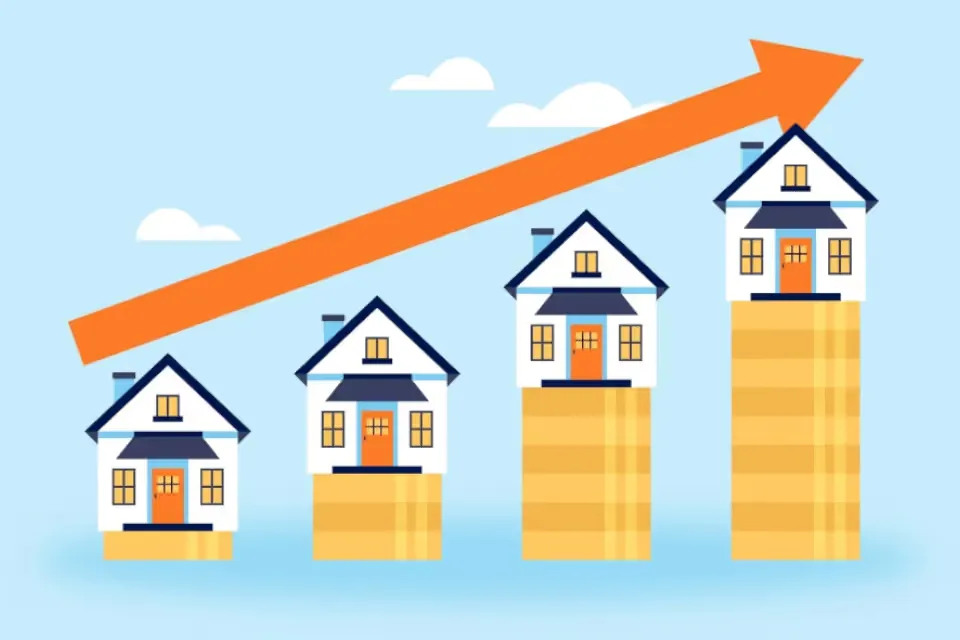
South Africa’s property market is gaining momentum as consumer confidence, mid-market demand and stronger household resilience support recovery in 2026

Buyers who wait for rate cuts could pay more as house prices rise, demand strengthens and first-time buyers push entry-level values higher across SA now

South Africa’s economy faces fuel, inflation and rate headwinds, but property holds firm on lending competition, limited supply and key long-term demand

Zero-deposit home loans are hitting record highs as banks approve more 100% and cost-inclusive bonds, helping buyers enter SA’s property market faster

Empty offices, hotels and warehouses are becoming urban property goldmines as adaptive reuse unlocks affordable housing and long-term rental income growth