






Why millions still keep their savings under the mattress
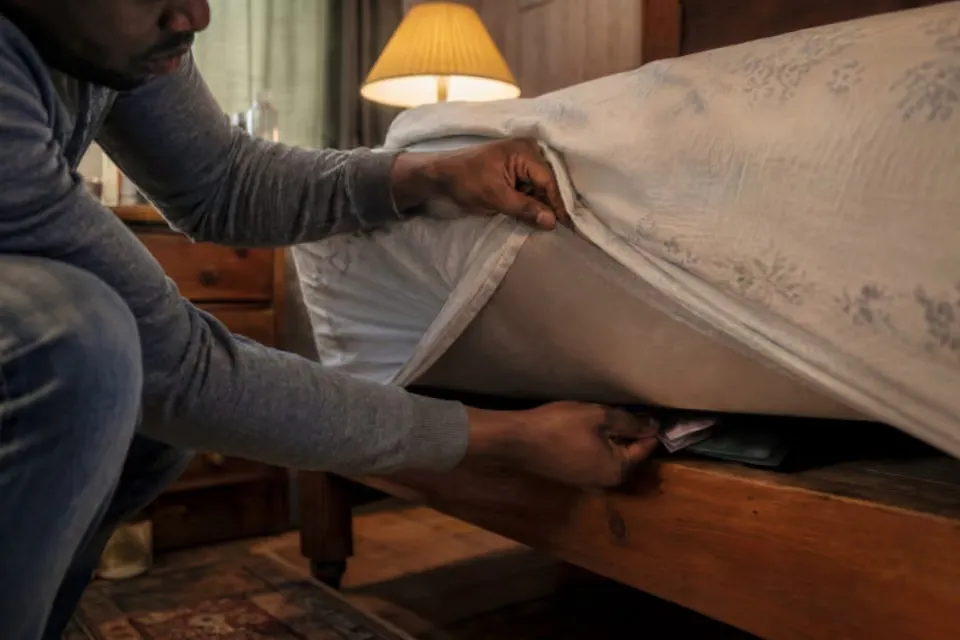
- Nearly half of South Africans still save cash at home despite growing access to formal banking services.
- Cash kept at home earns no interest, loses value to inflation and remains vulnerable to theft and disasters.
- Better savings habits can help households build wealth, improve affordability and strengthen future property-buying opportunities.
South Africa's hidden savings challenge
South Africa's savings culture is at a crossroads. Despite greater access to banking services than ever before, millions of South Africans continue to keep their savings in cash at home rather than in interest-bearing financial products that protect and grow their wealth.
The trend has significant implications, not only for household financial security, but also for long-term wealth creation, property ownership and financial resilience.
With National Savings Month approaching, financial experts say South Africans need to rethink how and where they save if they want to improve affordability, qualify for home loans and build lasting financial security.
A Multi-billion-Rand mattress economy
According to FinMark Trust's FinScope South Africa Survey and the World Bank Global Findex Database, an estimated 7.3 million South African adults remain unbanked, while almost half of consumers continue to keep at least part of their savings in cash at home.
The reasons are complex. For many households, saving at home offers immediate access, complete control and familiarity. Others remain wary of formal financial institutions or feel that traditional savings products do not meet their everyday needs.
However, keeping cash outside the banking system comes at a significant cost. Besides earning no interest, cash loses purchasing power through inflation and remains exposed to theft, fire, flooding and accidental loss.
According to Statistics South Africa, approximately 1.5 million burglaries were recorded between 2024 and 2025, highlighting the risks of storing money at home.
What it means for property buyers
For aspiring homeowners and property investors, saving habits can directly influence affordability and access to finance.
Banks assess a buyer's financial profile, savings discipline and ability to accumulate a deposit when evaluating home loan applications. Money sitting under a mattress generates no investment return and does little to strengthen a borrower's financial position.
Structured savings, by contrast, can help households accumulate deposits faster, reduce borrowing requirements and improve their chances of securing competitive home finance.
Why cash saving persists
According to Buli Ndlovu, Executive Head: Personal Private Banking at Nedbank, the continued reliance on cash reflects more than simple habit.
"Saving at home often comes from very real concerns around access, trust and control. But it can also leave people exposed and limit the ability of their money to grow. What we are seeing is a need to make formal saving work better for the realities people face every day."
While banks increasingly offer flexible savings products with immediate access to funds, no monthly maintenance fees and competitive interest rates, many consumers remain unaware of these options or continue to favour informal saving methods.
Building wealth starts with better saving
Financial experts argue that improving South Africa's savings culture is fundamental to building household wealth.
Whether the goal is buying a first home, investing in property, funding education or preparing for retirement, consistent saving remains one of the strongest foundations of long-term financial success.
Ndlovu says financial institutions have an important role to play by developing products that are simple, accessible and aligned with consumers' daily financial realities.
"Our purpose is to help South Africans see money differently and rethink the role it plays in their everyday lives. We continue to evolve savings solutions that balance easy access to funds with the ability to grow savings over time."
Move to structured savings
South Africa has made significant progress in expanding access to banking services, but access alone does not automatically translate into better financial outcomes.
Encouraging more households to move from informal cash saving to structured savings products could improve financial resilience, protect families against unexpected shocks and help more South Africans achieve major financial goals, including homeownership.
For property buyers, every rand that earns interest rather than gathering dust under a mattress is another step towards building a deposit, improving affordability and creating long-term wealth.
As economic pressures continue, the question is no longer whether South Africans should save, but whether their savings are working hard enough to secure their financial future.