









Stellenbosch student housing shortage keeps demand red hot
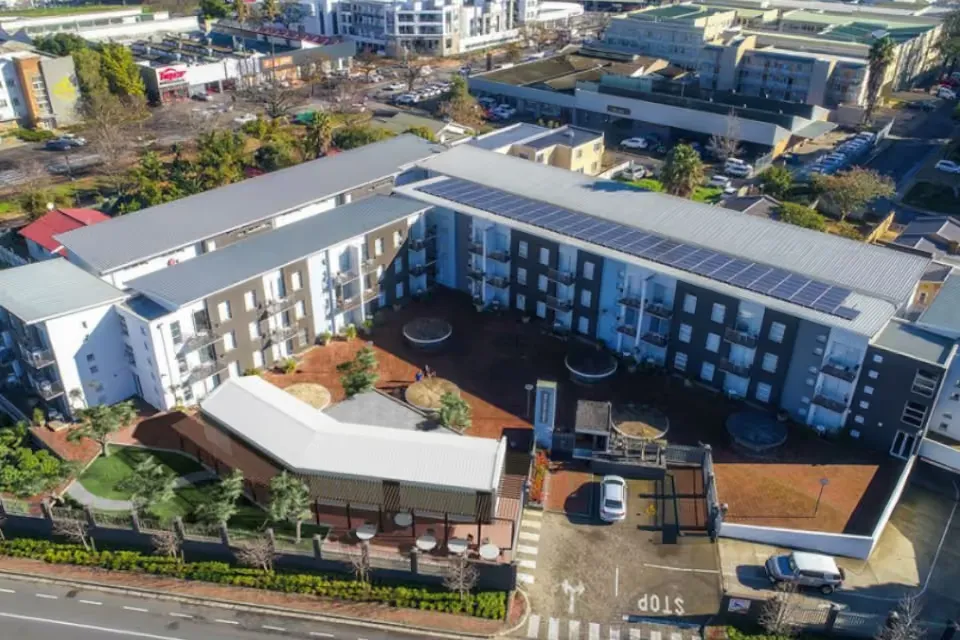
- Stellenbosch University houses about 7,500 of more than 30,000 students, pushing thousands into the private accommodation market each year.
- SA faces an estimated student housing shortfall of 500,000 to 780,000 beds, reinforcing demand in major university towns.
- Well-located, professionally managed accommodation is seeing sustained occupancy, rental growth and waiting lists well ahead of the academic year.
Structural shortage keeps Stellenbosch demand running hot
Stellenbosch's student accommodation shortage is showing little sign of easing, creating sustained demand for private rental housing and reinforcing student accommodation's position as one of the town's most resilient property segments.
Despite continued private-sector development and investment, the number of students requiring accommodation continues to significantly exceed available university beds.
Stellenbosch University accommodates approximately 7,500 students in its residences, against a total student population of more than 30,000. That leaves the majority of students dependent on private accommodation or other housing alternatives each year.
The imbalance mirrors a much bigger national problem. Industry estimates put South Africa's student accommodation deficit at between 500,000 and 780,000 beds, making purpose-built student accommodation one of the country's most undersupplied property sectors.
For Stellenbosch, however, the shortage is intensified by limited land availability, high property values, development costs and the continuing attraction of one of South Africa's leading university towns.
According to Ryan Flowers, Managing Director of Flyt Property Investment, the supply-demand imbalance has become a structural characteristic of the Stellenbosch market rather than a temporary phenomenon.
“Student accommodation demand in Stellenbosch is not cyclical or seasonal; it is structural. Each year, thousands of students enter the private rental market because university residences simply cannot accommodate everyone. While significant investment has flowed into the sector, demand continues to outpace supply.”
More students chasing limited accommodation
The numbers illustrate the scale of the opportunity and the challenge. With university residences able to accommodate only a fraction of the institution's student population, thousands of students must compete for private housing every academic year.
This supports consistently strong demand for accommodation, particularly properties within walking distance of campus, close to transport routes and offering the facilities increasingly expected by today's students.
Demand is also broader than the annual influx of first-year students.
Postgraduate, international and returning students all contribute to the market, while many students actively choose professionally managed private accommodation over conventional university residences.
“The student accommodation market has matured considerably over the past decade,” says Flowers. “Students today place a high value on factors such as safety, reliable connectivity, study facilities and convenience. Accommodation providers have had to adapt to these changing expectations while operating in an environment where demand remains exceptionally strong.”
That shift is helping differentiate professionally managed student accommodation from traditional rooms, flats and houses rented informally to students.
Occupancy and rental growth reflect the pressure
The persistent shortage is translating into high occupancy and steady rental growth for well-positioned student accommodation.
Industry data indicates that quality accommodation in sought-after Stellenbosch locations continues to perform strongly, supported by constrained supply and a recurring pool of students requiring housing.
Flyt has experienced these dynamics through its Stellenbosch presence, where WINK Aparthotels operates professionally managed student accommodation. According to Derick Tait, Managing Director of WINK Aparthotels, the depth of demand is evident in the day-to-day performance of the market.
“What we're seeing on the ground is sustained demand rather than seasonal spikes. Once students find quality accommodation in a good location, they tend to stay for the duration of their studies, and we're seeing rental growth that reflects that continued demand.”
Perhaps even more telling is how early the search for accommodation begins. “It's not unusual for prospective tenants to join waiting lists well before the start of the academic year, which shows just how much pressure the market for quality, professionally managed student accommodation in Stellenbosch remains under,” says Tait.
Stellenbosch's appeal extends beyond the university
Student numbers are only one part of the town's property story. Stellenbosch remains one of South Africa's premier education centres while offering a combination of historic character, café culture, outdoor amenities and proximity to the Cape Winelands.
Its broader residential market has also benefited from sustained Western Cape demand and semigration. Residential property values have recorded steady growth in recent years, supported by population growth, limited land availability and persistent demand.
For student accommodation investors and developers, however, the university creates an additional and recurring source of rental demand that distinguishes Stellenbosch from conventional residential markets.
The central investment consideration is therefore not simply whether there is demand for beds, but where new accommodation can be developed, at what cost and whether it meets increasingly sophisticated student requirements.
Why supply isn't catching up
Private investment has added student accommodation to the Stellenbosch market, but delivering enough new beds to materially close the gap remains difficult.
Land availability is constrained, development costs are high and planning and development approvals take time. At the same time, student demand continues.
Flowers believes this means the accommodation shortage is unlikely to disappear soon. “The question is no longer whether Stellenbosch needs additional student accommodation. The question is how quickly new supply can be delivered to keep pace with demand.”
“Universities continue to attract growing numbers of students, but accommodation delivery remains constrained by factors such as land availability, development costs and planning timelines.”
And while individual private developments can help increase capacity, no single project can solve the much broader shortage facing Stellenbosch or South Africa's other major university towns.
Student housing remains a resilient property segment
The underlying Stellenbosch equation remains compelling: a university population exceeding 30,000 students, approximately 7,500 university-provided beds and thousands of students dependent on private accommodation.
Add South Africa's estimated national shortage of 500,000 to 780,000 student beds, and the scale of the structural supply problem becomes clear.
For investors and developers, that doesn't mean every student accommodation project will automatically succeed. Location, affordability, management quality, security, connectivity and proximity to campus remain critical to performance.
But the fundamental demand driver remains firmly in place. “As long as Stellenbosch remains one of the country's leading university destinations, demand for quality student accommodation is expected to remain a defining feature of the local property market,” says Flowers.
With new supply constrained and student requirements continuing to evolve, well-located and professionally managed student accommodation looks set to remain one of Stellenbosch's most closely watched residential investment segments.