








Steven Brown’s challenge: Back SA property at home
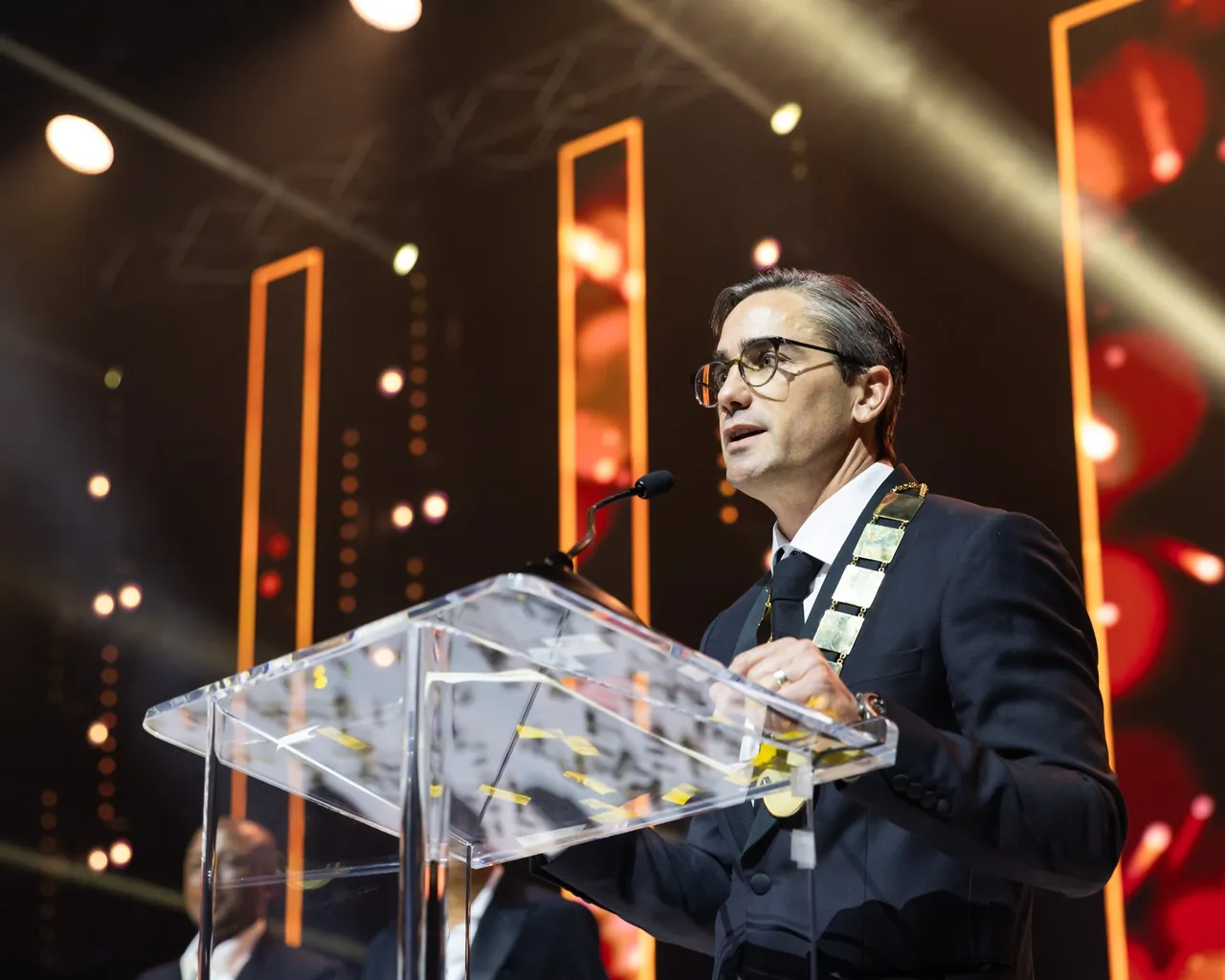
Fortress CEO Steven Brown takes the helm of SAPOA for the next two years with a challenge to government and property leaders: unlock local investment, fix municipalities and rebuild confidence in South Africa.
- Fortress CEO Steven Brown has succeeded Itumeleng Mothibeli as SAPOA president, beginning a two-year term following its 60th anniversary convention.
- Brown wants government to prioritise local direct investment, arguing foreign capital will follow when South Africans demonstrate confidence by investing first.
- Municipal dysfunction, infrastructure failures and excessive property costs must be confronted if South Africa wants to accelerate development and economic growth.
A new president for a new property cycle
South Africa’s commercial property industry has a new leader and he is taking the reins with a direct challenge to both government and the private sector.
Steven Brown, CEO of Fortress Real Estate Investments, has been appointed president of the South African Property Owners Association (SAPOA), succeeding outgoing president Itumeleng Mothibeli.
Brown formally took over at the conclusion of SAPOA’s milestone 60th anniversary convention at Sun City, which brought together some of the country’s most influential property owners, developers, investors, financiers and built-environment professionals.
Following a change to SAPOA’s constitution, Brown becomes the organisation’s second president to serve a two-year term, rather than the previous one-year tenure.
It gives him a significant window in which to influence the industry’s relationship with government at an important point in South Africa’s property cycle. And Brown wasted little time identifying one of his priorities.
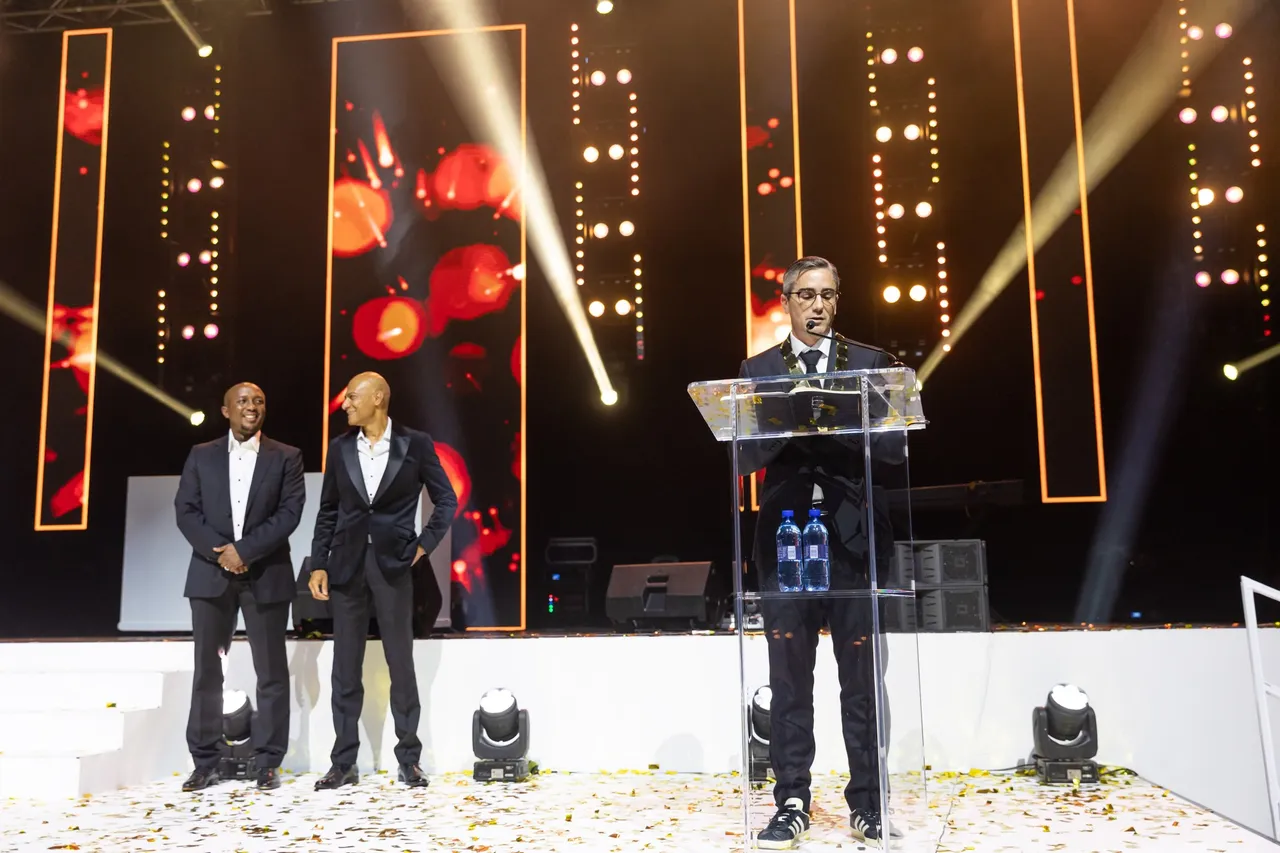
Brown’s challenge: South Africa must invest in itself
One of the strongest messages from Brown’s inaugural address was that South Africa cannot expect international investors to provide the capital required to rebuild the country if domestic investors themselves remain reluctant to commit.
His argument is simple: local investment needs to lead foreign investment. “We need to incentivise government to focus more on local direct investment, rather than on FDI.”
Brown argued that attempts to attract capital from global centres such as Dubai, China and Singapore become considerably harder when foreign investors don’t see South African businesses investing substantially in their own country. It is an important challenge for the property industry.
South Africa needs capital for new housing, logistics facilities, offices, shopping centres, data centres, renewable energy infrastructure and urban regeneration. But investment follows confidence.
And confidence depends on investors believing that the environment in which they deploy capital will allow them to generate sustainable returns.
Five issues Brown’s presidency puts firmly on the agenda
Brown’s comments point towards a wider challenge for SAPOA and its members over the next two years:
- Unlock local investment: Create conditions that encourage South African institutions, developers and businesses to deploy more capital domestically.
- Fix municipal performance: Poor governance, infrastructure failures and financial mismanagement increasingly affect property values and investment decisions.
- Hold government accountable: SAPOA intends to continue engaging regulators and municipalities while challenging incompetence and corruption.
- Reduce barriers to development: Faster approvals, functioning infrastructure and predictable regulation are essential to turn investment appetite into actual development.
- Rebuild confidence: Stronger domestic investment can become an important signal to international capital that South Africa is investable again.
These aren’t abstract issues. They influence virtually every property feasibility.
Municipalities could be the battleground
Perhaps the biggest immediate challenge facing commercial property owners is at municipal level. SAPOA has been increasingly vocal about failing infrastructure, above-inflation increases in rates and taxes, governance weaknesses and the declining quality of municipal services.
The scale of the problem is significant. Outgoing president Itumeleng Mothibeli said during the convention period that SAPOA represents around 90% of commercial property owners nationally, operating across the country’s 257 municipalities, yet only around 15% of municipalities have unqualified audits with no findings.
Commercial property owners are frequently forced to supplement municipal services themselves, investing in alternative electricity, water resilience, security and infrastructure, while simultaneously facing rising municipal charges.
SAPOA is also preparing another legal challenge over municipal property charges, after previously opposing the City of Cape Town’s use of property values in calculating certain fixed charges and tariffs.
For Brown, engagement needs to remain constructive, but not passive.
He called on the industry to engage regulators and local government respectfully while still being prepared to call out incompetence and corruption and hold authorities accountable. That could become one of the defining themes of his presidency.
From property recovery to property investment
Brown takes over SAPOA at an interesting time. The industry conversation at Sun City was noticeably different from the defensive discussions that dominated property during and immediately after the pandemic.
Balance sheets have strengthened across much of the listed sector. Leasing fundamentals have improved in several segments. Logistics remains highly sought after, retail has proved remarkably resilient and parts of the office market are finding a new equilibrium.
SAPOA’s convention discussions reflected that changing mood, with industry leaders focusing on stronger balance sheets, resilient buildings and disciplined investment, while stressing that performance remains highly dependent on sector and location.
But a recovery in listed property prices and distributions is only part of the story. The bigger test is whether renewed confidence translates into new bricks-and-mortar investment. That is where Brown’s focus on local direct investment becomes particularly relevant.
Brown brings an investor’s perspective
Brown’s own career gives him an unusually relevant perspective on that challenge. He became Fortress CEO in 2019 and subsequently led the company through one of the more difficult corporate restructurings in South Africa’s listed property sector.
Fortress ultimately simplified its dual-share structure, strengthened its balance sheet and repositioned its capital allocation strategy. Today, logistics is a major component of the business, alongside commuter and convenience retail, while Fortress has also expanded its exposure into Central and Eastern Europe. That experience matters.
SAPOA’s next two years will require more than advocacy. The organisation will need to help bridge the gap between policy and investment feasibility.
Property capital will flow where investors can obtain approvals, access infrastructure, operate efficiently and earn risk-adjusted returns. Where those fundamentals deteriorate, capital can move elsewhere.
What should success look like after two years?
The real measure of Brown’s SAPOA presidency won’t simply be the number of engagements held with government. The industry should be looking for tangible progress.
- Can development approvals become easier and faster?
- Can municipalities improve basic service delivery?
- Can property owners get greater certainty around rates, taxes and infrastructure?
- Can public and private capital work together more effectively?
- Can domestic institutions be encouraged to increase investment in South African real estate and infrastructure?
- And, critically, can South Africa convert renewed confidence into new development, construction and jobs?
Those are all difficult objectives. But they are precisely the issues that will determine whether the current property recovery develops into a sustainable investment cycle.
The REI take: confidence starts at home
Brown’s appointment comes at an appropriate moment. South African property has survived an extraordinarily difficult cycle encompassing the pandemic, rising interest rates, loadshedding, municipal deterioration, weak economic growth and political uncertainty.
Yet the sector has continued investing. The next challenge is different. It is about moving from resilience to growth. Government has a central role to play by creating predictable regulation, functioning infrastructure and capable municipalities.
But Brown is also putting responsibility back onto the property industry. If South Africa’s own investors, developers and institutions are unwilling to invest confidently in the country, it becomes difficult to persuade international capital to do so. Conversely, if domestic capital starts moving decisively again, it sends a powerful message. South Africa believes in its own future.
Congratulations to Steven Brown on his appointment as SAPOA president. His two-year term begins with an ambitious challenge; not simply to represent the property industry, but to help create the conditions in which it can invest again.
And if South Africa wants a genuine property comeback, that investment needs to start at home.