







Zoom towns surge as lifestyle beats city living
- Secondary towns are outperforming metros as buyers prioritise lifestyle, space, and affordability
- Remote work is unlocking demand in coastal, Winelands and regional hubs
- Strong infrastructure and governance are accelerating long-term growth
Zoom Towns: The rise of South Africa’s new property hotspots
From the West Coast to the Winelands and along the Garden Route, South Africa’s so-called “Zoom towns” are rapidly transforming into full-blown property boom zones.
Once considered secondary markets, towns like Paarl, George, Ballito and Malmesbury are now attracting sustained demand from buyers seeking a better balance between lifestyle, affordability and flexibility.
As Bradd Bendall, head of sales at Betterbond explains: “Secondary towns… offer established infrastructure, employment opportunities and a desirable lifestyle offering.”
What started as a pandemic-driven shift has evolved into a structural trend.
Buyers are no longer asking, “Where do I need to live?”
They’re asking, “Where do I want to live?”
And increasingly, the answer is outside the major metros.
Affordability: More value, more space, more flexibility
At the heart of this shift is one simple factor, value for money.
In secondary towns, buyers can secure:
- Larger homes
- Bigger plots
- Estate living
All at price points that would only afford a smaller apartment in a major city. This has opened the door for young families, multigenerational living, lifestyle-driven buyers.
In areas like George, Paarl and the West Coast, buyers are trading density for space, without sacrificing quality.
And in many cases, they’re upgrading their lifestyle while reducing their financial pressure.
Economic buffer in uncertain times
In a volatile global environment, affordability is more than a convenience, it’s a buffer.
Rising fuel costs, inflation pressures and global instability are reshaping household decisions. For many, relocating to a smaller town reduces:
- Monthly expenses
- Commuting costs
- Greater financial resilience
Bendall highlights the practicality of this shift: “Most of these towns offer a ‘15-minute lifestyle’ with essential amenities within close proximity.”
In uncertain times, proximity and efficiency becomes strategy.
Remote work: The game-changer
The real catalyst behind the Zoom town boom is remote working.
What began as a necessity has become a permanent shift in how people work and live. Buyers are no longer tied to:
- Office locations
- Daily commutes
- Urban centres
Instead, they are choosing:
- Coastal living
- Countryside environments
- Lifestyle-driven locations
Towns like Riebeek-Kasteel, Darling and Yzerfontein are seeing increased demand as buyers convert holiday homes into permanent residences.
The result? A redistribution of demand across the country, away from traditional metros and into high-quality regional hubs.
Lifestyle: The new currency in property
Beyond affordability and flexibility, lifestyle has become a defining driver. Buyers are prioritising:
- Natural surroundings
- Safety and community
- Outdoor living
- Access to quality schools and healthcare
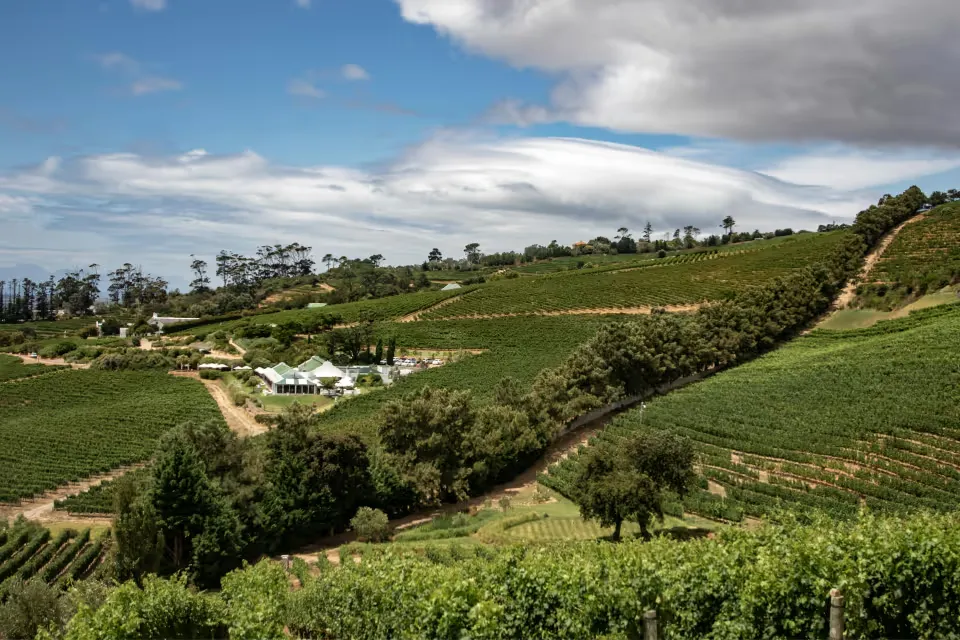
The Cape Winelands, for example, offers:
- World-class wine estates
- Scenic landscapes
- Strong education and innovation hubs
Similarly, the Garden Route and KZN North Coast combine coastal living with modern infrastructure and connectivity. This is no longer a trade-off. It’s an upgrade.
Infrastructure and Growth: The backbone of demand
The growth of these towns is not accidental. It is supported by:
- Improving infrastructure
- Strong municipal performance in key regions
- Increased private sector investment
According to LOOM, regions like the West Coast are among the fastest growing in the country, with towns such as Laaiplek recording growth of over 30%.
George also continues to benefit from:
- A regional airport
- Healthcare facilities
- Education and business opportunities
In regions like Limpopo’s Polokwane and KZN’s Ballito, infrastructure investment is directly translating into property demand. This is what turns a “Zoom town” into a sustainable growth node.
A structural shift, not a trend
The rise of Zoom towns is not a short-term reaction. It is a structural reset in how South Africans approach property.
- Remote work becomes permanent
- Cost pressures persist
- Lifestyle priorities evolve
Secondary towns will continue to attract:
- Buyers
- Investors
- Developers
The implication is clear: There is no longer one property market.
There are multiple micro-markets and the winners will be those who understand where the demand is shifting.
Zoom towns have moved from fringe to front and centre.
They offer better value, better lifestyle and better long-term positioning.
In a market where flexibility and affordability are driving decisions: Smaller towns are no longer the alternative. They are becoming the priority.