








Why now could be the right time to buy property
Listen · 1-minute summary
0:00 / 1:19
Read the summary
Why now could be the right time to buy property. Despite higher interest rates and rising living costs, competitive bank lending, lower deposits and new buyer incentives are opening doors for financially prepared South Africans. Average property prices rose 4.6 percent to R1.75 million in 2026, while first-time buyers paid an average R1.29 million, according to ooba. Deposits are easing too, down to 12.8 percent overall and 8.5 percent for first-time buyers, with 83.1 percent of zero-deposit applications approved. Rhys Dyer, CEO of the ooba Group, says, "For many South Africans, owning a home is about far more than having a roof over your head. It is about taking ownership of your financial future and having something of value to pass on to the next generation." Buyers can also tap transfer duty relief, developer incentives and government subsidies like First Home Finance. The real takeaway is that the right time to buy isn't about guessing interest rate movements, but about affordability, suitability and long-term financial resilience. Read the full story by Neale Petersen on rei.co.za.
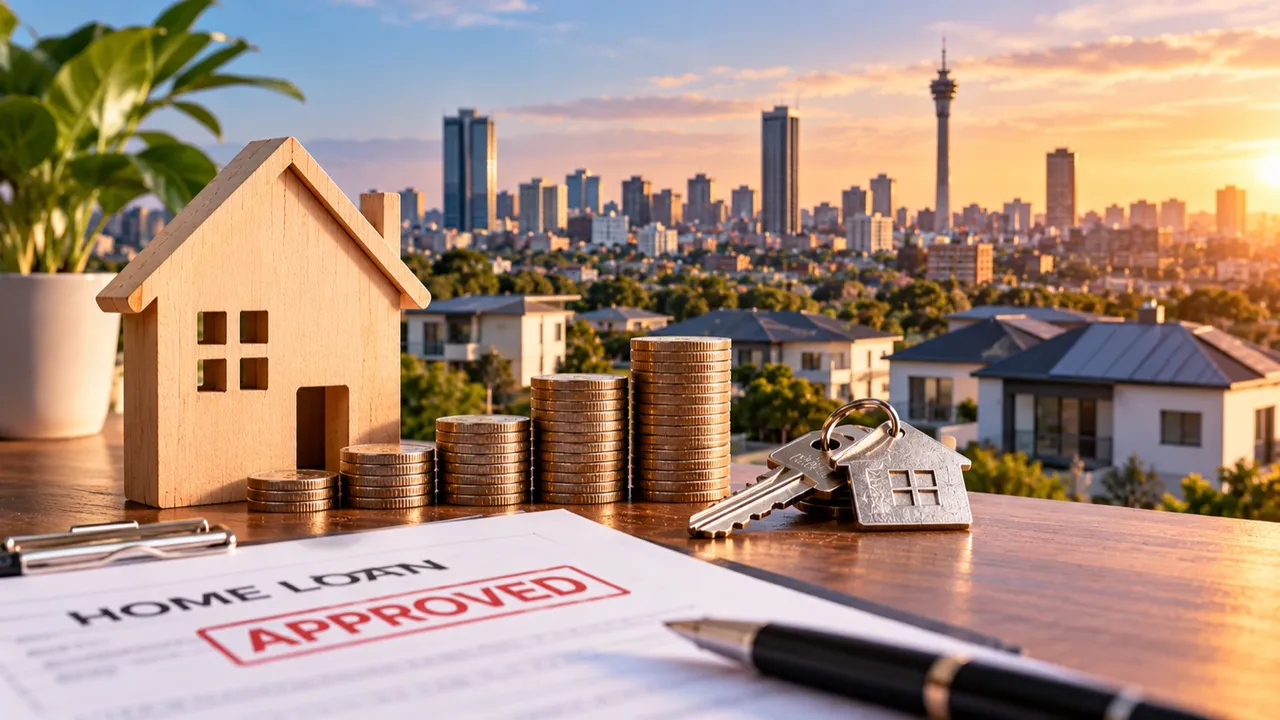
Despite higher interest rates and rising living costs, competitive bank lending, lower deposit requirements and new buyer incentives are creating opportunities for financially prepared South Africans.
- Average property prices rose 4.6% to R1.75 million in 2026, while first-time buyers paid an average R1.29 million, according to ooba.
- Banks remain competitive, with average deposits declining and 83.1% of zero-deposit home loan applications approved through ooba Home Loans.
- First-time buyers can benefit from financing incentives, government subsidies and negotiating opportunities, provided they can comfortably afford long-term ownership costs.
Is waiting to buy property costing South Africans opportunities?
With living costs rising, interest rates under pressure and economic uncertainty weighing on household finances, many prospective South African homebuyers are questioning whether now is the right time to enter the property market.
But waiting for the perfect market conditions could mean overlooking opportunities already available to financially prepared buyers.

According to Rhys Dyer, CEO of the ooba Group, homeownership should be viewed as a long-term wealth-building decision rather than a short-term bet on interest rate movements.
"For many South Africans, owning a home is about far more than having a roof over your head. It is about taking ownership of your financial future and having something of value to pass on to the next generation," says Dyer.
Research from Lightstone indicates that seven out of ten South African homeowners will only ever own one property, highlighting the importance of making that purchase count.
Despite a more challenging lending environment, ooba Home Loans' January - September 2026 figures suggest that qualified buyers continue to find opportunities.
Key property market indicators:
- Average purchase price: R1.75 million, up 4.6% year-on-year.
- Average first-time buyer purchase price: R1.29 million, up 4.2%.
- Average homebuyer deposit: 12.8%, down from 14.7% a year earlier.
- Average first-time buyer deposit: 8.5%, down from 9.6%.
"This points to encouraging levels of activity despite homebuyers now navigating a higher interest rate environment," says Dyer.
1. Buyers still have room to negotiate
While property market conditions differ between regions, buyers in many locations retain negotiating power, particularly where sellers face competition or properties remain on the market for extended periods.
This creates opportunities to negotiate not only the purchase price but also certain transaction costs.
Where buyers could save:
- Purchase price: Compare similar properties and recent sales before submitting an offer.
- New developments: Buying directly from a VAT-registered developer generally means VAT is included in the selling price, with no separate transfer duty payable.
- Transfer duty relief: Properties valued at R1.21 million or less currently attract no transfer duty.
- Developer incentives: Some developments offer contributions towards legal fees, bond registration costs or other purchasing expenses.
"Upfront costs can be one of the biggest hurdles to homeownership, particularly for first-time homebuyers, so these savings can make a meaningful difference," Dyer explains.
However, buyers should assess the total acquisition cost, including bond registration, moving expenses and ongoing ownership commitments.
2. Banks are competing for home loan business
One of the strongest arguments for financially prepared buyers entering the market is continued competition between mortgage lenders.
According to ooba Home Loans, customers secured an average interest rate of prime less 0.83 percentage points in September 2026.
"Interest rates matter, but so does the rate you actually secure from the bank," says Dyer.
"Even a small discount can make a difference to your monthly repayments and the total cost of your home loan, which is why it pays to compare offers."
What ooba's lending data reveals:
- Average deposits declined in seven of South Africa's nine regions during the first nine months of 2026.
- First-time buyers contributed an average deposit of just 8.5%.
- 56.8% of home loan applications were for zero-deposit finance.
- The reported approval rate for zero-deposit applications reached 83.1%.
Qualifying applicants may secure 100% financing, while selected buyers could qualify for cost-inclusive loans of up to 110%, subject to bank lending criteria.
These figures reflect ooba's application experience rather than approval rates across the entire South African mortgage market.
3. First-time buyers can access additional support
Beyond conventional mortgage finance, qualifying first-time buyers may benefit from government assistance and incentives linked to sustainable residential developments.
Available opportunities include:
- First Home Finance: A once-off government housing subsidy for qualifying households earning between R3,501 and R22,000 per month.
- Green home incentives: Selected banks offer interest rate discounts or rebates for qualifying EDGE-certified developments.
- Lower utility costs: Energy- and water-efficient homes can reduce operating expenses, although actual savings depend on consumption and building performance.
- Developer packages: Certain projects offer reduced upfront costs or financial incentives.
EDGE, or Excellence in Design for Greater Efficiencies, is an internationally recognised green building certification system that assesses resource efficiency.
"Don't assume a home is beyond your reach before doing the homework. Find out what assistance you qualify for, understand what you can afford and compare the finance options available to you," Dyer advises.
Government subsidies remain subject to eligibility criteria, including citizenship or permanent residency and previous housing subsidy benefits.
4. Property ownership is a long-term investment
Trying to predict the perfect moment to buy can be difficult, particularly when interest rates, inflation and economic conditions continue to change.
Dyer argues that buyers should instead focus on affordability, the suitability of the property and their intended ownership period.
"The real value of homeownership is built over time," he says. "You are gradually paying down an asset that is yours; one that can provide security for your family and potentially be passed on through generations."
For owner-occupiers, mortgage repayments can progressively build equity as the outstanding loan balance declines.
For investors, the fundamentals are different: rental demand, net yields, vacancies, financing costs and capital expenditure must support the investment decision.
Property values can also decline, making a realistic holding period and adequate financial reserves essential.
Who should consider buying now?
The current market may offer opportunities for several categories of purchasers.
- First-time buyers: Those with stable employment, manageable debt and sufficient financial reserves.
- Long-term homeowners: Families purchasing properties that meet their needs for several years.
- Buy-to-let investors: Buyers targeting established rental markets with sustainable yields and tenant demand.
- Upsizing households: Existing owners able to negotiate favourable purchases without overextending themselves.
Buyers facing employment uncertainty, excessive debt or tight monthly budgets should remain cautious.
Prequalification: The first step before buying
Before beginning a property search, Dyer recommends establishing a realistic affordability range.
From January to September 2026, 91% of ooba Home Loans' prequalified customers who subsequently applied for mortgage finance received approval.
Prequalification does not guarantee a home loan, but it helps buyers understand their borrowing capacity and strengthens their position when negotiating.
Before making an offer, consider:
- Can you comfortably afford repayments if interest rates increase?
- Have you budgeted for rates, levies, insurance and maintenance?
- Do you have emergency savings?
- Are you purchasing at a price supported by comparable property sales?
- Will the property meet your financial and lifestyle needs over the longer term?
The bottom line: Buy when the numbers work
South Africa's property market continues to present opportunities, but buying should be driven by financial readiness rather than fear of missing out.
Competitive bank lending, reduced deposit requirements and first-time buyer incentives are encouraging developments. Nevertheless, affordability, employment stability and long-term financial resilience remain decisive.
As Dyer concludes: "There will never be a property market without uncertainty but as it stands the banks are competing, financing remains accessible for qualifying homebuyers, deposits have eased in many regions and first-time homebuyers have access to additional support."
For homebuyers and investors, the message is clear: the right time to purchase property is not necessarily when interest rates reach their lowest point, but when the property, price, financing and long-term affordability all make financial sense.
Source: ooba Group and ooba Home Loans, January–September 2026; Lightstone Property research.