








Why community is becoming rental property's secret weapon
Listen · 1-minute summary
0:00 / 1:21
Read the summary
Why community is becoming rental property's secret weapon. South Africa's institutional rental sector, worth more than R72 billion and made up of over 75,000 units, is discovering that belonging can be as powerful as location or price. Operators like Divercity, Africrest and Houss Rentals are turning shared spaces and events into tools for keeping tenants longer. Divercity's Jacolien Botha says, "Every time we run an event, whether it is a games night, a poolside gathering, or a sports screening, the response tells us that people are hungry for connection in a way the rental sector has historically underestimated." Africrest designs estates so neighbours actually interact, while Houss Rentals offers free padel courts, R14 coffees and on-site convenience stores, creating what it calls a fully serviced urban village. The thinking is simple: residents who feel supported stay longer, refer friends, and need less turnover spending. That could mean steadier income and stronger occupancy for investors. The real test is whether these community investments consistently pay off at scale. Read the full story by Neale Petersen on rei.co.za.
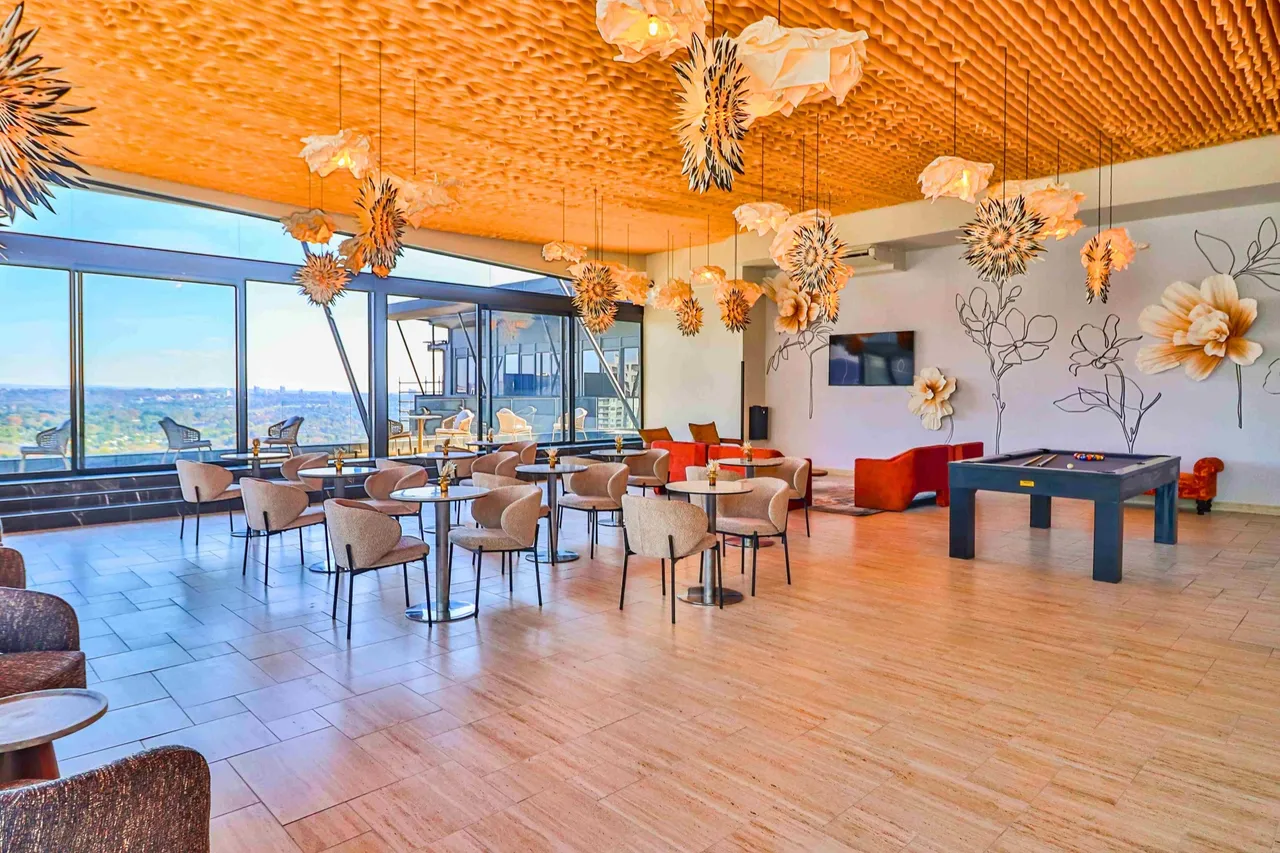
South Africa's R72 billion-plus institutional rental sector is discovering that community, connection and belonging can be powerful drivers of tenant retention, occupancy and long-term investment performance.
- SAMRRA members manage more than 75,000 rental units worth over R72 billion, highlighting the growing scale of institutional residential investment.
- Divercity, Africrest and Houss are turning shared spaces, lifestyle amenities and resident events into competitive advantages.
- Stronger communities can improve tenant retention, encourage referrals and reduce vacancies, creating potential benefits for residents and property investors.
Beyond four walls: The rise of community-led rentals
South Africa's rental housing market is undergoing a fundamental shift. For a growing number of urban tenants, choosing a home is no longer simply about location, affordability, security or the quality of the apartment. It is increasingly about belonging.
As young professionals and working families relocate to major cities, many leave behind established family networks and familiar communities. They arrive seeking employment, independence and opportunity, but often face the isolation associated with modern urban living.
Institutional multifamily rental operators are responding by creating residential environments where community is part of the product.
From organised social events and shared recreational facilities to neighbourhood-style convenience services, developers are recognising that the most valuable amenity may not be a swimming pool or gym, but the opportunity to connect with others.
For property investors, this introduces an important question: Can stronger communities deliver stronger rental investment performance?
A R72bn sector redefining residential investment
The South African Multifamily Residential Rental Association (SAMRRA) represents institutional landlords and professional operators in the purpose-built rental housing sector.
Its members collectively manage:
- More than 75,000 residential rental units.
- Approximately 550 properties and developments.
- A portfolio valued at more than R72 billion.
Unlike traditional buy-to-let properties, institutional multifamily developments are designed specifically for long-term rental occupation, with professional management, shared facilities and economies of scale.
These developments generate recurring rental income while giving operators greater control over maintenance, service delivery and the overall resident experience.
Palesa Mkhize, CEO of SAMRRA, believes successful rental housing must deliver more than accommodation.
"Housing that works is housing where people feel at home. That starts with a well-maintained unit, but also means neighbours who look out for each other, spaces that bring people together, and a management model that treats residents as members of a community rather than co-parties to a contract."
For Mkhize, the sector's social contribution and its commercial sustainability are closely connected. "That is what our members are building, and it matters far beyond the balance sheet."
Divercity: Turning social connection into tenant loyalty
For Divercity Urban Property Group and Ithemba Property Management, organised community activities have become an important component of the rental experience.
Resident gatherings, games evenings, sports screenings and poolside events provide opportunities for tenants to build relationships beyond their apartments.

Jacolien Botha, Marketing Manager at Divercity Urban Property Group and Ithemba Property Management, says the response demonstrates how strongly residents value meaningful social interaction.
"Every time we run an event, whether it is a games night, a poolside gathering, or a sports screening, the response tells us that people are hungry for connection in a way the rental sector has historically underestimated."
The investment implications include:
- Greater resident engagement and satisfaction.
- Stronger relationships between tenants and property management.
- Potential improvements in lease renewals and tenant referrals.
- Reduced turnover costs when residents remain longer.
"Residents who attend events, who use shared spaces, who feel their building responds when something goes wrong, stay and tell their friends," says Botha. "The data reflects that, but the data is the outcome, not the cause. The cause is community."
Africrest: Designing estates for human connection
At Africrest, community is incorporated into both the physical design and daily management of residential developments. Rather than relying exclusively on organised events, the operator creates communal environments intended to encourage natural interaction between residents.

Justin Blend, Director of Africrest, says intentional community-building distinguishes its estates from conventional apartment buildings. "In most urban rental environments, people live in the same building for years and do not know the person next door."
"In our estates, that changes, because we curate the community intentionally."
Africrest's approach focuses on:
- Shared spaces that encourage everyday interaction.
- Resident engagement and responsive property management.
- Creating a sense of safety and familiarity.
- Developing residential environments that support long-term occupancy.
Blend says residents frequently place greater value on service, safety and community than on individual lifestyle facilities.
"When you ask a resident why they are renewing, they rarely cite the gym or a pool." "They cite the fact that when they had a problem, someone came. They cite the fact that they feel safe; not because of a gate, but because of the community around them."
For investors, the significance lies in potentially reducing tenant turnover and maintaining stable rental income.
Houss Rentals: Creating fully serviced urban villages
Houss Rentals is taking community-led development further by transforming traditional residential clubhouses into integrated lifestyle hubs.
The objective is to create convenient, socially active neighbourhoods where residents can access everyday services and recreational opportunities within their estates.
Key features include:
- Restaurants and social dining spaces.
- Express coffee outlets offering R14 coffees.
- On-site convenience stores.
- Free-to-resident padel courts.
- Organised tournaments, workshops and community activities.

Martin O'Connell, Head of Marketing at Houss Rentals, says the strategy is designed to create meaningful resident engagement rather than simply provide attractive facilities.
"We made the strategic decision to provide Padel as a free amenity with regular tournaments and workshops at no charge, fostering a genuine sense of community rather than just providing a facility."
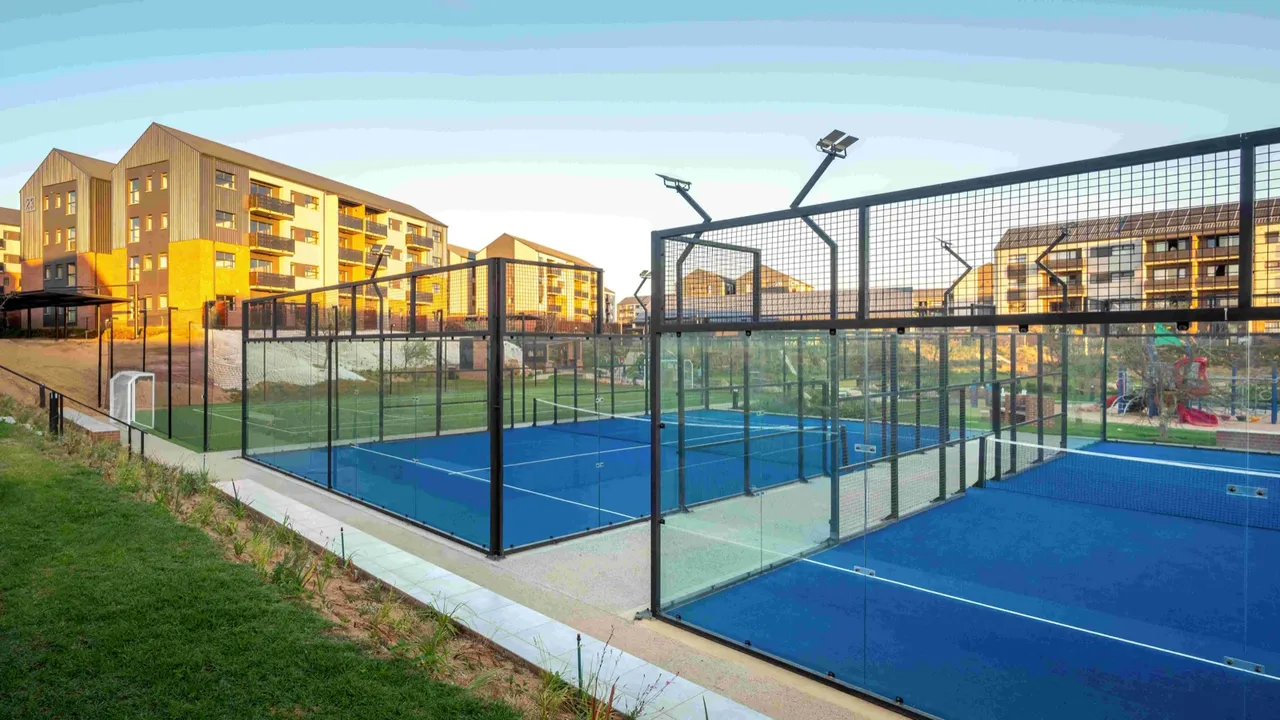
"We aren't just giving tenants a place to sleep; we are providing a fully serviced urban village."
This approach also reflects changing tenant expectations, particularly among residents seeking convenience, lifestyle experiences and opportunities for social interaction.
Why community matters to property investors
While lifestyle amenities have traditionally been regarded as marketing tools, institutional rental operators are increasingly positioning community engagement as an operational strategy. For investors, the potential benefits extend beyond tenant satisfaction.
Five investment considerations stand out:
- Tenant retention: Longer occupancies can reduce letting commissions, vacancy periods and refurbishment costs.
- Rental stability: Lower turnover may support more predictable recurring income.
- Organic referrals: Satisfied residents can become an additional source of tenant enquiries.
- Competitive positioning: A strong resident experience can differentiate properties in crowded rental markets.
- Asset resilience: Well-managed communities may help developments remain attractive through changing market conditions.
However, these benefits must be weighed against the cost of amenities, events, staffing and maintenance.
Operators still need to demonstrate that improved occupancy, retention and rental performance justify the additional investment. The examples provided illustrate the strategy, rather than establishing a quantified sector-wide financial return.
The bottom line: Building communities creates value
As South Africa's cities expand and rental demand evolves, institutional multifamily housing is increasingly being judged by more than unit numbers, rental yields and location.
The experience of living in a development is becoming part of its competitive advantage. Divercity demonstrates the value of resident engagement, Africrest highlights the importance of intentional design and responsive management, while Houss Rentals is developing integrated lifestyle environments.
Together, their approaches point towards a rental model that combines professionally managed housing with a stronger sense of community.
For investors, the opportunity is to translate that resident experience into higher retention, sustainable occupancy and more resilient long-term rental income. For tenants, the benefit is more personal: a place where they can feel connected, supported and genuinely at home.
The future of successful multifamily rental property may depend not only on the buildings investors develop, but on the communities they create within them.
Source: South African Multifamily Residential Rental Association (SAMRRA), Divercity Urban Property Group, Ithemba Property Management, Africrest and Houss Rentals.