








West Coast property boom: Beyond the holiday home
Listen · 1-minute summary
0:00 / 1:25
Read the summary
West Coast property boom: Beyond the holiday home. Towns along the Cape West Coast are changing from holiday and retirement spots into permanent residential communities. Between 2020 and 2025, the average registered selling price in Yzerfontein rose 141 percent, from R1.33m to R3.20m. Grotto Bay climbed 104 percent, and Velddrif 75 percent. The article cautions that these figures reflect the mix of properties sold, not like-for-like growth. In the first half of 2026, Langebaan recorded 210 residential sales worth R574.15 million. Average freehold prices there rose 27.5 percent between 2024 and the first half of 2026. Lightstone research shows just over half of West Coast buyers are under the age of 50. Craig Scott, CEO and developer of Langebaan Country Estate, says: "Langebaan is no longer simply somewhere people come for holidays or weekends." The article urges investors to look beyond rising prices to infrastructure, rental demand and development pipelines. Read the full story by Neale Petersen on rei.co.za.
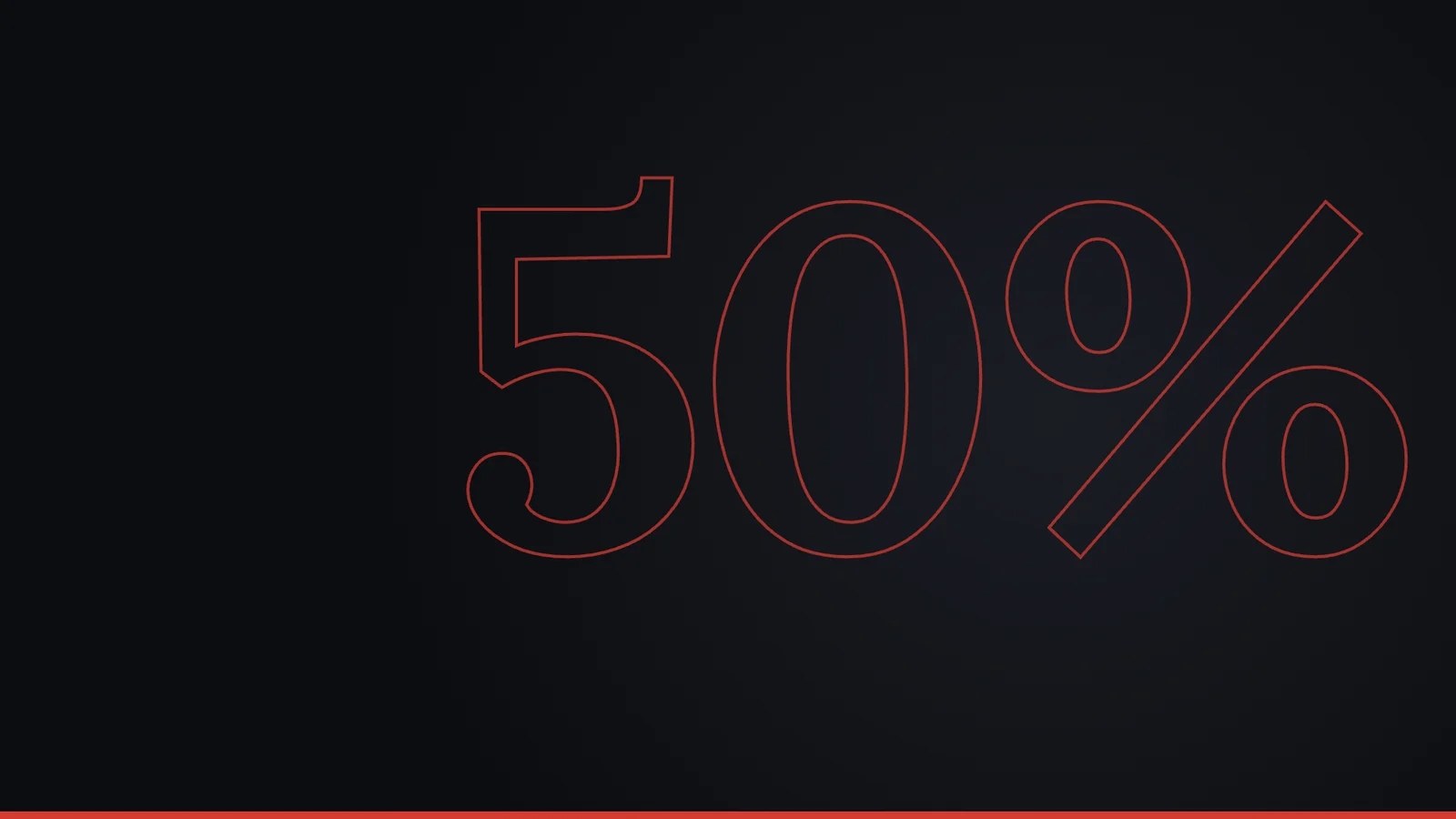
- Average registered selling prices in Yzerfontein increased by 141% between 2020 and 2025, highlighting the West Coast’s changing residential market.
- Langebaan recorded R574.15 million in residential property transactions during the first half of 2026, reflecting sustained buyer activity.
- Younger buyers, families and permanent residents are reshaping demand for secure lifestyle estates, established infrastructure and community living.
From holiday destination to residential hotspot
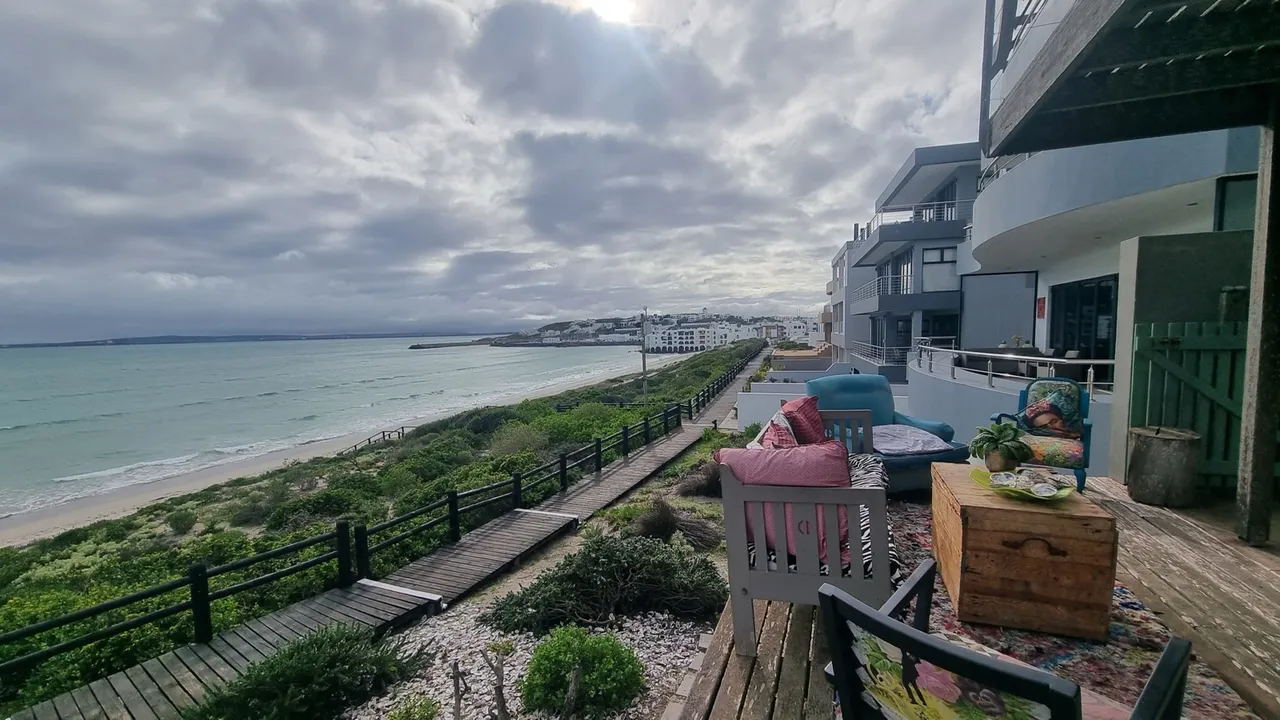
Take a drive through Yzerfontein today and the scale of residential development is hard to miss. It is one of the most visible signs of a broader transformation along the Cape West Coast, where towns traditionally associated with holiday homes and retirement living are evolving into established residential communities.
From Grotto Bay and Yzerfontein to Langebaan and Velddrif, sustained property sales, rising average selling prices and growing demand for permanent homes are reshaping the region’s property landscape.
Several factors are driving this transformation:
- Lifestyle migration Buyers seeking an alternative to metropolitan living without sacrificing modern conveniences.
- Flexible working Greater flexibility around where professionals live and work is expanding residential demand.
- Infrastructure and amenities Established services, recreational facilities and community infrastructure are supporting permanent living.
- Changing buyer demographics Younger professionals and families are increasingly considering the West Coast as a long-term residential destination.
- Lifestyle estates Growing demand for security, recreational amenities and integrated community living.
For property investors and developers, this shift represents a changing market supported by more than seasonal holiday demand.
Property selling prices surge across the West Coast
Deeds Office-based property sales data reveals substantial increases in average registered selling prices across several West Coast towns between 2020 and 2025.
| Area | 2020 Ave price | 2025 Ave price | Increase |
|---|---|---|---|
| Grotto Bay | R2.23m | R4.55m | 104% |
| Yzerfontein | R1.33m | R3.20m | 141% |
| Velddrif | R970,000 | R1.695m | 75% |
Increase in average registered selling price, 2020 to 2025
Source: Deeds Office-based average registered selling prices.
The figures highlight three distinct market trends:
- Yzerfontein Recorded the strongest percentage increase among the three towns, reflecting a significant shift in average transaction values.
- Grotto Bay Average selling prices more than doubled, reinforcing its positioning in the premium coastal property market.
- Velddrif Remains comparatively affordable while recording substantial growth in average selling prices.
Importantly, these figures reflect the mix of properties sold in each year and should not be interpreted as like-for-like capital appreciation or guaranteed investment returns.
Lightstone data confirms growing residential demand
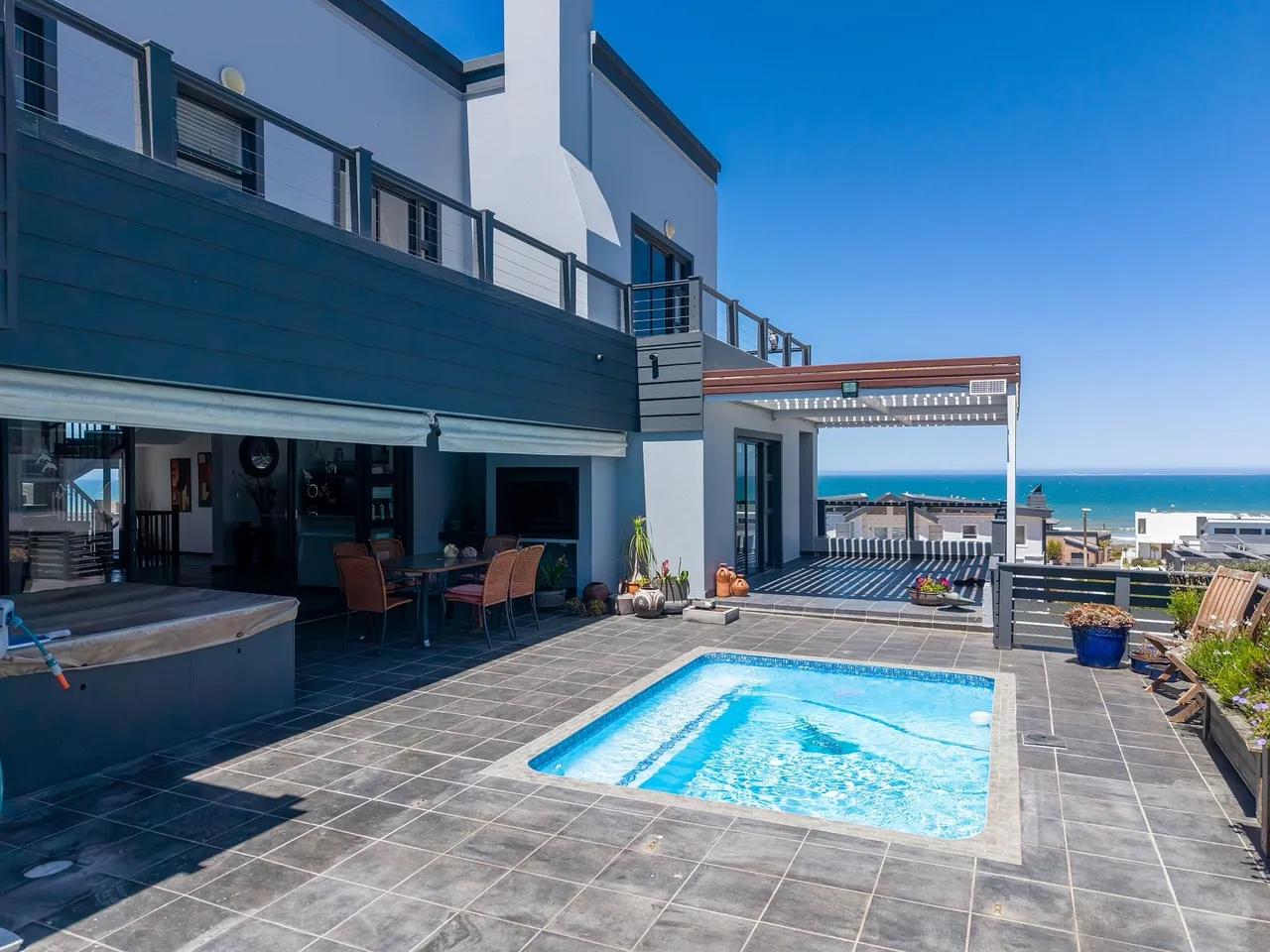
Research published by property data specialist Lightstone in February 2026 provides further evidence of the West Coast’s residential expansion.
The findings highlight the region’s growing appeal among homeowners relocating within the Western Cape.
- Langebaan Residential property stock increased by 15% over five years, with 1,260 properties added.
- Emerging residential nodes Yzerfontein, Velddrif and Darling recorded residential stock growth above the national average of 4.7%.
- Regional migration Langebaan and surrounding towns are popular destinations for Cape Town homeowners relocating within the province.
- Sales activity Lightstone’s August 2026 research identified the West Coast among South Africa’s six leading non-metropolitan property districts for sales activity.
- Selling prices Properties achieved a median 94% of their asking prices.
These indicators suggest that the region’s transformation extends beyond rising property values to include expanding housing supply and sustained residential market activity.
Langebaan records R574 million in property sales
Langebaan continues to demonstrate strong residential market activity, supported by established lifestyle estates, coastal attractions and growing demand for permanent homes.
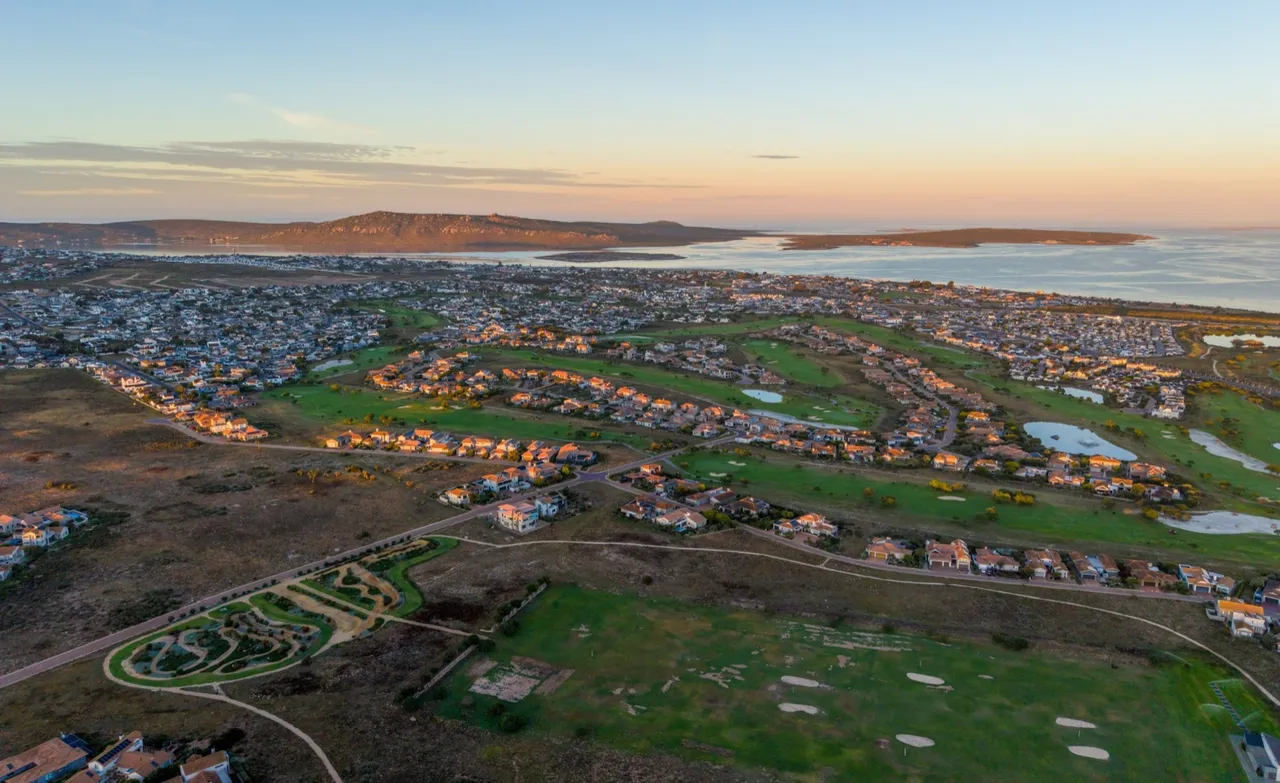
According to research published by Cape Coastal Homes, the town recorded the following during the first half of 2026:
- Residential transactions 210 property sales.
- Total transaction value R574.15 million.
- Vacant land transactions 67 sales worth R102.51 million.
- Freehold selling prices Average prices increased by 27.5% between 2024 and the first half of 2026.
- Vacant land prices Average selling prices increased by 10.9% over the same period.
Craig Scott, CEO and developer of Langebaan Country Estate, attributes this growth to changing buyer priorities.
“Langebaan is no longer simply somewhere people come for holidays or weekends. We’re seeing buyers who want to make the West Coast their permanent home, and they’re looking for more than a property. Security, established infrastructure, recreational facilities and a sense of community are all becoming important considerations,” says Scott.
Lifestyle estates drive residential transformation
The evolution of Langebaan Country Estate illustrates how long-term development and established lifestyle infrastructure can support the transformation of a regional property market.
The estate’s origins date back to the acquisition of Olifantskop Farm in the late 1980s, followed by decades of phased development.
Key milestones include:
- Late 1980s Acquisition of Olifantskop Farm.
- 1990s Opening of the original golf course.
- 2007 Opening of the Gary Player Black Knight Design golf course.
- Residential expansion Phased development of residential villages, sporting facilities and lifestyle amenities.
- Today More than 1,000 developed properties across the 450-hectare estate.
“People are making longer-term decisions about where they want to live. They want the freedom to create a home that suits their needs, but within an environment where the infrastructure, facilities and community are already established,” explains Scott.
Younger buyers reshape the West Coast market
One of the most significant changes is the region’s evolving buyer demographic. Lightstone’s research reveals that just over half of property buyers in the West Coast region are under the age of 50, challenging the perception that the area is primarily a retirement destination.
This changing demographic has potential implications for:
- Residential development Greater demand for family homes and permanent accommodation.
- Rental opportunities Potential demand for longer-term rental accommodation.
- Commercial investment Opportunities for retail, healthcare and other services supporting permanent residents.
- Community infrastructure Increasing importance of schools, connectivity and recreational facilities.
“We’re seeing younger buyers and families choosing the West Coast as a place to put down roots. The natural beauty has always been there, but established estates now offer the security, infrastructure and lifestyle facilities that make relocation an attractive option,” says Scott.
REI perspective: Invest in sustainable demand
The Cape West Coast’s transformation highlights an important property investment principle: sustainable population growth and permanent residential demand can create opportunities beyond traditional metropolitan markets.
However, rising average selling prices alone are not sufficient grounds for an investment decision.
Investors should evaluate:
- Location fundamentals Access to employment, schools, healthcare and essential services.
- Municipal infrastructure Water security, electricity supply and future development capacity.
- Rental demand Achievable rentals, occupancy levels and seasonal fluctuations.
- Development pipelines Future housing supply and potential oversupply risks.
- Investment fundamentals Net rental yields, financing costs, affordability and realistic resale values.
The West Coast is no longer simply a market for holiday homes and retirement properties. It is emerging as a more diversified residential market with potential opportunities for homeowners, investors, developers and commercial property businesses.
The real investment opportunity lies not simply in buying coastal property, but in identifying locations where permanent residential demand, reliable infrastructure and sustainable economic activity support long-term value.
Sources:
- Deeds Office-based average registered property selling prices, 2020–2025.
- Lightstone residential property research, February and August 2026.
- Cape Coastal Homes, Langebaan residential property market research, first half of 2026.
- Craig Scott, CEO and Developer, Langebaan Country Estate.