







Growthpoint’s R2.8bn property shake-up: Where capital is moving
Growthpoint is targeting R2.8 billion in property disposals and R2 billion in capital investment, signalling a strategic shift towards logistics, retail and high-quality mixed-use precincts.
- Growthpoint projects R2.8 billion in FY2027 property disposals, potentially exceeding its original R2 billion target by 40%.
- Logistics and industrial property leads portfolio performance, with a R1.5 billion development pipeline set to deliver 105,000m² of new space.
- Coastal markets outperform Gauteng on rental renewals across all three core sectors, highlighting an increasingly divergent commercial property landscape.
A strategic shift in property investment
Growthpoint Properties (JSE: GRT) is accelerating the repositioning of its property portfolio, selling older, less competitive assets and redirecting capital towards sectors and locations offering stronger long-term income and growth prospects.
The JSE-listed real estate investment trust’s (REIT) first-quarter investor update, released on 26 November 2026 for the three months ended 30 September, provides valuable insight into where institutional property capital is moving.
While elevated interest rates, consumer pressure and regional economic disparities continue to challenge the sector, Growthpoint is prioritising modern logistics facilities, competitive retail assets, mixed-use precincts and alternative property investments.
Growthpoint describes its strategy as redeploying capital into assets offering “stronger risk-adjusted returns and more sustainable income growth.”
The strategy reflects a broader investment principle: owning more property does not necessarily create more value. Owning better-performing property does.
R2.8 billion asset disposal programme accelerates
Growthpoint is intensifying its capital recycling programme, reducing exposure to non-core properties with limited growth prospects while unlocking capital for new investment opportunities.
Key first-quarter figures include:
- R832 million Eleven properties sold and transferred, including Trading & Development assets.
- R2 billion Original FY2027 asset disposal target.
- R2.8 billion Projected full-year property disposals.
- R404 million Five Johannesburg office properties disposed of.
- R270.7 million Five industrial warehouse properties sold.
- R150.3 million Disposal of Growthpoint’s 27.5% interest in The Bridge Shopping Centre in Gqeberha.
“We are projecting disposals of R2.8bn for FY27, potentially exceeding our target,” Growthpoint says.
Management cautions that the timing difference between disposals and replacement income could temporarily dilute distributable earnings, particularly where properties are sold at yields exceeding the current cost of debt.
Where Growthpoint is investing its capital
Growthpoint is targeting approximately R2 billion in development and capital expenditure across its core South African portfolio during FY2027, excluding developments for Growthpoint Investment Partners.
First-quarter development and capital expenditure, including Trading & Development, reached R429.5 million.
The largest projects include:
| Development | Location | Q1 expenditure |
|---|---|---|
| Paarl Mall redevelopment | Paarl | R71.6m |
| Indlovu Logistics Park | Cape Town | R66.8m |
| Olympus residential development (50%) | Sandton | R45.2m |
| Cornubia | Durban | R38.6m |
| Chain Avenue | Cape Town | R25.1m |
| Total of five projects | R247.3m |
Q1 development and capital expenditure, largest projects
Source: Growthpoint Properties Q1 FY2027 investor update.
The allocation demonstrates a preference for modern, sustainable assets in established and growing economic nodes, rather than indiscriminate portfolio expansion.
Logistics and industrial property leads the market
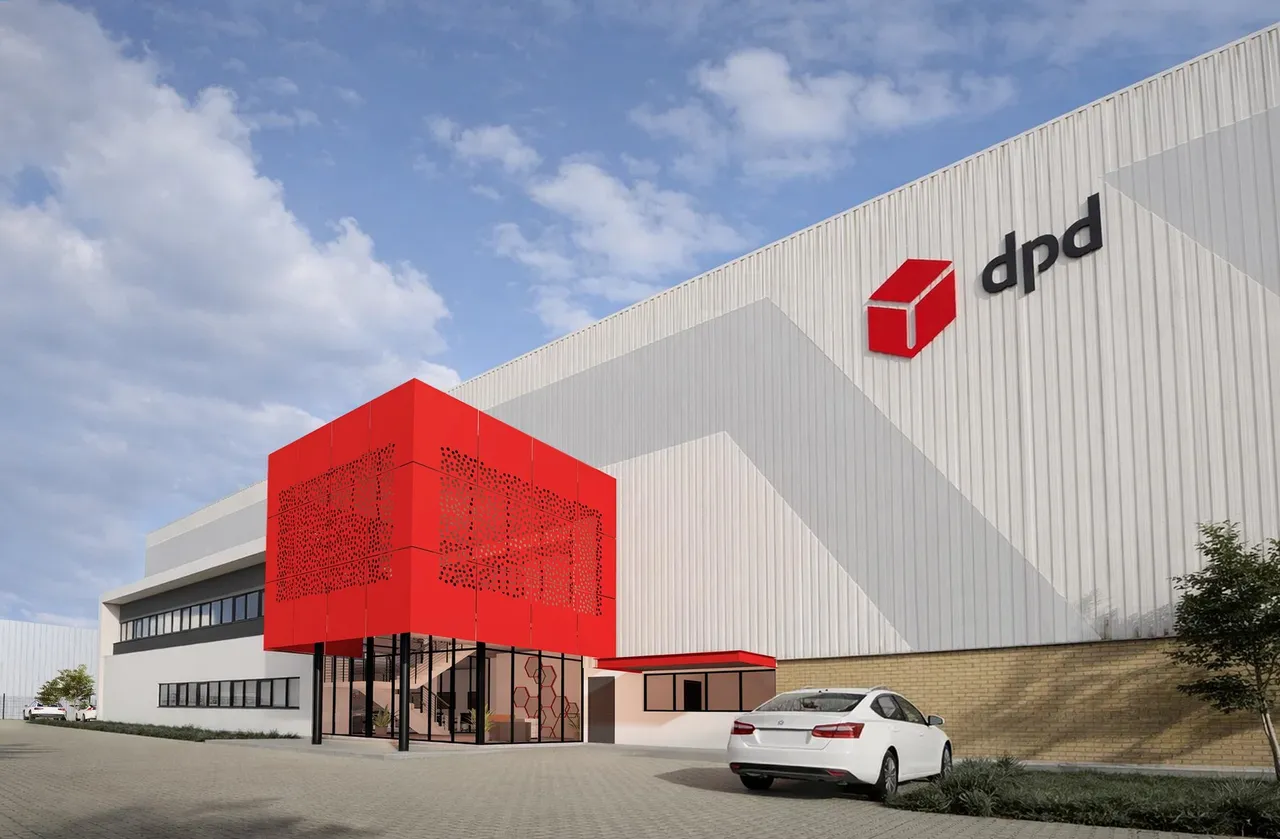
Logistics and industrial property remains Growthpoint’s strongest-performing core sector, supported by improving leasing fundamentals, positive rental reversions and demand for modern distribution facilities.
Key performance indicators include:
- Rental renewal growth Improved from -0.5% to +1.5%.
- Tenant retention Increased from 77.8% to 81.5%.
- Rental escalations on renewals Increased to 7.5%.
- Vacancies Increased from 2.9% to 3.6%, but are forecast to decline to 2.1% by June 2027.
- Development pipeline R1.5 billion, delivering approximately 105,000m² over two years.
- Further disposals Eighteen industrial assets involved in transactions with proposed proceeds of R1 billion.
Indlovu Logistics Park in Cape Town has already been fully let to Hisense on an eight-year lease commencing in July 2027, significantly reducing development leasing risk.
Growthpoint says its objective is to create a “premium logistics portfolio, anchored by high-quality logistics warehouses and distribution facilities.”
Western Cape versus Gauteng: A widening divide
Growthpoint’s regional performance reveals a significant divergence between coastal and inland commercial property markets.
The Western Cape is achieving positive rental renewal growth across retail, office and industrial property, while Gauteng remains under pressure across all three sectors.
Rental renewal growth by region
| Property sector | Western Cape | Gauteng | KwaZulu-Natal |
|---|---|---|---|
| Retail | +3.8% | -0.5% | -8.5% |
| Office | +5.4% | -10.3% | -5.5% |
| Logistics and industrial | +8.3% | -3.8% | +8.5% |
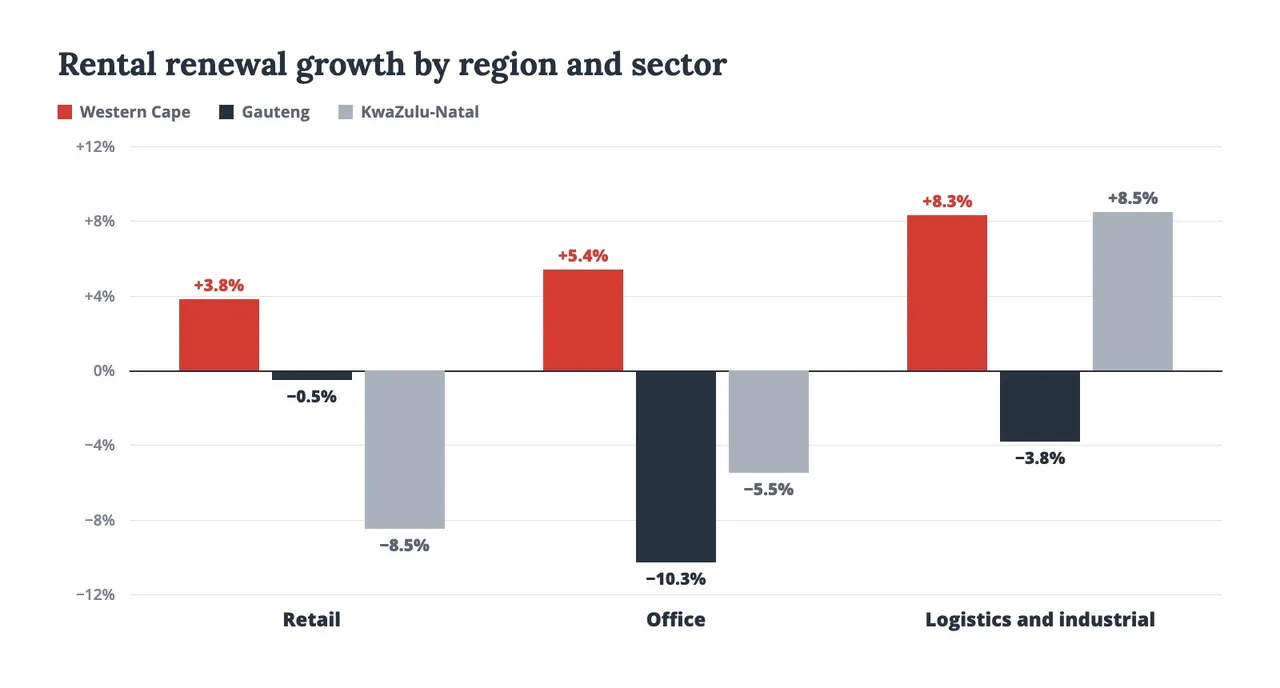
Source: Growthpoint Properties, September 2026.
The figures reinforce the importance of geographic allocation, although performance varies considerably between individual properties and economic nodes.
Office recovery remains uneven
South Africa’s office market is showing signs of stabilisation within Growthpoint’s portfolio, but structural challenges remain, particularly in Gauteng.
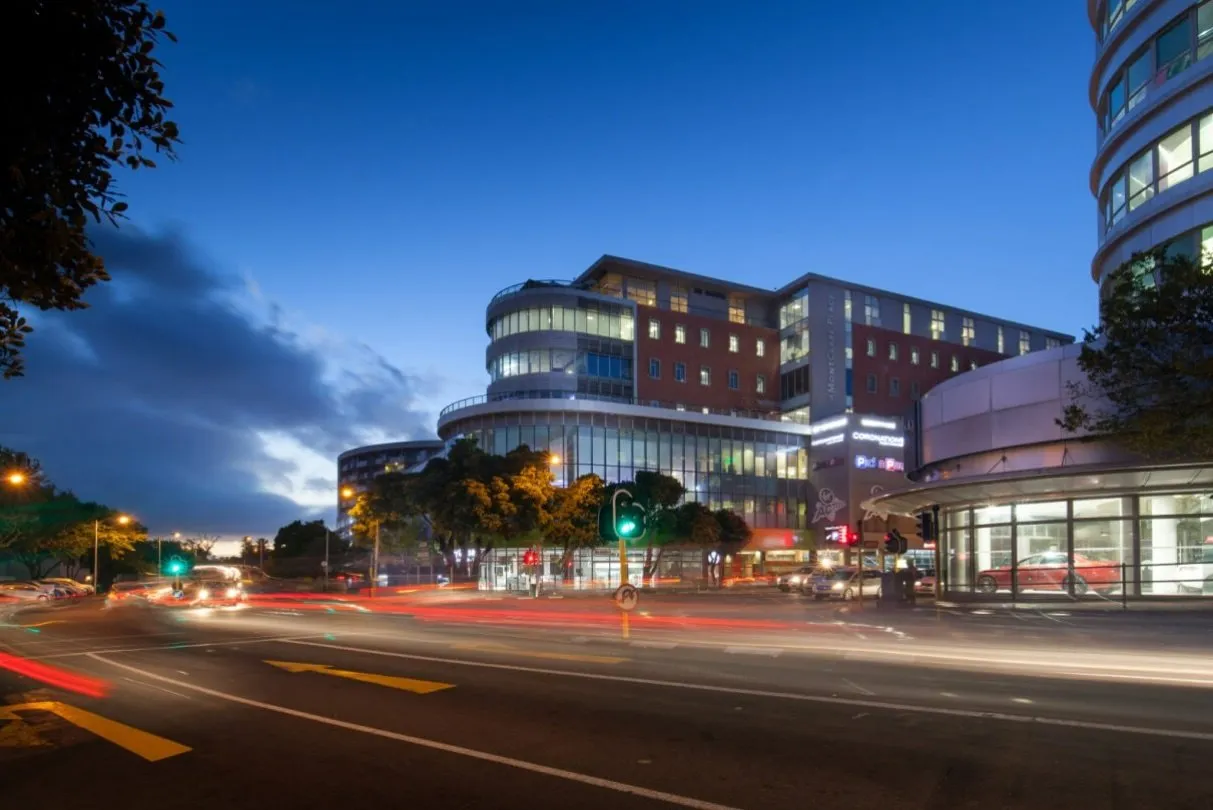
- Office vacancies Improved from 14.1% to 12.7%.
- Rental reversions Improved from -6.3% to -4.1%.
- Gauteng office vacancies Declined from 18.6% to 16.7%, primarily benefiting from disposals.
- Western Cape office vacancies Remain comparatively low at 4.2%.
- Office arrears Increased from R38.1 million to R49.5 million.
Growthpoint’s strategy is to reduce its relative office exposure, particularly inland, while retaining competitive buildings in stronger commercial precincts.
Retail resilience faces consumer pressure
Retail property remains strategically important, although weakening consumer spending is placing pressure on operating performance.
Growthpoint’s retail portfolio recorded:
- Tenant retention A resilient 90.2%.
- Vacancies Increased from 3.5% to 4%.
- Rental renewal growth Declined from +0.8% to -1.3%.
- Annual trading density growth Slowed from 5% to 2.1%.
- Footfall growth Declined from +3% to -0.9%.
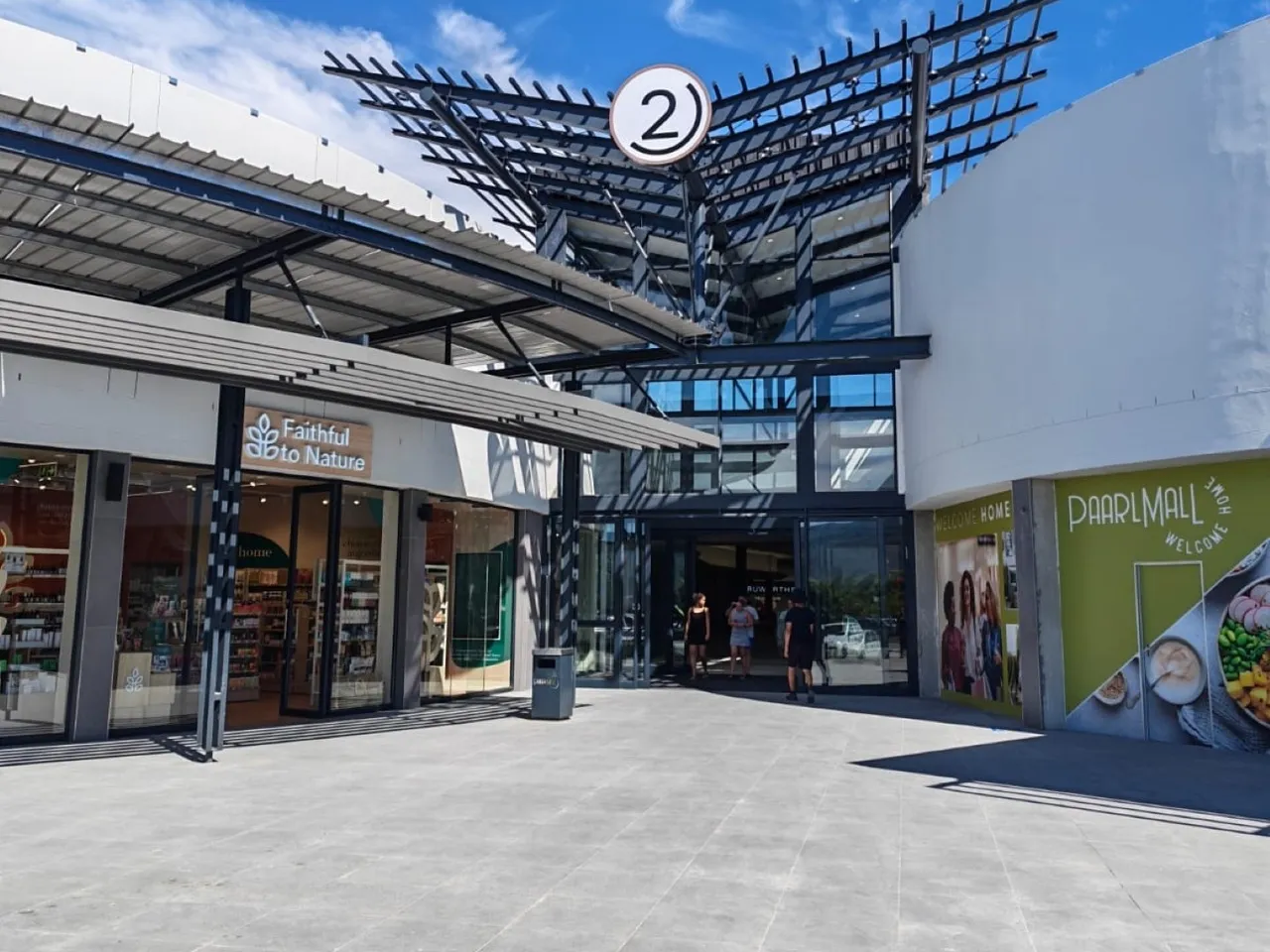
Targeted redevelopments at Paarl Mall, Walmer Park, Greenacres, Brooklyn Mall and other shopping centres are intended to strengthen competitiveness and respond to changing consumer needs.
Beyond traditional commercial property
Growthpoint is also diversifying its income streams through specialist property funds, residential developments and strategic mixed-use precincts.
Key growth opportunities include:
- V&A Waterfront Property income growth of 5.4%, with vacancies of just 0.3%.
- Olympus Sandton The residential development with Tricolt has achieved 81% bankable sales.
- Cape Winelands Airport A strategic development partnership with potential commercial property investment and management opportunities, subject to funding and approvals.
- Growthpoint Investment Partners R13.7 billion in gross assets under management across healthcare and student accommodation.
- Healthcare property Maintained 100% occupancy.
- Student accommodation Significant development projects underway in Durban, Sandton and Cape Town.
These investments demonstrate how institutional property capital is diversifying beyond conventional commercial property sectors.
Strong capital management supports growth
Despite elevated borrowing costs, Growthpoint continues to demonstrate access to institutional funding while managing its debt exposure.
- Total debt Reduced from R33.4 billion to R33.2 billion.
- Bond issuance R3.1 billion raised during the first quarter.
- Available committed funding facilities R5.7 billion.
- Overall cost of debt Increased from 6.7% to 6.9%.
- FY2027 guidance Distributable income per share growth of between 1% and 3%, unchanged.
Internationally, Growthpoint remains focused on optimising its existing investments in Growthpoint Australia, Globalworth and Lango before entering new offshore markets.
REI perspective: Follow the capital, not the hype
Growthpoint’s portfolio repositioning offers valuable insight into how institutional investors are responding to structural changes in South Africa’s property market.
Five investment principles stand out:
- Recycle capital Underperforming assets can restrict future portfolio growth.
- Prioritise location Economic nodes and regional fundamentals increasingly determine performance.
- Follow sustainable tenant demand Modern logistics facilities and competitive precincts demonstrate the value of occupier-driven investment.
- Diversify intelligently Healthcare, student accommodation and residential property offer alternative income opportunities.
- Protect cash flow Funding costs, vacancies, arrears and tenant affordability remain critical considerations.
Growthpoint’s R2.8 billion disposal programme is not simply about selling property. It is about improving portfolio quality, competitiveness and the sustainability of future income.
The biggest lesson for property investors heading into 2027 is that yesterday’s successful property investments will not necessarily be tomorrow’s strongest performers.
The smart money is not abandoning property. It is becoming increasingly selective about the type, quality and location of the property it owns.
Sources:
- Growthpoint Properties Limited (JSE: GRT), Investor Update for the Three Months Ended 30 September 2026, released 26 November 2026.
- Business Day – Growthpoint keeps full-year guidance unchanged after resilient first quarter, 26 November 2026.