









Cape Town property: Why your street matters more than ever
Listen · 1-minute summary
0:00 / 1:31
Read the summary
Cape Town property: Why your street matters more than ever. Foreign buyers are paying premium prices in the Southern Suburbs, but their influence is narrow. Constantia shows 43 percent foreign participation, with an average price of R19.5 million. Across the Western Cape, foreign purchasers represented approximately 7.8 percent of buyers. Prices also vary sharply between suburbs. In Bishopscourt, average selling prices reportedly rose from approximately R11 million to R30 million over five years. Kenilworth Upper moved from around R5.6 million to R18 million. Correct pricing pays. In Rondebosch, homes now sell in approximately 15 days, compared with 35 days a year earlier. They sell around 2 percent below asking, compared with 6.5 percent previously. Nationally, according to FNB's August 2026 Estate Agent Survey, the average discount was 8 percent. On a property marketed at R5 million, that is R100,000 below asking at 2 percent, against R400,000 at 8 percent. School catchments, road noise, views and traffic can change what a home is worth. The suburb may attract the buyer, but the street often determines the price. Read the full story by Storm MacLennan on rei.co.za.
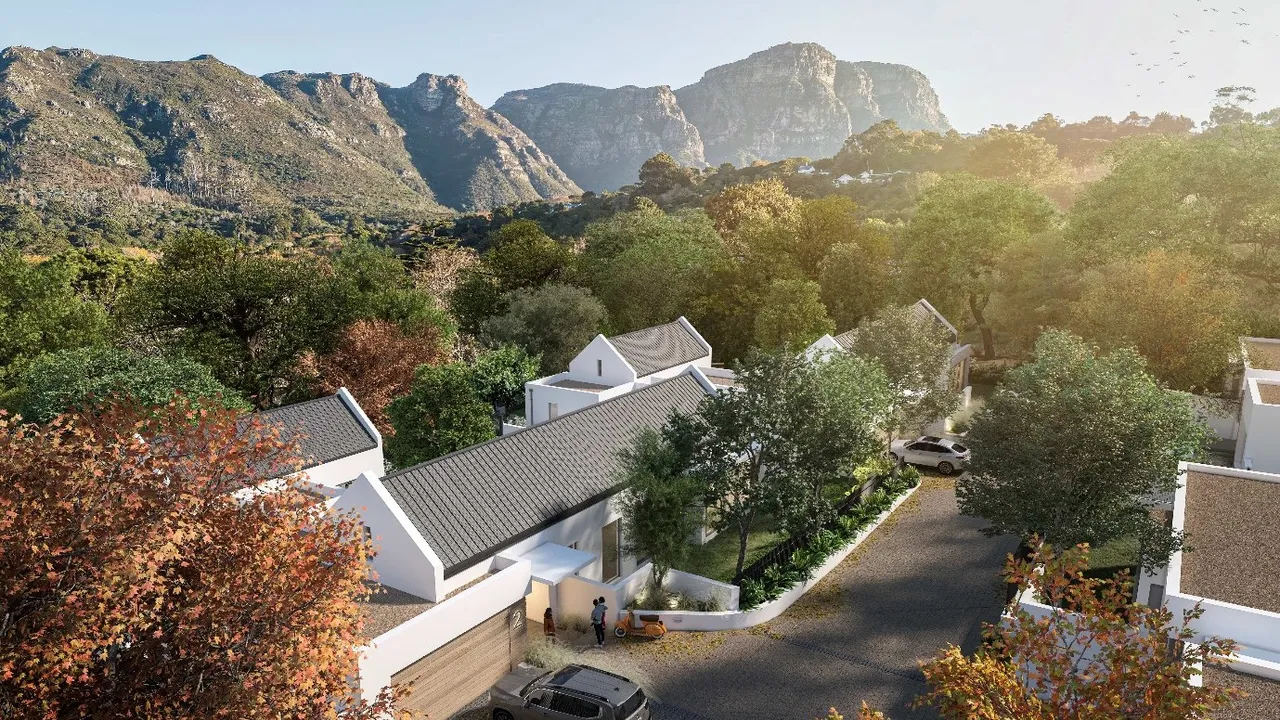
Foreign buyers are paying premium prices in Cape Town’s Southern Suburbs, but street-level demand, accurate valuations and local market knowledge remain the keys to achieving top prices.
- Foreign buyers account for significant sales in select luxury suburbs, but their influence varies dramatically across Cape Town’s property market.
- Bishopscourt and Kenilworth Upper have recorded substantial price growth, while neighbouring suburbs reveal a very different performance picture.
- Correctly priced Rondebosch homes sell in approximately 15 days, highlighting the value of realistic pricing and local market intelligence.
Cape Town’s property boom is not the same on every street
Cape Town’s residential property market continues to attract attention from international buyers, semigrants and local families seeking lifestyle, security and long-term investment opportunities.
But behind the headlines about record prices and wealthy foreign purchasers lies a more complex reality. Not every suburb is booming, not every property attracts international interest, and even neighbouring streets can deliver vastly different investment outcomes.
According to Storm MacLennan of Jawitz Properties, sellers in Constantia, Bishopscourt and Newlands often enter the summer selling season hoping that a wealthy overseas buyer will pay a premium for their homes.

While these buyers undoubtedly influence the luxury market, relying on them as the foundation of a selling strategy can be a costly mistake.
The real determinants of property value are often much closer to home: location, school catchments, neighbourhood characteristics, comparable sales and the strength of local demand.
For sellers and investors, understanding these differences can mean the difference between achieving a premium price and watching a property remain unsold.
1. Foreign buyers: Big money, but a selective market
International purchasers have become an important feature of Cape Town’s premium residential property market, particularly in established luxury suburbs and sought-after coastal locations.
However, their influence is highly concentrated. Research cited by Jawitz Properties from Lightstone highlights the extent of foreign participation in selected areas.
Foreign buyer activity in premium markets:
- Constantia 43% foreign participation, with an average price of R19.5 million.
- Constantia Heights 34% foreign participation, averaging R24.4 million.
- Bishopscourt 22% foreign participation, with an average price of R22.7 million.
- Llandudno Foreign buyers accounted for 67 of 102 properties sold since 2015.
- Western Cape overall Foreign purchasers represented approximately 7.8% of buyers.
These figures illustrate the significant difference between the luxury market and the broader provincial housing sector. As MacLennan observes, the wealthy international buyer is real, but operates within a relatively narrow segment of the market.
A property in Bishopscourt or Constantia may appeal to overseas buyers seeking exclusivity, privacy and lifestyle amenities. A family home in Plumstead or Kenilworth, however, is more likely to attract local purchasers motivated by affordability, schools and convenience.
The investment lesson: Sellers should not price ordinary residential properties on the assumption that an international buyer will pay substantially above local market value.
Source: Lightstone research, as cited by Jawitz Properties.
2. Same city, different markets: The price divide
Cape Town’s Southern Suburbs are often discussed as one residential market, yet individual suburbs have experienced dramatically different price movements.
According to Propstats data cited by Jawitz Properties, some premium neighbourhoods have recorded exceptional increases in average selling prices.
Selected Southern Suburbs price trends:
- Bishopscourt Average selling prices reportedly increased from approximately R11 million to R30 million over five years.
- Kenilworth Upper Average prices moved from around R5.6 million to R18 million over the same period.
- Newlands Average prices reached approximately R9.9 million last year, representing 16% growth.
- Newlands premium segment Some 64.7% of sales this year reportedly exceeded R10 million.
Elsewhere, the picture is less positive. The analysis references Statistics South Africa data indicating that Mowbray remains below its 2020 price peak, while Wynberg has reportedly declined approximately 10.5% from its 2025 high.
These comparisons underline why broad citywide averages can be misleading. They also require careful interpretation: changes in average selling prices may reflect the mix and quality of properties sold, not simply increases in the value of comparable homes.
For investors, a suburb’s reported growth rate should therefore be assessed alongside transaction volumes, property types and actual comparable sales.
Sources: Propstats and Statistics South Africa, as referenced in the Jawitz Properties market analysis.
3. Local families remain the backbone of demand
While foreign buyers dominate some luxury property headlines, much of the Southern Suburbs’ residential demand continues to originate from local households and families relocating to Cape Town.
Education, lifestyle and access to employment remain powerful influences on purchasing decisions.
Key drivers of local demand include:
- School catchments Families seeking access to established schools in Rondebosch, Newlands and surrounding areas.
- University access Proximity to the University of Cape Town and related educational facilities.
- Semigration Households relocating from other provinces, particularly Gauteng.
- Lifestyle preferences Demand for established neighbourhoods, green spaces and convenient amenities.
- Retirement living Growing interest in upmarket retirement and downsizing opportunities, particularly in Newlands.
These buyers frequently understand the local market and can distinguish between properties that appear similar on paper. A home within a preferred school catchment may attract stronger interest than a comparable property just outside it.
Similarly, road access, traffic patterns, security, views and proximity to amenities can materially influence buyer demand.
4. Correct pricing can save sellers hundreds of thousands
One of the strongest indicators of a healthy local market is the relationship between asking prices, actual selling prices and time on the market.
Jawitz Properties reports that correctly positioned homes in selected Southern Suburbs are achieving relatively short selling periods and modest discounts.
Local market performance:
- Rondebosch Average selling period of approximately 15 days, compared with 35 days a year earlier.
- Rondebosch discounts Homes selling around 2% below asking, compared with 6.5% previously.
- Newlands Homes reportedly selling in approximately two weeks.
- Newlands discounts Average discount of approximately 3.2%.
These figures contrast with the broader national market. According to FNB’s August 2026 Estate Agent Survey, approximately 75% of sales were concluded below asking price, with an average discount of 8% and an average selling period of around ten weeks.
The financial implications are significant. On a property marketed at R5 million:
- 2% discount R100,000 below asking price.
- 8% discount R400,000 below asking price.
- Difference R300,000.
Although these are illustrative calculations rather than guaranteed outcomes, they demonstrate the potential financial consequences of pricing strategy.
The central message: An ambitious asking price does not necessarily produce a better selling price. Overpriced homes can remain on the market longer, lose momentum and ultimately attract lower offers.
Sources: Jawitz Properties market observations and FNB Estate Agent Survey, August 2026.
5. Why street-level knowledge beats suburb averages
Online property portals provide valuable information, but they cannot always capture the characteristics that influence individual property values.
Two homes in the same suburb may command very different prices because of their immediate surroundings.
Examples of street-level differences include:
- Kenilworth Upper versus lower neighbourhood locations.
- Bergvliet Proximity to schools, major roads and transport routes.
- Constantia Mountain views, erf size, privacy and road noise.
- Newlands Access to schools, amenities and established residential streets.
- Rondebosch School catchments, traffic conditions and neighbourhood character.
MacLennan argues that experienced local agents bring an understanding of registered transactions, off-market activity and current buyer feedback that asking-price comparisons alone cannot provide. Equally important is identifying the most likely purchaser.
A Gauteng family relocating for education, a returning expatriate, an international luxury buyer and a local retiree may all evaluate the same property differently. Effective pricing and marketing should reflect the buyer most likely to purchase the home, rather than the buyer a seller hopes might appear.
REI perspective: Buy the street, not just the suburb
For property investors, the Southern Suburbs provide a compelling lesson in micro-market analysis. Capital growth is not evenly distributed, even within highly desirable residential areas.
Before acquiring or selling an investment property, investors should examine:
- Recent registered sales of genuinely comparable properties.
- Average selling periods and negotiated discounts.
- Rental demand and achievable yields in the immediate neighbourhood.
- Infrastructure, school catchments and lifestyle amenities.
- The potential effect of location-specific risks on future resale demand.
Foreign demand can provide additional support in selected luxury markets, but sustainable investment performance requires a broader assessment of affordability, local purchasing power and long-term demand.
The best property price starts with local knowledge
Cape Town’s residential property market continues to offer opportunities for homeowners and investors, but the strongest outcomes are not necessarily achieved by chasing the highest asking price or waiting for an overseas buyer.
The evidence presented by Jawitz Properties suggests that realistic valuations, detailed neighbourhood knowledge and an understanding of active buyers remain central to successful transactions.
For sellers entering the summer market, the strategy is straightforward: study recent sales, assess competing listings and price according to genuine demand.
In Cape Town property, the suburb may attract the buyer, but the street often determines the price.
About the contributor
Storm MacLennan | Jawitz Properties
Storm MacLennan is a property market contributor from Jawitz Properties, providing insights into Cape Town’s Southern Suburbs residential market, buyer behaviour and property pricing.
Sources: Jawitz Properties; Lightstone; Propstats; Statistics South Africa; FNB Estate Agent Survey, August 2026.
Website: www.jawitz.co.za