






South Africa’s Economy: Tough fixes, real reasons for hope
- Finance, real estate and business services are SA’s growth engine, yet construction is lagging and that threatens future housing supply.
- Inflation wasn’t “too much demand’, it was global shipping and oil shocks; rates rose too far, squeezing buyers and building activity.
- The optimism case: easing loadshedding, stronger rand, tourism recovery, commodity upside, and a more functional policy mix under the GNU.
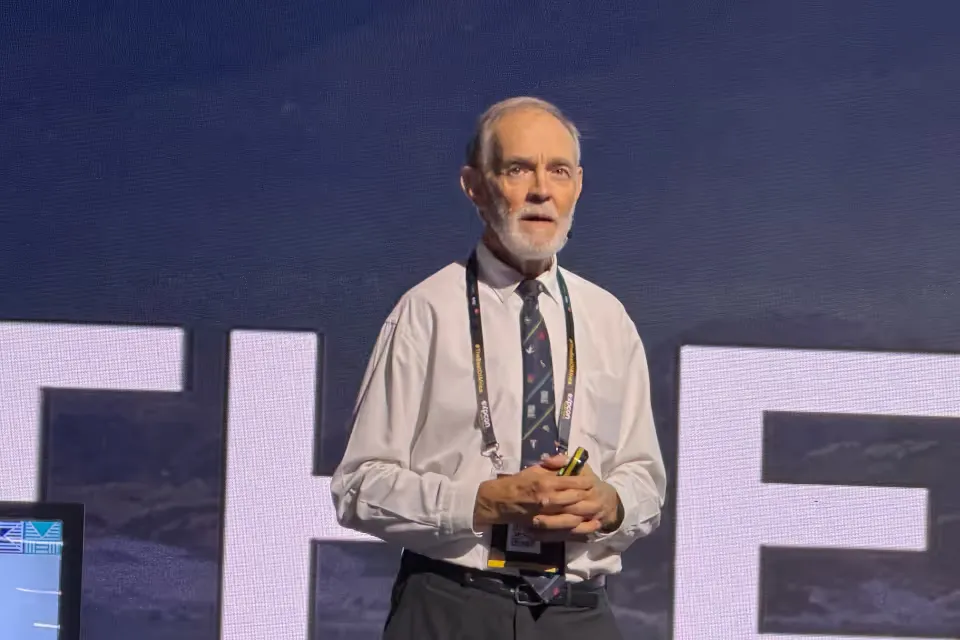
Dr Roelof Botha’s straight-talking take from eXpcon in Cape Town and what it means for property, building, and the next leg of recovery.
“Finance and business services including property is SA’s biggest and fastest-growing sector. Construction, though, is the danger zone,” says Botha.
South Africa is a country of contradictions and that was the core message economist Dr Roelof Botha delivered at eXpcon, the estate agent gathering in Cape Town.
On the one hand, we have a private sector that keeps proving it can perform under pressure. On the other, we have bottlenecks, especially at municipal and infrastructure level, that keep dragging down growth, jobs and housing delivery.
His framing was simple: South Africa is not short of opportunity. It’s short of execution. And if we want to “solve the South African puzzle”, the property and construction value chain has to be central, because it drives jobs, investment and household wealth in a way few other sectors can.
What follows is a practical breakdown of his key points, the highs, the lows, the fixes and what they mean for investors, developers, and the agents on the frontline of demand.
The two-speed economy you can actually measure
Botha started with a sector snapshot that cuts through the noise.
Finance and business services, which includes real estate and property transactions, is by far South Africa’s largest contributor to GDP. More importantly, he argued it’s also been the strongest growth performer over the past decade-plus.
That’s a big deal. It means that even when the broader economy feels “stuck”, there is still meaningful economic activity happening in the property and finance ecosystem and it tends to lead the cycle when confidence returns.
But that’s only half the story.
Construction was singled out as the worst-performing sector. And that, he warned, is not a “construction problem”. It’s a future housing supply problem and a future jobs problem too.
“You need construction activity to build houses. And we’re heading for a serious shortage if supply doesn’t recover.”
The good news: Pockets of real momentum
Despite his blunt criticism of weak execution, Botha wasn’t there to deliver doom. His optimism was grounded in measurable trends moving in the right direction.
- Agriculture’s outperformance is a quiet miracle
He called agriculture “absolutely fantastic”, especially given South Africa’s classification as an arid country. His point: farming has delivered food security, exports, and resilience under extremely tough conditions.
And in an inflation-sensitive economy, that matters. A country that can feed itself is less exposed to external shocks. - Commodities are giving SA breathing room
Botha spent time on mineral exports coal, iron ore, gold, platinum and the broader platinum group metals (PGMs). His argument: South Africa is sitting with a resource endowment that should translate into far higher GDP and job creation, if policy and logistics don’t choke it.
He highlighted PGMs as a strategic advantage with global demand dynamics shifting, not just platinum, but related metals critical to advanced industries. - Tourism is back and it’s labour-intensive
The recovery in tourism isn’t just “nice to have”. It’s one of the fastest ways to create jobs and circulate money in local economies.
More arrivals flow into hospitality, retail and services and into property through rentals, short-stay demand, and lifestyle migration. - The energy shift is real
He credited the private sector-led move toward solar (and wind) for materially improving the outlook. Less downtime and greater reliability reduces the drag on growth.
In plain terms: energy is becoming less of a handbrake, and that changes the confidence equation.
The bad news: Construction is still the pressure point
Botha’s biggest concern was the gap between what the country needs and what it is building.
He referenced the value of building plans passed still sitting below pre-COVID levels and warned that if supply doesn’t lift, the country faces an escalating shortage.
At the same time, he pointed to a familiar reality: there is demand for housing, but affordability and supply are not aligned.
And that led him into his most controversial section…
Interest rates: “A grave error” with real-world consequences
Botha didn’t mince words about the Reserve Bank’s rate path over the past cycle. His argument was that South Africa’s interest rates were pushed to a 15-year high without the classic signs of demand-driven inflation.
In his view, the inflation spike was largely imported and temporary driven by:
- A shock jump in global shipping costs, and
- A sharp rise in oil prices.
His practical point for property professionals: housing is not a casual purchase. It’s financed. And when debt servicing costs climb hard, market activity falls.
That shows up everywhere:
- Fewer bond approvals
- Fewer first-time buyers qualifying
- Fewer upgrades
- Softer transaction volumes
- Weaker appetite to build
“When the cost of servicing a mortgage rises sharply, demand pauses. Supply then falls behind and the shortage builds.”
The Province Story: Why better-run metros win
One of the sharpest “property” insights in his talk was the link between governance and development outcomes.
He argued that well-run municipalities attract people and investment, because service delivery, permitting, maintenance, water and roads are not abstract issues. They directly determine whether it is feasible to build, live, and do business.
He pointed to the Western Cape’s relative outperformance and suggested it reflects a wider reality: when local execution works, capital follows.
And he made a big call that resonates with investors: this migration and investment shift is not stopping. People move to where schools work, services function, and value is protected.
The opportunity set: where property players can win now
The most useful part for agents, investors and developers is what these trends mean in practice.
- An affordability window is opening
Even moderate rate relief changes monthly repayments and approval odds. That tends to bring buyers back from the sidelines, especially in the middle market.
Example: A buyer who couldn’t qualify at higher rates may suddenly become bankable after a few cuts and that unlocks pent-up demand.
- Supply constraints can become tomorrow’s price pressure
If building plans and construction don’t recover meaningfully, supply will lag household formation and migration trends.
That becomes a medium-term opportunity for:
- Developers in functional nodes,
- Investors in rental corridors,
- Agents positioned in high-demand areas.
- “Follow the functioning infrastructure” is now a strategy
Markets with reliable services and predictable approvals will outperform. Investors will increasingly price governance into decisions, not just suburb aesthetics.
How we fix it: a practical checklist
Botha’s “fix” agenda was not complicated. It was operational.
Fix 1: Rebuild municipal competence
You can’t fix water, roads and approvals with wishful thinking.
- Hire skilled technical teams
- Put real project managers in place
- Stop patronage appointments that erode delivery
Fix 2: Speed up approvals and unblock supply
If South Africa is serious about housing and growth:
- Make building plan approvals faster and consistent
- Standardise requirements
- publish turnaround targets, and enforce them
Fix 3: Partner harder with the private sector
He argued the country has already seen what private sector participation can achieve, especially in energy.
Now apply that mindset to:
- Water infrastructure
- Ports and logistics
- Road maintenance
- Catalytic housing delivery
Fix 4: Align interest rates with economic reality
His view: rates should come down further to support growth and employment, because South Africa’s primary disease is unemployment, not demand-driven inflation.
Fix 5: Fix logistics and ports to unlock exports
Exports keep the currency healthier, lower inflation pressure, and support growth.
If logistics improve, the whole macro picture improves, including the case for lower rates.
The Way Forward: Realistic optimism (not hype)
Botha ended with a message that landed well in the room: we can fix this, but only if the country chooses competence, execution and partnership over ideology and inertia.
The data points behind his optimism were clear:
- Interest rates are trending down
- Fuel prices have been easing
- Tourism is recovering
- Parts of logistics are improving from low bases
- Commodity prices and reserves provide support
- Confidence has improved in a more competitive policy environment
South Africa still has serious constraints, especially infrastructure and municipal performance, but the direction of travel matters.
For property, the conclusion is straightforward: If rates keep easing and delivery improves even modestly, the next 12 - 24 months can bring a meaningful lift in demand and investment.
The biggest risk is supply-side failure. The biggest opportunity is building and investing, where the system works.