





Solar now essential for property value and rental demand
- Rising electricity costs and supply uncertainty make solar a strategic investment, not just backup power for homes and rentals.
- Homes with solar enjoy stronger buyer demand, rental premiums and improved long-term asset value and resilience.
- Properly designed solar systems deliver long-term savings while future-proofing property against tariff hikes and energy instability.
Solar power moves from luxury upgrade to property essential
Energy security has rapidly become one of the biggest drivers of residential property value in South Africa.
Rising electricity tariffs, years of supply instability and growing environmental awareness have shifted solar power from a lifestyle upgrade to a core infrastructure investment for homeowners and landlords.
While demand for solar surged during peak loadshedding periods, some property owners now assume installations are less necessary as grid performance stabilises. Industry experts argue the opposite is true, solar is now about protecting long-term asset value and reducing operational costs rather than simply avoiding outages.
Michael Jones, Sales Engineer at Inpower Energy in Cape Town, explains: “Residential solar should be viewed like roofing, plumbing or security, it’s infrastructure. It directly affects how attractive a property is to buyers or tenants and how resilient it remains against rising energy costs.”
Debunking common solar myths
The biggest misconception remains cost. Solar systems are not standard, off-the-shelf products. Installation pricing varies based on home size, energy usage patterns, future expansion needs and lifestyle requirements.
Jones explains: “Every household consumes energy differently, so systems must be designed around real usage, not price tags. When viewed over a system’s lifespan, solar becomes an investment rather than an expense.”
Quality systems typically operate for 20 years or more, with battery upgrades along the way. Over time, homeowners can reduce electricity costs significantly, often by up to 80% in high-generation summer months and around 40% in winter.
Another myth is that solar should only be installed in summer.
Jones adds: “Solar savings come from everyday self-consumption. Winter installations often make sense because installers are less pressured and systems are ready when summer generation peaks.”
Solar’s growing impact on property demand
Buyer and tenant priorities have shifted noticeably. Reliable energy supply is now critical for households working remotely, running home businesses, or simply seeking uninterrupted living conditions.
Properties with solar installations increasingly sell faster and attract stronger offers, while rental homes equipped with solar achieve higher occupancy and improved rental yields.
Buyers now compare properties based not only on design and location but also on running costs and energy security.
For landlords and developers, this translates into stronger returns and reduced vacancy risks.
Getting the installation right matters
Not all solar installations deliver equal performance. Poor system sizing, inferior components or weak after-sales support can erode expected benefits.
Jones stresses: “A solar system is only as good as the planning behind it. Proper load analysis, quality components, certified installation and long-term support protect both performance and property value.”
Property owners are advised to work with certified installers offering customised system design, compliance assurance, monitoring tools and scalability for future needs.
Solar as a long-term property strategy
Increasingly, solar is being incorporated into broader property asset optimisation strategies rather than treated as a standalone upgrade.
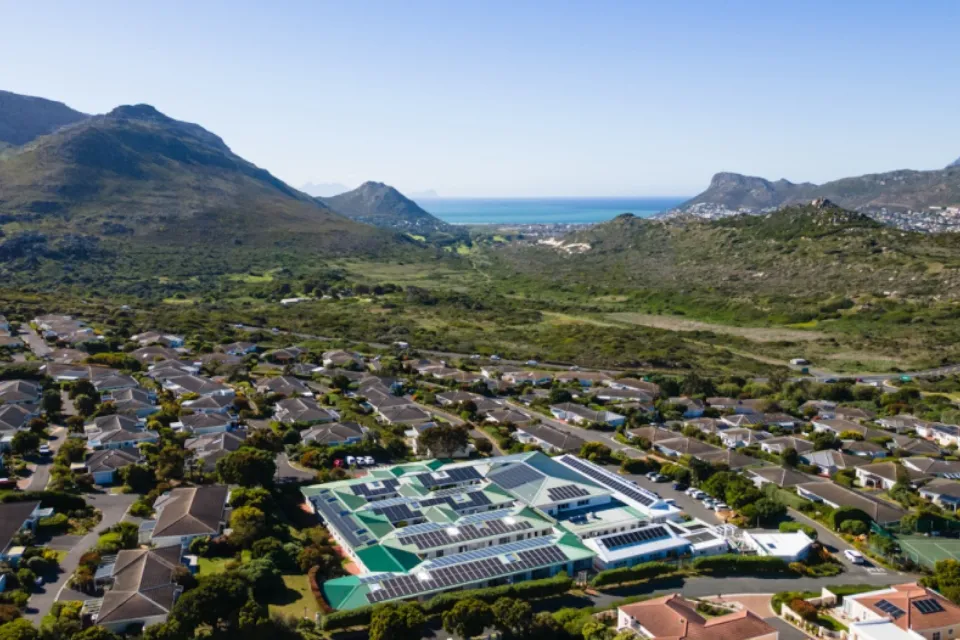
Inpower Energy is currently working on multiple residential projects across Cape Town and surrounding regions, helping homeowners and investors enhance property performance through tailored solar solutions.
Globally, energy-efficient homes consistently outperform traditional housing over time, a trend now firmly taking hold in South Africa.
The road ahead for property owners
As electricity costs continue rising and buyers become more energy-conscious, homes offering energy independence will gain increasing market advantage.
For homeowners, landlords and developers alike, solar is no longer optional, it is becoming part of the baseline expectation for future residential property.
Those investing early stand to benefit most as energy resilience becomes one of the defining factors shaping South Africa’s housing market going forward.
In short: solar power is no longer just about keeping the lights on, it’s about protecting property value, improving returns and future-proofing homes.