





Redefine lifts outlook despite global market turbulence
· Redefine upgraded earnings guidance as improving property fundamentals continue driving operational and income growth.
· Poland’s retail, logistics and self-storage platforms emerged as key contributors to earnings momentum and long-term growth.
· The REIT says strong hedging and refinancing strategies are helping cushion geopolitical and currency volatility.
South African real estate investment trust Redefine Properties says improving property fundamentals and growing operational momentum have positioned the group for stronger earnings growth in 2026, despite escalating geopolitical uncertainty linked to the fluid Middle East conflict.
The JSE-listed landlord upgraded its distributable income per share growth guidance for the 2026 financial year to between 6% and 7%, up from its previous 5% to 6% outlook, after reporting a 7.4% increase in distributable income for the six months ended February 2026.
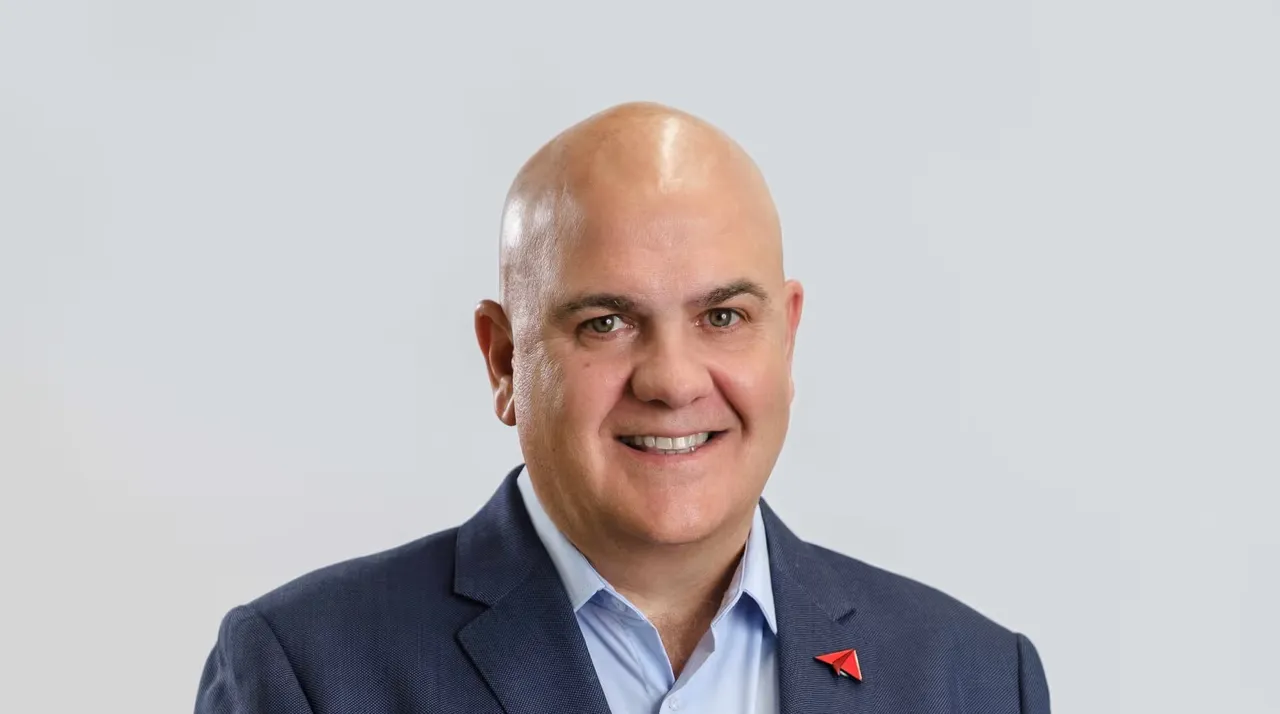
Chief Executive Officer Andrew König described the operating environment as an ongoing “game of snakes and ladders”, where successive macroeconomic and geopolitical shocks continue disrupting market momentum. “During a crisis, your durability is not built, it’s revealed,” König said.
He added that Redefine had emerged stronger after repeated market disruptions over recent years, with improving operational performance now translating directly into earnings growth.
Property fundamentals gain traction
Redefine’s operational performance strengthened across most major asset classes during the reporting period.
Occupancy across the South African portfolio improved to 94.2%, while the group’s Polish logistics platform, ELI, increased occupancy to 98.7%, reflecting sustained demand for high-quality retail, logistics and premium office assets.
Retail continued outperforming within the domestic portfolio:
· Retail occupancy increased to 95%
· Trading density rose by 3%
· Renewal reversions turned positive at 3%
These improvements point to resilient consumer spending and improving trading conditions despite ongoing economic pressure.
Office fundamentals also continued stabilising.
Demand for premium-grade office space improved, with occupancy increasing from 87% to 88.9%, while tenant retention remained exceptionally strong at approximately 96%.
Industrial property remained one of the strongest-performing segments within the portfolio, delivering:
· Occupancy of 97.2%
· Positive rental reversions of 4%
Chief Operating Officer Leon Kok said improving property values were being driven primarily by stronger income performance rather than aggressive valuation assumptions.
“Valuation assumptions have remained relatively stable, with the uplift in property values largely supported by improved income performance,” Kok explained.
Renewable energy and infrastructure expansion
Redefine also accelerated its energy resilience strategy during the period.
Installed solar PV capacity increased by 7% to 62MWp as the group intensified efforts to reduce operational costs and strengthen energy security.
The REIT is also progressing electricity wheeling initiatives through municipal and private-sector arrangements.
Kok confirmed that Redefine had:
· Finalised a short-term 8MWp offtake arrangement
· Signed a 20-year 17MWp wheeling agreement scheduled to commence next year
The strategy forms part of Redefine’s broader push to improve long-term operational efficiency while reducing exposure to South Africa’s ongoing electricity challenges.
Poland emerges as strategic growth engine
Poland continued to emerge as one of Redefine’s strongest strategic growth drivers.
The group reported strong operational performance across its Polish retail, logistics and self-storage platforms despite the translation impact of a stronger rand.
König said Redefine had deliberately positioned its Polish exposure around consumer-led sectors benefiting from resilient demand and improving operating fundamentals.
Occupancy in Redefine’s EPP retail platform remained exceptionally strong at 99.2%, while logistics occupancy within ELI increased to 98.7% amid tightening supply conditions.
The company also highlighted growing optionality within the Polish logistics platform, which could potentially support future strategic disposals, capital recycling or longer-term income growth.
Meanwhile, Redefine’s institutional-grade self-storage platform in Poland is expected to double in size by 2027 through ongoing development activity.
Hedging strategy cushions volatility
Although a stronger rand weighed on the translated value of offshore assets, management stressed that the impact remained largely translational rather than operational.
Chief Financial Officer Ntobeko Nyawo said the rand’s 9.2% appreciation reduced net asset value by 33.2 cents per share on a net basis.
However, Redefine’s extensive hedging programme helped protect distributable income. “If the rand had been flat, EPP would have translated to closer to 7% growth,” Nyawo explained.
Approximately 85% of the group’s debt is currently hedged, while refinancing activity has extended the weighted average debt maturity profile to 3.7 years.
During the period, Redefine refinanced R6.2 billion of EPP core debt while also securing sub-100 basis point pricing on three-year domestic debt funding, highlighting improving confidence from debt capital markets.
The group’s:
· Loan-to-value ratio improved to 40.3%
· Interest cover ratio increased to 2.3 times
Middle East tensions cloud sector outlook
Despite the stronger operational performance, Redefine warned that geopolitical volatility remains one of the biggest risks facing the sector.
König said the current Middle East conflict could significantly influence inflation expectations, oil prices and the future direction of global interest rates.
“Pushing against this momentum is the cyclical Middle East conflict,” he said. “The key uncertainty is how long the conflict and its aftershocks will persist.”
Nevertheless, Redefine believes its improving operational platform, stronger balance sheet and defensive positioning leave the group well placed to withstand future volatility.
“We believe the property fundamentals remain structurally intact and, over the medium term, those fundamentals will outpace cyclical shocks brought on by geopolitical events,” König concluded. “Despite the current volatility, we still believe firmly in the upside of us.”