






Bond declined? Here’s how to bounce back
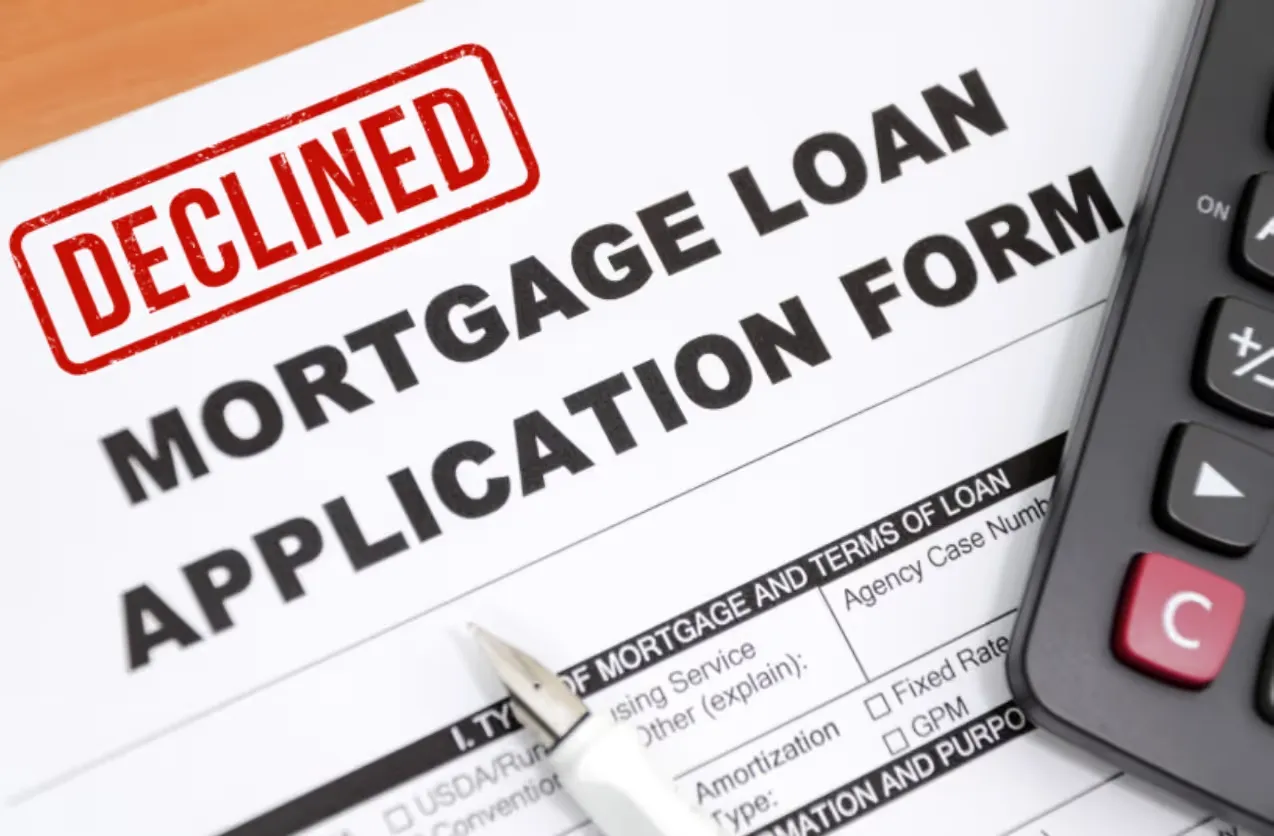
· A declined bond application is often a warning sign, not the end of your homeownership journey.
· Affordability, poor credit health and inaccurate information remain the biggest reasons banks reject applications.
· Buyers who improve their financial profile can often secure approval within six to twelve months.
· Use the BetterBond affordability calculator to understand what you can realistically afford before applying.
A declined home loan application can feel devastating for aspiring homeowners and property investors.
But according to Bradd Bendall, National Head of Sales at BetterBond, a rejection should not be viewed as a permanent setback. “A declined home loan application can feel like a closed door, but it’s actually a starting point to rehabilitate your credit profile for a better outcome in the months ahead,” he says.
In many cases, a rejected bond application is not about whether you can ever own property, it is about identifying and correcting weaknesses in your financial profile.
With South African home loan approval rates currently sitting at 63.5%, up 3.8% year-on-year, Bendall says buyers who take corrective action often return to the market in a much stronger position.
However, rising household costs, inflationary pressures and global uncertainty continue placing pressure on affordability, making financial preparation more important than ever.
Why bond applications are declined
Banks generally reject home loan applications for three core reasons:
· Affordability
· Poor credit health
· Inaccurate or misleading information
Understanding these factors is the first step toward improving approval chances.
Work with experts
Bendall says bond originators play an important role in helping buyers understand exactly why an application was declined and what needs to change before reapplying.
“A bond originator can help you identify the weaknesses in your application and guide you through improving your profile before applying again,” he explains.
This rehabilitation process often takes between six and twelve months, depending on the applicant’s financial position.
1. Affordability
Affordability remains one of the biggest reasons banks decline home loans.
“You have to know exactly how much you can realistically afford to repay each month,” says Bendall.
Banks typically want bond repayments to remain below 30% of gross monthly income, while also considering:
· Existing debt obligations
· Living expenses
· School fees
· Vehicle finance
· Credit card repayments
· Household spending patterns
Many buyers overestimate what they can comfortably afford, particularly during periods of rising inflation and fuel costs.
Using an affordability calculator before applying can help buyers realistically assess repayment ability and avoid unnecessary rejection.
2. Poor Credit Health
Your credit profile remains one of the most important indicators banks use when assessing lending risk. Late payments, arrears, excessive debt and repeated credit applications all weaken your chances of approval.
“A good credit score is built over time,” says Bendall. “It may sound counterintuitive, but responsible use of credit demonstrates your ability to honour financial commitments.”
Banks are increasingly cautious about:
· Missed payments
· Microloan dependence
· Frequent credit applications
· High debt-to-income ratios
· Declined credit applications
Bendall advises buyers to:
· Pay accounts on time
· Reduce expensive debt first
· Avoid unnecessary credit applications
· Monitor credit reports regularly
· Correct any errors on credit profiles
Importantly, negative information can remain on your credit profile for up to five years, making early intervention critical.
3. Misinformation
Providing inaccurate information on a bond application is a major red flag for banks. “Being untruthful on your bond application is considered fraud,” cautions Bendall.
Common issues include:
· Overstating income
· Omitting debt obligations
· Misrepresenting employment history
· Incomplete documentation
If inconsistencies are discovered, banks may reject the application immediately and potentially classify the applicant as higher risk in future applications.
This can even result in higher interest rates being offered later on.
Preparation is key to bond success
Bendall believes one of the smartest steps buyers can take is securing pre-approval before house hunting.
“Getting pre-approved acts as both a credit safety net and a realistic affordability assessment,” he says.
Pre-approval typically includes:
· Credit checks
· Income verification
· Affordability assessments
· Deposit guidance
· Document verification
According to BetterBond, 95% of pre-approved clients are ultimately approved by a bank.
Pre-approval also strengthens a buyer’s credibility with sellers and estate agents by demonstrating financial readiness.
A ‘No’ often means ‘Not yet’
For many buyers, a declined bond application feels deeply personal and emotionally draining.
But Bendall says buyers should view rejection as an opportunity to strengthen their financial position rather than abandon their property ambitions altogether.
“What initially feels like a ‘no’ can often become a ‘not yet’,” he says.
“With the right advice, stronger financial discipline and proper preparation, successful approval often follows.”
In a market where lending conditions remain relatively favourable, buyers who take the time to improve affordability, repair their credit profile and prepare properly are giving themselves a far better chance of long-term property success.