








Octodec profits jump 12% as property strategy pays off
Octodec delivers double-digit earnings growth, higher dividends and stronger residential performance as it sells non-core assets and cuts debt.
- Earnings and dividends rise Distributable income per share increased 12.2% to 192.36 cents, while annual dividends climbed 11.5%.
- Residential drives performance Rental income increased 6.5%, with vacancies falling to 6.8% as affordable accommodation demand strengthened.
- Portfolio restructuring accelerates Octodec sold 20 properties for R202 million, reduced debt and completed Killarney Mall’s R397.5 million disposal.
Octodec’s R11.1 billion portfolio delivers stronger returns
JSE-listed Octodec Investments Limited has delivered double-digit earnings growth for the financial year ended 31 August 2026, supported by stronger residential performance, lower finance costs and an accelerated strategy to dispose of smaller, non-core properties.
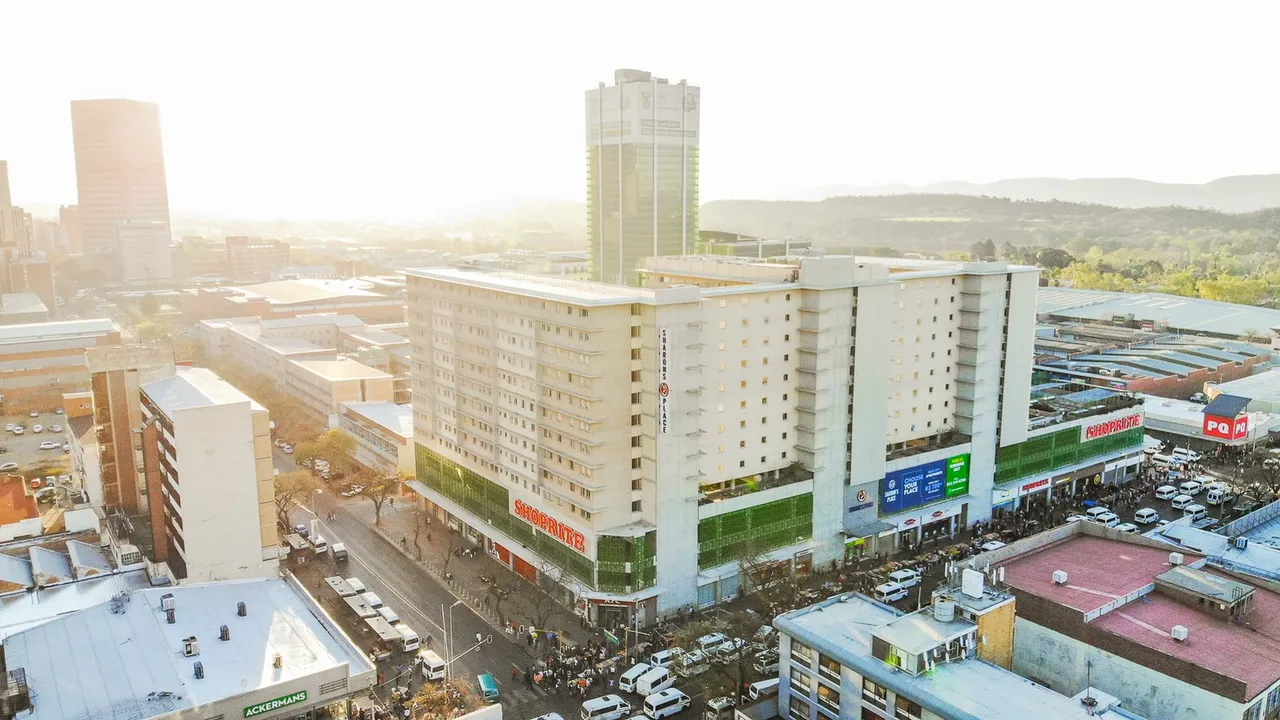
The real estate investment trust (REIT), which owns 199 properties across Tshwane and Johannesburg, reported a portfolio valuation of R11.1 billion, including its equity-accounted joint venture.
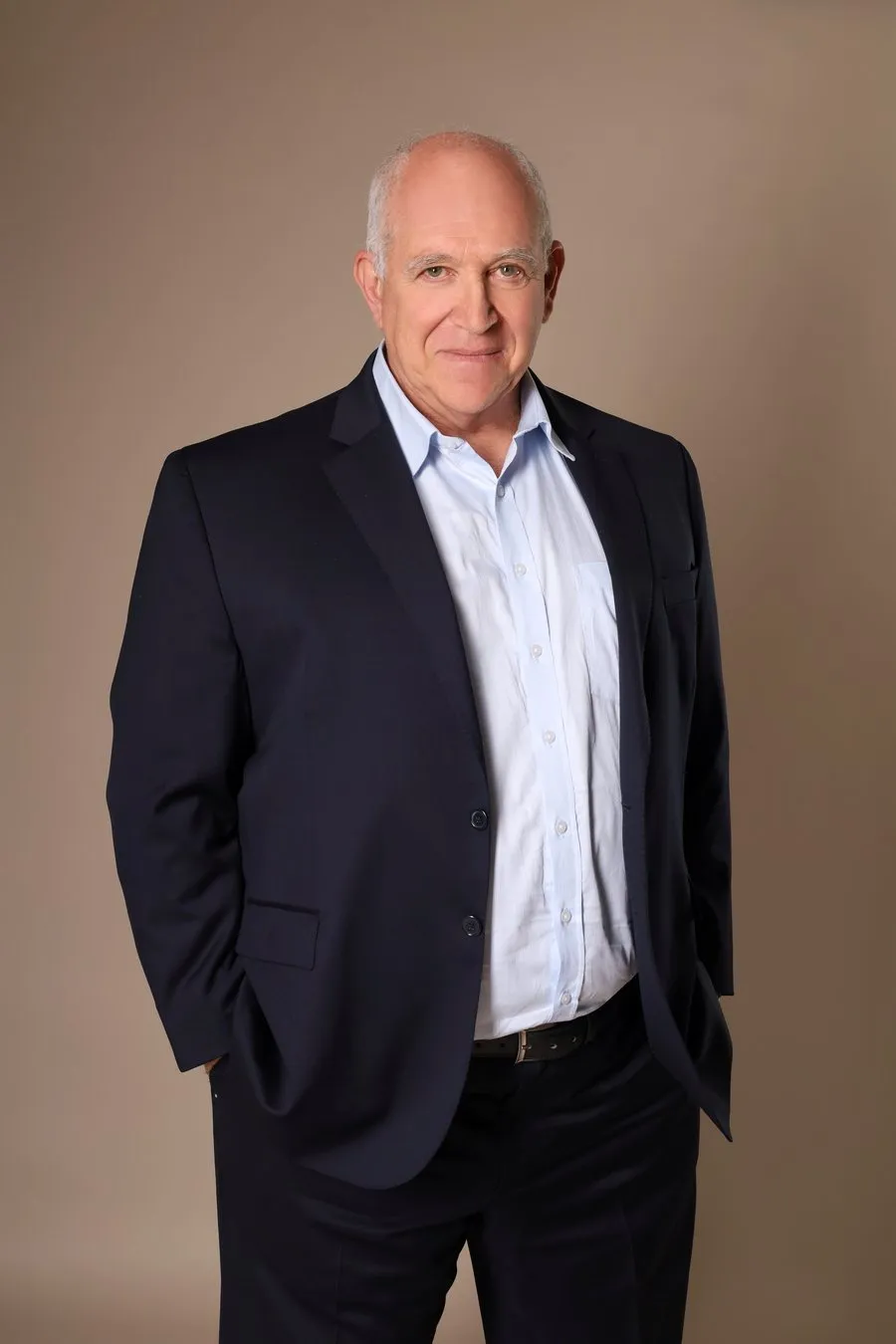
Led by CEO Jeffrey Wapnick, Octodec is repositioning its portfolio towards larger, income-producing residential buildings, neighbourhood shopping centres and industrial properties, while reducing exposure to underperforming assets.
FY2026 investment snapshot
| Financial indicator | FY2026 result |
|---|---|
| Distributable income per share | 192.36c (+12.2%) |
| Total dividend per share | 149.97c (+11.5%) |
| Revenue | R2.23bn (+2.6%) |
| Net property income | R1.01bn (+4.2%) |
| Residential rental income | R594.7m (+6.5%) |
| Residential vacancy | 6.8% (from 8.0%) |
| Properties disposed during FY2026 | 20 / R202m |
| Outstanding borrowings | R4.07bn |
| SA REIT loan-to-value | 36.1% |
| FY2027 DIPS growth guidance | 4% - 6% |
Source: Octodec FY2026 results, released 24 November 2026.
The board declared a final dividend of approximately 85.5 cents per share, bringing the annual distribution to 149.97 cents.
“We made further progress in strengthening Octodec this year. Our residential portfolio delivered good growth, collections remained strong and disciplined cost and funding management supported increased earnings,” says Wapnick.
1Residential: Affordable rentals drive growth
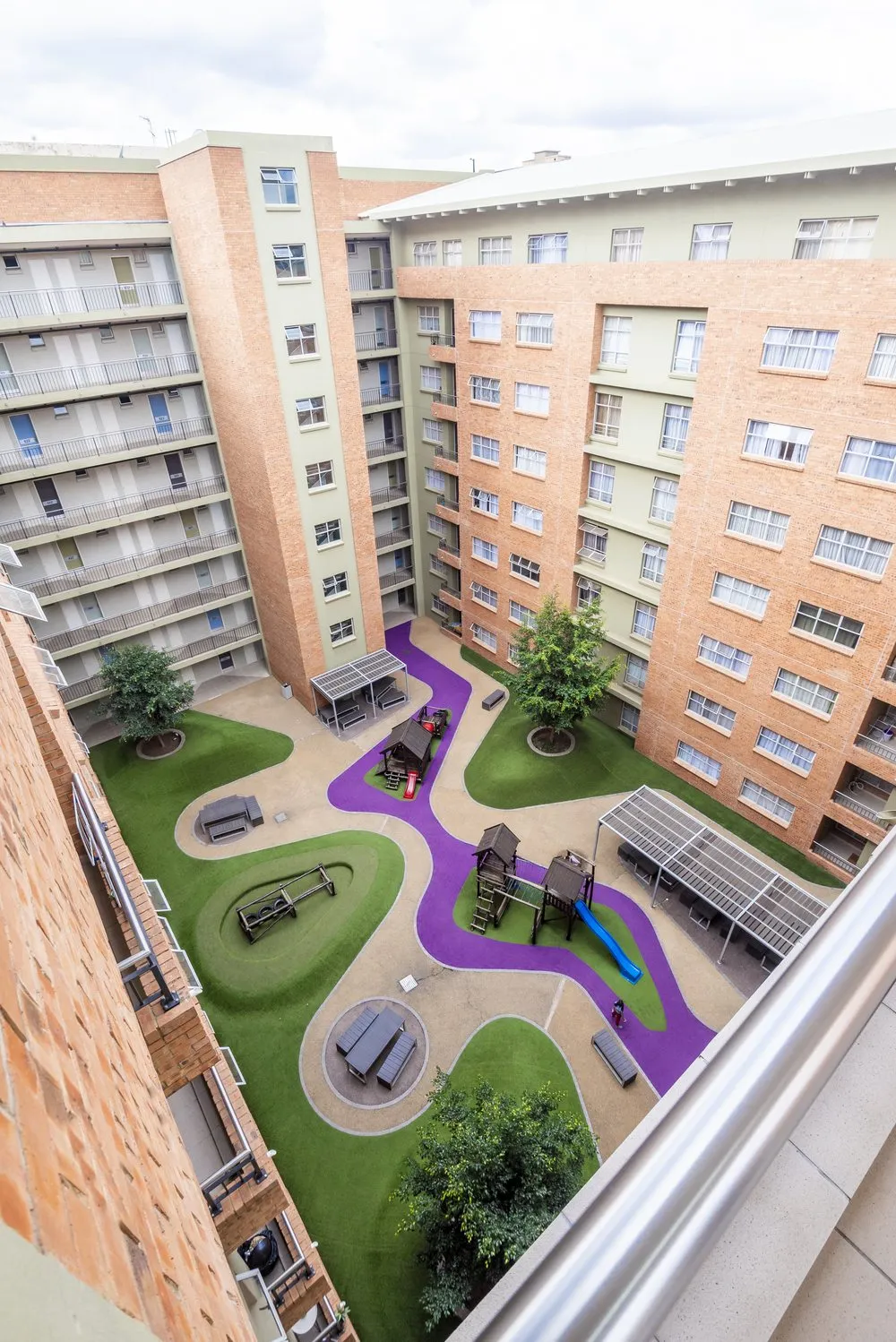
Octodec’s residential portfolio remains a key earnings contributor, benefiting from demand for secure, well-maintained and affordable accommodation in established urban locations.
Residential performance highlights
- Rental growth Income increased 6.5% to R594.7 million.
- Lower vacancies Residential vacancies improved from 8.0% to 6.8%.
- The Fields, Hatfield Rental income rose 14.1%, with vacancies declining from 7.2% to 2.4%.
- Furnished accommodation The conversion of 88 apartments at The Fields supported higher rental income.
- Yethu City on Sisulu Contributed a full year of rental income and achieved EDGE Advanced certification.
During the FY2026 results presentation, Wapnick highlighted how technology is improving leasing efficiency, tenant screening and occupancy. He said The Fields, comprising approximately 1,400 beds, achieved full occupancy by the end of February 2026.
Management is also exploring further Yethu City residential conversions, including opportunities within existing office properties. The strategy reflects Octodec’s belief that affordable urban accommodation can deliver sustainable returns when supported by efficient management and appropriate technology.
2Retail performs strongly, but offices remain under pressure
Octodec’s commercial portfolio produced mixed results, highlighting the importance of asset selection and active management.
Neighbourhood convenience shopping centres continued to outperform, while office vacancies and selected industrial properties weighed on income.
Commercial portfolio highlights
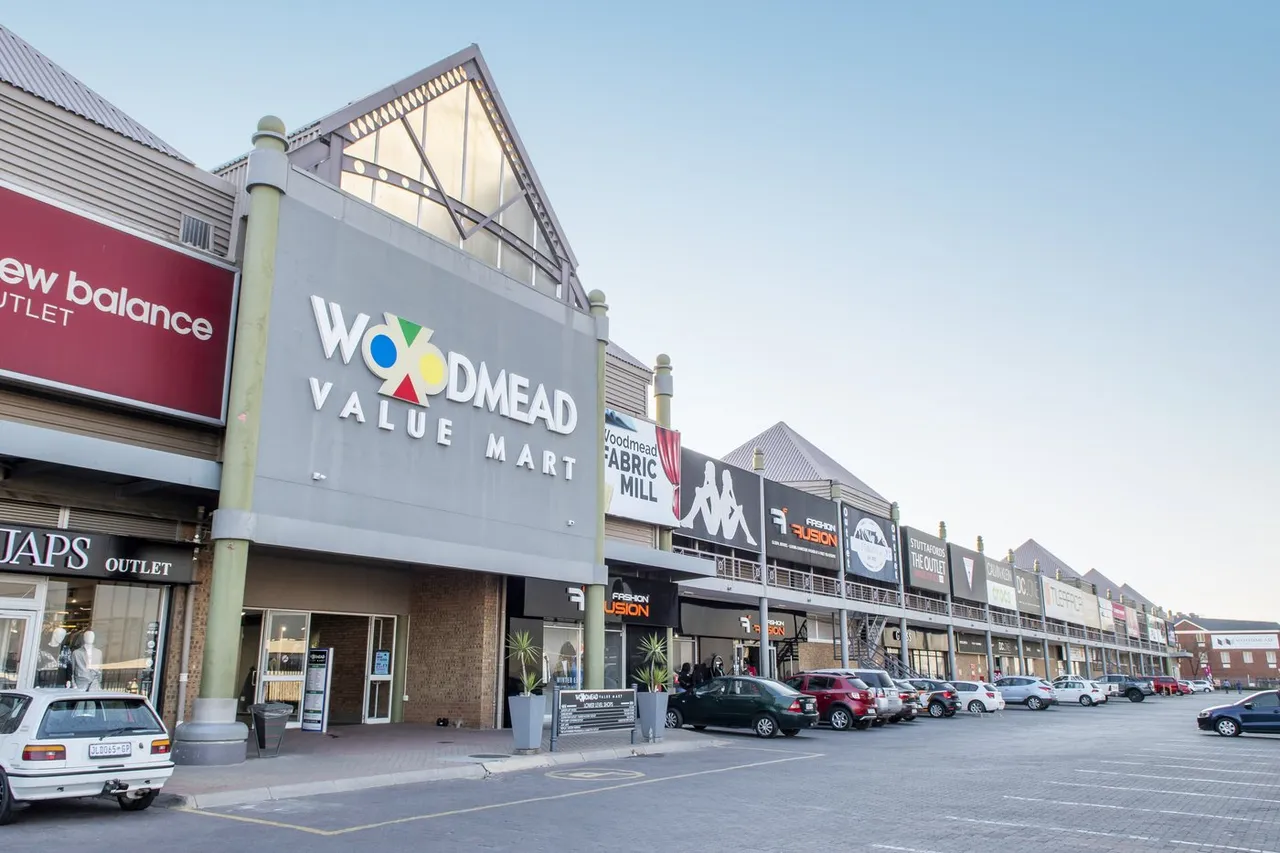
- Shopping centres Rental income increased 6.0%, with Woodmead Mart achieving 11.4% growth.
- Retail occupancy Shopping centres excluding Killarney Mall were 97% let at year-end and fully let subsequently.
- Street retail Like-for-like rental income increased 4.1%, with vacancies improving to 11%.
- Offices Rental income declined 2.2%, while core vacancies increased to 25.5%.
- Industrial Rental income declined 6.8%, largely reflecting the vacancy at Talkar.
Octodec is investigating alternative uses for selected office properties, including residential conversions and smaller office formats. The company is also assessing the disposal of Talkar, which falls outside its longer-term strategic focus.
The reopening of Johannesburg’s Lilian Ngoyi Street is expected to improve accessibility and trading conditions for affected properties, although the financial benefits remain to be demonstrated.
3Property disposals unlock capital and reduce debt
A central pillar of Octodec’s strategy is to simplify its portfolio by selling smaller, non-core properties and concentrating management resources on larger assets.
Capital recycling highlights
- 20 properties sold R202 million in gross proceeds during FY2026.
- Exit yield Disposals achieved a weighted average yield of 9.1%.
- Two-year progress 37 properties transferred over the two financial years to August 2026.
- Killarney Mall Transferred on 2 November 2026 for R397.5 million.
- Capital investment R151.6 million allocated to developments, improvements and major tenant installations.
During the results presentation, management indicated that approximately 25% of the remaining properties, measured by asset count, are still being considered for disposal.
Agreements have been signed for another 10 properties with a carrying value of approximately R230 million, although transfers remain subject to completion. Octodec concluded no acquisitions during FY2026, preferring to strengthen its balance sheet and invest selectively.
4Lower debt strengthens financial flexibility
Improved funding costs and property disposals helped Octodec reduce borrowings and strengthen its financial position.
Balance sheet highlights
- Borrowings Declined from R4.33 billion to R4.07 billion.
- Loan-to-value Improved to 36.1%, approaching the 35% long-term target.
- Net finance costs Declined 9.4% to R360.4 million.
- Funding cost Weighted average borrowing costs eased to 9.0%.
- Liquidity Unutilised banking facilities totalled R1.23 billion.
The company also refinanced R774 million of bank funding and issued R300 million in unsecured corporate bonds.
Riaan Erasmus, Deputy CEO and Financial Director, says:
“Asset disposals, cash retention and active treasury management have improved our financial flexibility. Our priority is to preserve that strength while funding essential property expenditure and investments that can support sustainable earnings growth.”
5The next growth opportunity: Urban regeneration
Beyond asset disposals, Octodec sees opportunities to unlock value through property conversions, technology and redevelopment. Management highlighted several strategic priorities during its results presentation:
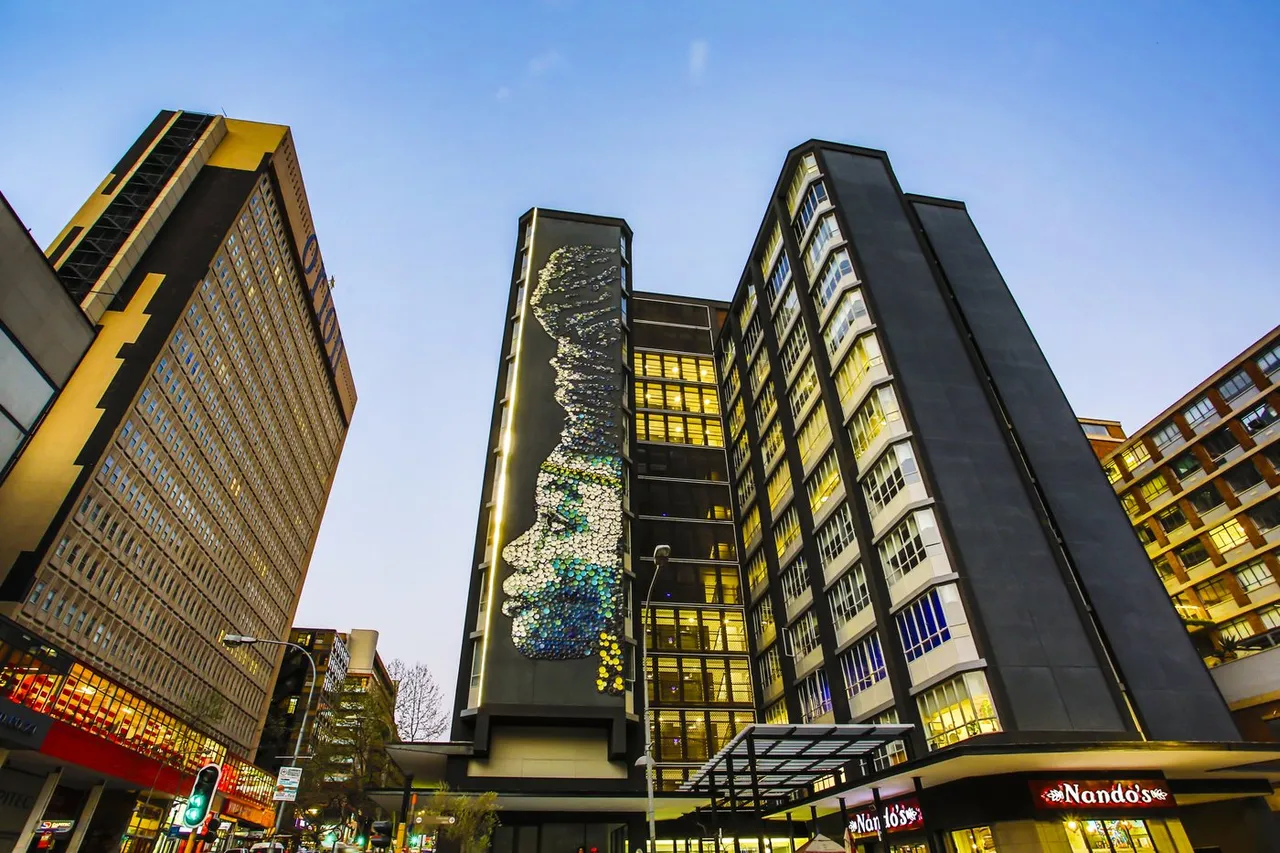
- Yethu City expansion Further affordable residential conversions are being investigated, including a proposed development of approximately 500 units.
- Potential development pipeline Management estimates opportunities for approximately R1 billion of investment in similar residential schemes over time.
- Technology Improved leasing systems aim to accelerate tenant placement and reduce vacancies.
- Office repositioning Underutilised properties may be converted into residential or alternative commercial uses.
- Infrastructure resilience Continued investment in water, electricity and building improvements.
Wapnick acknowledged that municipal infrastructure failures remain an operating challenge, particularly in Johannesburg and Tshwane. Planning approvals also present obstacles to further residential development.
6Outlook: Further earnings growth expected in FY2027
Octodec expects its repositioning strategy to continue supporting earnings, although tenant affordability, municipal infrastructure and commercial vacancies remain challenges.
FY2027 priorities include
- Reduce vacancies and improve rental collections.
- Complete further non-core property disposals.
- Continue selective redevelopment and renewable energy investment.
- Strengthen the balance sheet and maintain funding discipline.
- Deliver projected DIPS and distribution growth of 4%–6%.
“We have clear priorities for the year ahead. By improving occupancy, releasing capital from non-core assets and investing selectively, we aim to build a portfolio that delivers dependable income and stronger long-term returns for shareholders,” Wapnick concludes.
REI PERSPECTIVE: A leaner portfolio with stronger income potential
Octodec’s FY2026 results demonstrate the value of disciplined capital recycling, active asset management and targeted investment in affordable residential accommodation.
However, the 12.2% earnings increase should be viewed alongside more modest revenue growth of 2.6%, rising bad debts of R60.2 million and continued pressure on office occupancy.
Lower finance costs and an insurance settlement also contributed to the year’s performance. For REIT investors, the key question is whether Octodec can translate its improving balance sheet and portfolio restructuring into sustained organic rental growth.
The bottom line: Octodec is becoming a more focused property investment business, with residential and convenience retail supporting earnings while non-core disposals release capital. The next test will be reducing vacancies, improving underlying rental income and delivering consistent shareholder distributions.
Sources: Octodec Investments Limited FY2026 results announcement, 24 November 2026; Octodec FY2026 management results presentation and Q&A.