









Extreme weather: The hidden risks to property investors
Listen · 1-minute summary
0:00 / 1:28
Read the summary
Extreme weather: The hidden risks to property investors. Floods, droughts and severe weather are putting pressure on South African property. The real risk may sit with an individual building. Santam reported R1.5 billion in catastrophe and large losses in the first half of 2026. That compares with R144 million in the corresponding period of 2025. Laurette Coetzee of Esri South Africa says the industry must look at individual properties. She said: "Two properties situated just metres apart can have vastly different risk profiles depending on elevation, drainage, proximity to waterways, terrain and surrounding infrastructure." Flooding, water shortages and blocked access can hurt rental income, maintenance budgets and tenant retention. A high gross rental yield means little if environmental risks keep eroding net return. Location intelligence, using geographic information systems, can help investors spot flood exposure and drainage problems before they buy. It can also show whether several properties face the same weather event. But technology cannot replace physical inspections and professional due diligence. Investigate the risks surrounding the property itself. Read the full story by Neale Petersen on rei.co.za.
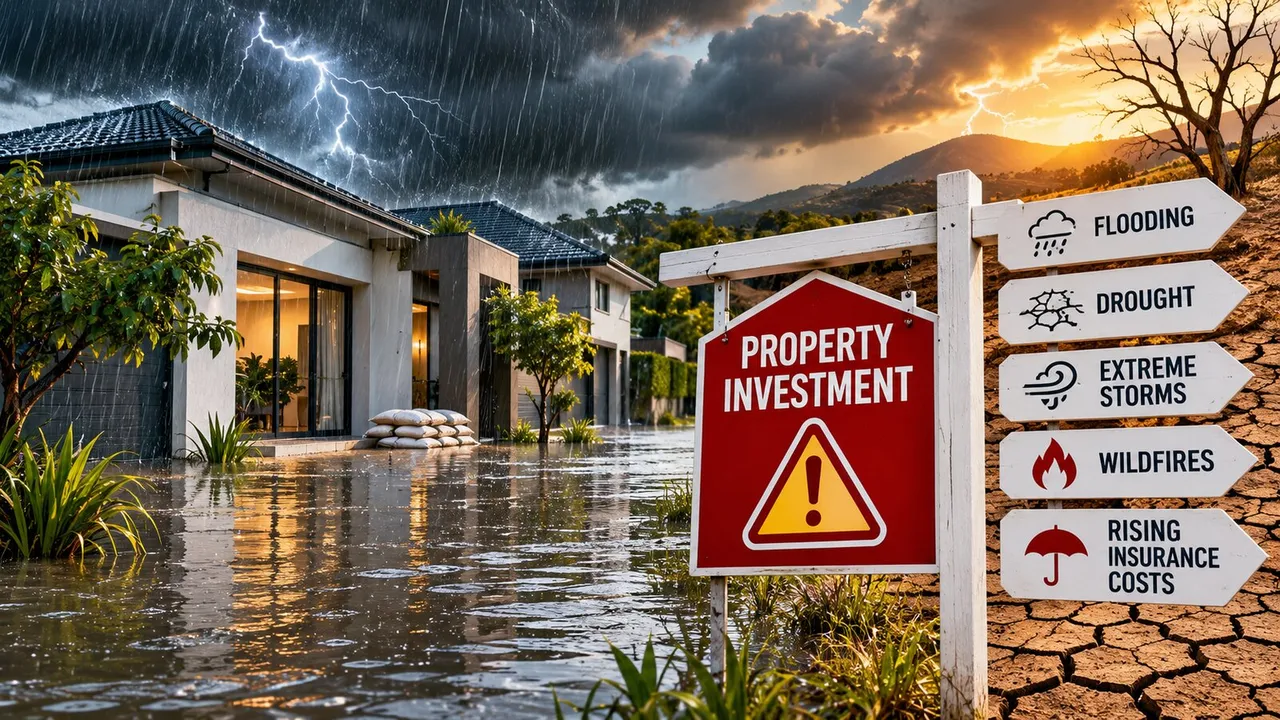
As floods, droughts and extreme weather threaten South African property, location intelligence is becoming essential to protecting assets, managing insurance costs and investment returns.
- Climate risks are escalating Extreme weather and rising catastrophe losses are putting pressure on property insurance, asset values and investment returns.
- Location matters more than ever Two properties in the same street can face vastly different flood, drainage and infrastructure risks.
- Smarter due diligence protects capital Property-level intelligence helps investors identify hidden risks, assess insurance exposure and prioritise preventative maintenance.
Introduction: When location becomes a financial risk
Location has always been one of the golden rules of property investment. But as extreme weather events become a growing concern across South Africa, investors are discovering that choosing the right suburb is no longer enough. The real risk may lie in the precise location of an individual building.
Recent severe-weather warnings across KwaZulu-Natal, together with concerns about potential El Niño-related rainfall pressures and water security in the Western Cape, highlight the growing importance of understanding environmental exposure before acquiring or insuring property. The financial consequences are already significant.
Santam reported R1.5 billion in catastrophe and large losses during the first half of 2026, compared with R144 million in the corresponding period of 2025, illustrating the potential financial impact of major loss events on the insurance industry.
For property investors, landlords, developers and managing agents, the implications extend beyond insurance premiums. Flooding, infrastructure failures, water shortages and disrupted access can affect rental income, maintenance costs, tenant retention and long-term property values.

According to Laurette Coetzee, Senior Account Manager at Esri South Africa, the industry needs to move beyond broad geographical risk assessments towards understanding the vulnerabilities of individual properties.
1Why two properties in the same street can carry different risks
Coetzee believes that property-level intelligence is becoming increasingly important in understanding and managing environmental risks.
“Two properties situated just metres apart can have vastly different risk profiles depending on elevation, drainage, proximity to waterways, terrain and surrounding infrastructure.”
A property on elevated ground may escape flooding while another building a short distance away suffers substantial damage because of inadequate drainage or its proximity to a watercourse.
Five factors that can change a property’s risk profile
- Elevation Low-lying properties may face greater exposure to flooding and stormwater accumulation.
- Drainage Poor stormwater infrastructure can increase the likelihood of water damage.
- Waterways Proximity to rivers, streams and floodplains may create additional exposure.
- Surrounding infrastructure Roads, retaining walls, municipal services and neighbouring developments can influence vulnerability.
- Access Flooded roads or damaged infrastructure may prevent tenants, customers and emergency services from reaching a property.
The key lesson is that suburb-level statistics can conceal material differences between individual assets.
2The insurance implications: Understanding the true exposure
As insurers assess the impact of severe weather, increasingly detailed geographical information can improve how individual properties are evaluated.
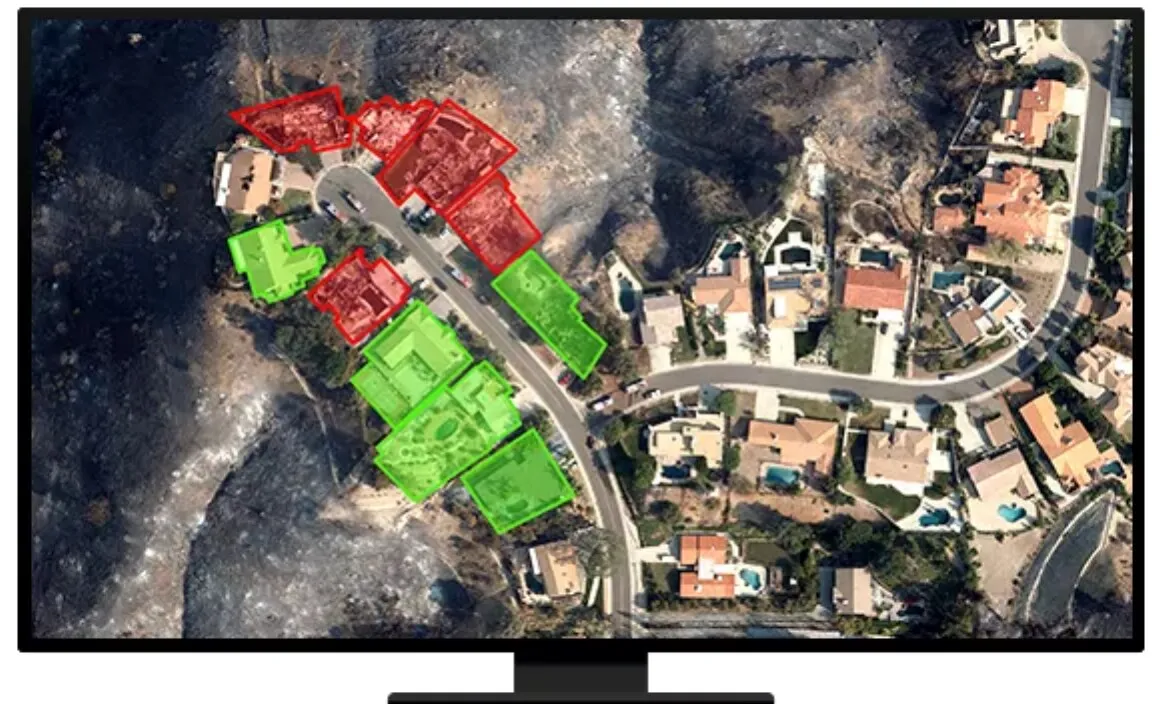
Traditional assessments based primarily on suburbs or postal codes may not adequately capture variations in exposure.
Coetzee explains: “Property-level intelligence allows insurers to move beyond generalised risk assumptions by understanding the unique environmental characteristics and vulnerabilities of each insured asset.”
By combining accurate property locations with environmental and geospatial information, insurers can assess risks more precisely.
What this means for insurers and property owners
- More informed underwriting Assessing the specific exposure of individual buildings rather than relying solely on regional averages.
- Better risk pricing Identifying characteristics that may influence insurance premiums, deductibles and coverage conditions.
- Accumulated exposure Understanding how many insured properties could be affected by the same weather event.
- Proactive prevention Identifying where drainage improvements, flood barriers or other protective measures could reduce potential losses.
For investors, the implications are significant. A property that appears attractively priced could become substantially more expensive to own if insurance costs, exclusions or recurring damage are not properly assessed.
Importantly, more precise risk assessment does not automatically mean lower premiums. It may also reveal vulnerabilities that require additional mitigation or affect the availability of cover.
3The hidden costs that can undermine property returns
Extreme weather can affect an investment long before a building suffers major structural damage. A commercial property may remain physically intact but become inaccessible because surrounding roads are flooded. A residential development may experience recurring drainage problems that increase maintenance expenditure.
A rental property may suffer water interruptions or infrastructure failures that affect tenant satisfaction and occupancy.
Potential financial consequences include
| Risk | Potential investment impact |
|---|---|
| Flood damage | Repairs, excess payments and potential insurance claims |
| Water shortages | Additional infrastructure costs and possible tenant disruption |
| Poor drainage | Recurring maintenance and deterioration |
| Road access failures | Lost trading activity or reduced property accessibility |
| Infrastructure breakdowns | Service interruptions and operational expenses |
| Higher insurance costs | Reduced net operating income and investment returns |
For income-producing properties, these risks ultimately affect the most important investment metric: the income remaining after operating expenses. A high gross rental yield means little if recurring environmental risks continually erode the property’s net return.
4How location intelligence can improve investment decisions
Geographic information systems (GIS) allow investors and property professionals to combine location data with information about terrain, infrastructure, environmental conditions and surrounding development.
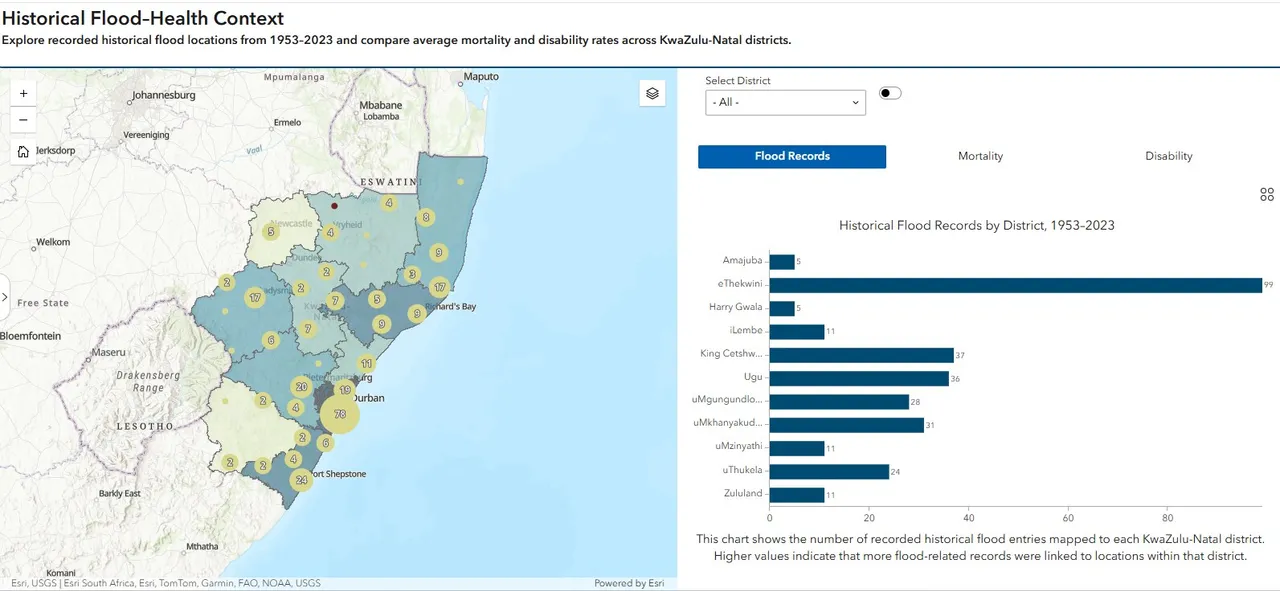
This creates a more detailed understanding of the characteristics that may affect an individual asset. According to Coetzee, combining precise property locations with detailed geospatial and environmental data can help insurers improve underwriting, assess accumulated exposure and identify opportunities to mitigate risk.
The same principles are increasingly relevant to property investment.
Four practical applications for investors
- Acquisition due diligence Identify potential flood exposure, drainage constraints, nearby infrastructure vulnerabilities and other environmental considerations before committing capital.
- Property valuation Incorporate location-specific risks into maintenance assumptions, operating expenses, insurance costs and long-term capital expenditure forecasts.
- Asset management Prioritise preventative maintenance, drainage improvements, waterproofing and resilience measures according to the property’s actual exposure.
- Portfolio risk management Assess whether multiple properties are concentrated in locations exposed to the same weather event, infrastructure failure or environmental hazard.
The objective is not to eliminate every risk, but to make better-informed investment decisions and allocate capital more effectively.
5Five checks every property investor should make before buying
Environmental risk assessment should become a standard component of property due diligence, alongside rental income, financing, tenant quality and building condition.
- Investigate flood and stormwater exposure Review available flood-risk information, property elevation, drainage routes and historical water-related incidents.
- Assess infrastructure reliability Examine water supply, stormwater systems, access roads and municipal service vulnerabilities.
- Review insurance conditions Obtain quotations and examine exclusions, excesses, special conditions and relevant weather-related cover.
- Budget for resilience Assess whether additional expenditure on drainage, waterproofing, water storage or infrastructure improvements may be required.
- Verify the data on site Use current, reliable geographical information alongside physical inspections and professional assessments.
Coetzee cautions that the value of property-level intelligence depends on the quality, currency and geographical detail of the underlying data.
Technology can reveal risks that deserve investigation, but it cannot replace proper physical inspections and professional due diligence.
6From reactive repairs to proactive property protection
For property investors and asset managers, the opportunity lies in moving from responding to damage after an event to identifying vulnerabilities before losses occur.
Rather than waiting for repeated flooding or infrastructure failures, owners can use detailed property information to determine where preventative expenditure could have the greatest impact.
This may involve relatively straightforward interventions such as improving drainage, maintaining gutters, protecting vulnerable entrances or reviewing emergency access arrangements.
For larger commercial and residential portfolios, location intelligence can also support more strategic decisions about future acquisitions, asset upgrades and exposure to particular geographic areas.
The investment principle is simple: understanding risk before acquiring an asset is generally more effective than discovering it after damage has occurred.
Conclusion: The right location is now about more than the suburb
South Africa’s evolving environmental risks are adding another dimension to property investment.
Traditional fundamentals such as purchase price, rental yield, capital growth and tenant demand remain essential. But increasingly, investors must also understand the physical and environmental characteristics of the assets they own.
As Laurette Coetzee’s insights demonstrate, two properties in the same neighbourhood can face very different risks and those differences can have meaningful financial consequences.
For investors, the message is clear: don’t simply investigate the market in which a property is located. Investigate the risks surrounding the property itself.
In an environment of increasing weather-related uncertainty, better location intelligence can help protect capital, improve investment decisions and strengthen long-term property resilience.
Source: Commentary supplied by Laurette Coetzee, Senior Account Manager, Esri South Africa.