







Municipal failures put property investment at risk
South Africa’s municipal leadership faces mounting pressure to restore services as electricity failures, financial distress and infrastructure decay threaten property investment.
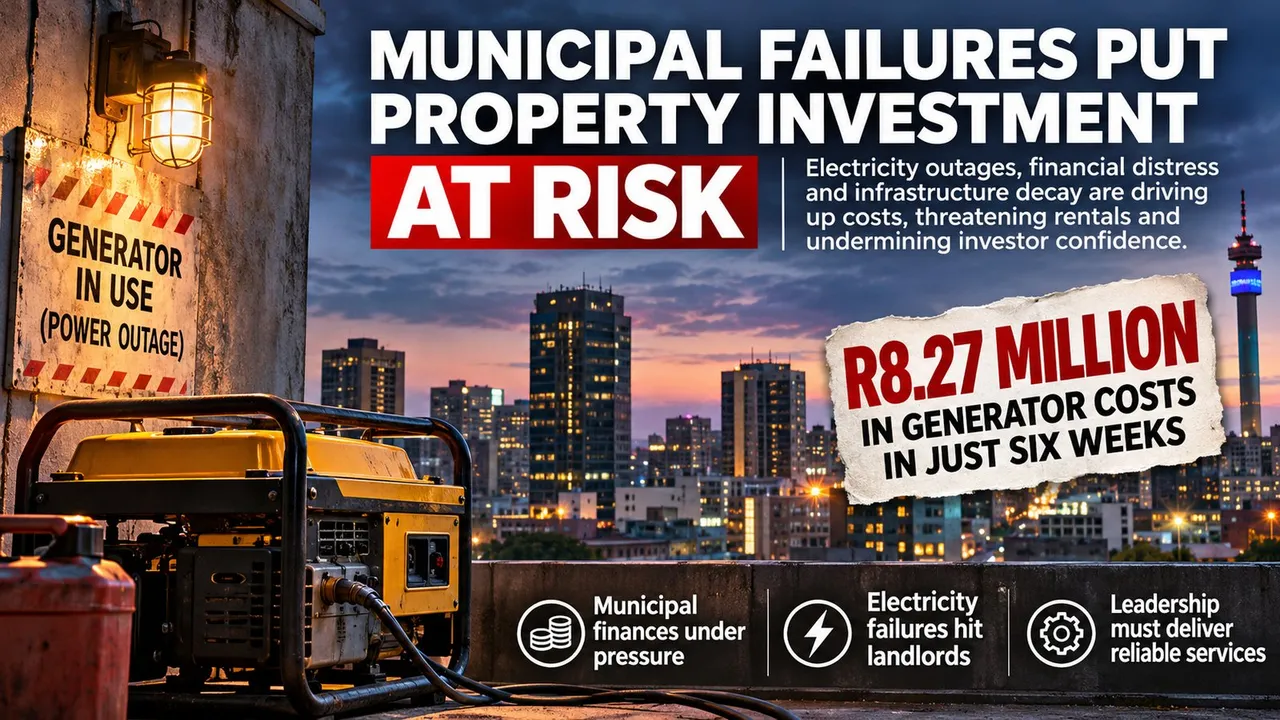
- Municipal finances under pressure Financial distress and deteriorating infrastructure threaten essential services, property values and long-term investment confidence.
- Electricity failures hit landlords Johannesburg property owners reported approximately R8.27 million in generator costs over just six weeks.
- Leadership must deliver Industry experts demand accountable councils, reliable infrastructure and sustainable municipal finances to protect residential investment.
SA’s property market faces a municipal reality check
South Africa’s municipal leadership faces a critical test: restore financial stability, rebuild deteriorating infrastructure and deliver the basic services that underpin property investment and economic growth.
As municipalities confront governance uncertainty and mounting service-delivery pressures, property industry leaders warn that political changes alone will not reverse years of financial deterioration and infrastructure neglect.
For property investors, developers and landlords, the consequences are increasingly difficult to ignore. Unreliable electricity, water interruptions, deteriorating roads and dysfunctional municipal administration can undermine rental income, increase operating costs, discourage development and ultimately threaten property values.
Industry leaders contributing to discussions ahead of Reside Summit 2027 argue that municipal reform must move beyond political promises towards measurable service-delivery improvements.
1Municipal financial distress threatens investment
Leon Claassen, Managing Executive of Ratings Afrika, warns that financial instability across local government is undermining municipalities’ ability to maintain infrastructure and deliver essential services.

“The majority of municipalities in the country are experiencing financial distress, which severely undermines their ability to deliver adequate services and maintain essential infrastructure,” says Claassen.
He cautions that without meaningful governance and management reforms, municipal finances could deteriorate further, potentially resulting in service-delivery collapse.
The implications for property investors include
- Rising operating costs Infrastructure failures force landlords to fund backup electricity, water storage and additional maintenance.
- Weaker investment confidence Unreliable municipal services can discourage acquisitions, new developments and long-term capital commitments.
- Pressure on property values Persistent service deterioration can weaken demand and negatively affect asset performance.
- Growing municipal risk Financial instability raises concerns about infrastructure maintenance, revenue collection and future service reliability.
For investors, municipal financial health is becoming an increasingly important consideration when evaluating property opportunities.
2Coalition stability must translate into service delivery
Zodidi Meyiswa, Senior Advisor: Human Settlements at the South African Local Government Association (SALGA), says reliable basic services, financial sustainability and accountable leadership must be priorities for municipal administrations.

“Political leadership may change, but municipalities must continue to function. Incoming councils need to establish stable governance arrangements and agree on clear delivery priorities, while ensuring that essential services, maintenance programmes and financial management continue regardless of changes in political leadership,” says Meyiswa.
She identifies several priorities for effective municipal governance:
- Financial discipline Improve billing, revenue collection and expenditure management.
- Infrastructure maintenance Protect budgets for maintaining existing electricity, water and sanitation systems.
- Administrative competence Strengthen professional management and clarify political and administrative responsibilities.
- Water security Ensure funding reaches essential water services and hold responsible officials accountable.
- Investment readiness Create stable conditions that encourage private development and local economic activity.
Meyiswa also highlights the need to address spatial inequality, climate resilience and longer-term infrastructure requirements. The central challenge is ensuring that political agreements produce functioning administrations rather than prolonged uncertainty.
3Joburg landlords spend R8.27 million keeping lights on
The financial consequences of failing municipal infrastructure are particularly visible in Johannesburg’s inner-city residential market.
Angela Rivers, Managing Director of the Johannesburg Property Owners and Managers Association (JPOMA), warns that recurring electricity interruptions are placing substantial pressure on landlords and tenants.

“A tenant’s decision to stay in an inner-city apartment depends on more than the rent, the location or the quality of the building. It also depends on whether daily life works: whether they can cook, study, work, access water and feel secure in their home,” says Rivers.
According to information submitted by several JPOMA members as at 14 October 2026, generator expenditure reached approximately R8.27 million over six weeks during September and early October. The figure represents only participating property owners, not the entire inner-city market.
Electricity failures create four immediate investment risks
- Higher operating expenses Generator fuel, maintenance and emergency repairs reduce net rental income.
- Tenant retention pressure Repeated outages disrupt daily living and can make rental accommodation less attractive.
- Building functionality Lifts, pumps, security systems and internet connectivity may be compromised.
- Deferred investment Emergency expenditure competes with planned maintenance, upgrades and property improvements.
Rivers acknowledges that no verified measure currently establishes how many tenants have left specifically because of electricity interruptions. Nevertheless, she warns that persistent outages threaten the long-term viability of affordable inner-city accommodation.
“Property owners can invest in buildings and tenant services, but retaining residents also depends on municipal infrastructure that works,” she says. JPOMA continues engaging City Power on infrastructure renewal, electricity restoration, security and improved communication.
4Infrastructure failure threatens new housing development
Municipal dysfunction does not only affect existing buildings. It also influences whether developers and financiers are prepared to invest in new housing.
Debbie Tagg, CEO of Reside Summit, warns that South Africa’s housing shortage cannot be addressed sustainably without functioning municipal infrastructure.
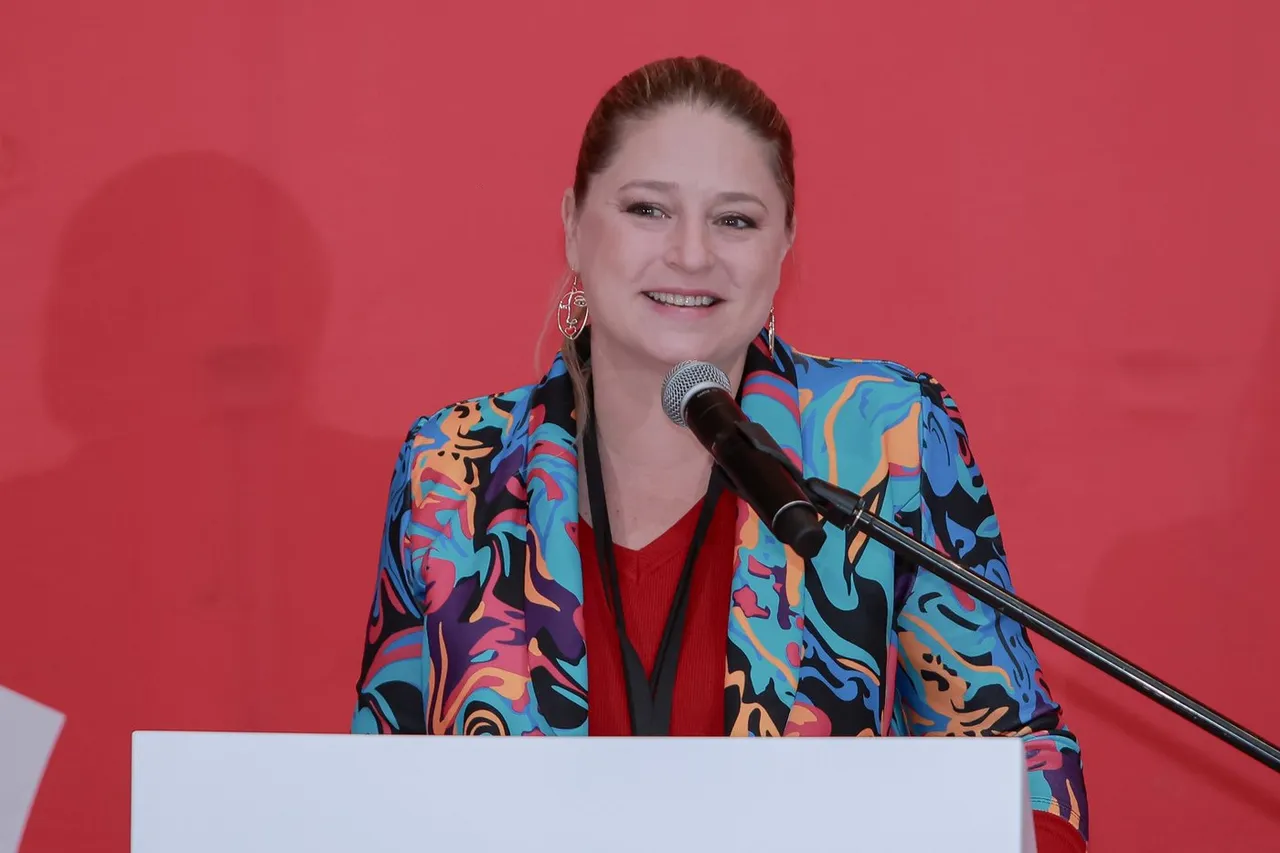
“There is capital, development expertise and a significant housing need. But for housing investment to be feasible, it must be sustainable: no sensible investor will fund homes that will quickly deteriorate into unliveable conditions,” says Tagg.
Her warning highlights a fundamental development challenge: housing investment requires more than available land, finance and construction capacity.
Developers also need confidence that municipalities can provide reliable services throughout a property’s operating life.
Three priorities are essential
- Infrastructure certainty Reliable electricity, water, sanitation and access infrastructure must support new developments.
- Public-private cooperation Municipalities, developers and financiers need coordinated planning and implementation.
- Long-term sustainability Housing must remain safe, functional and financially viable after construction.
“Government, municipalities, developers and financiers must align and work together to correct the critical housing shortfall,” Tagg adds.
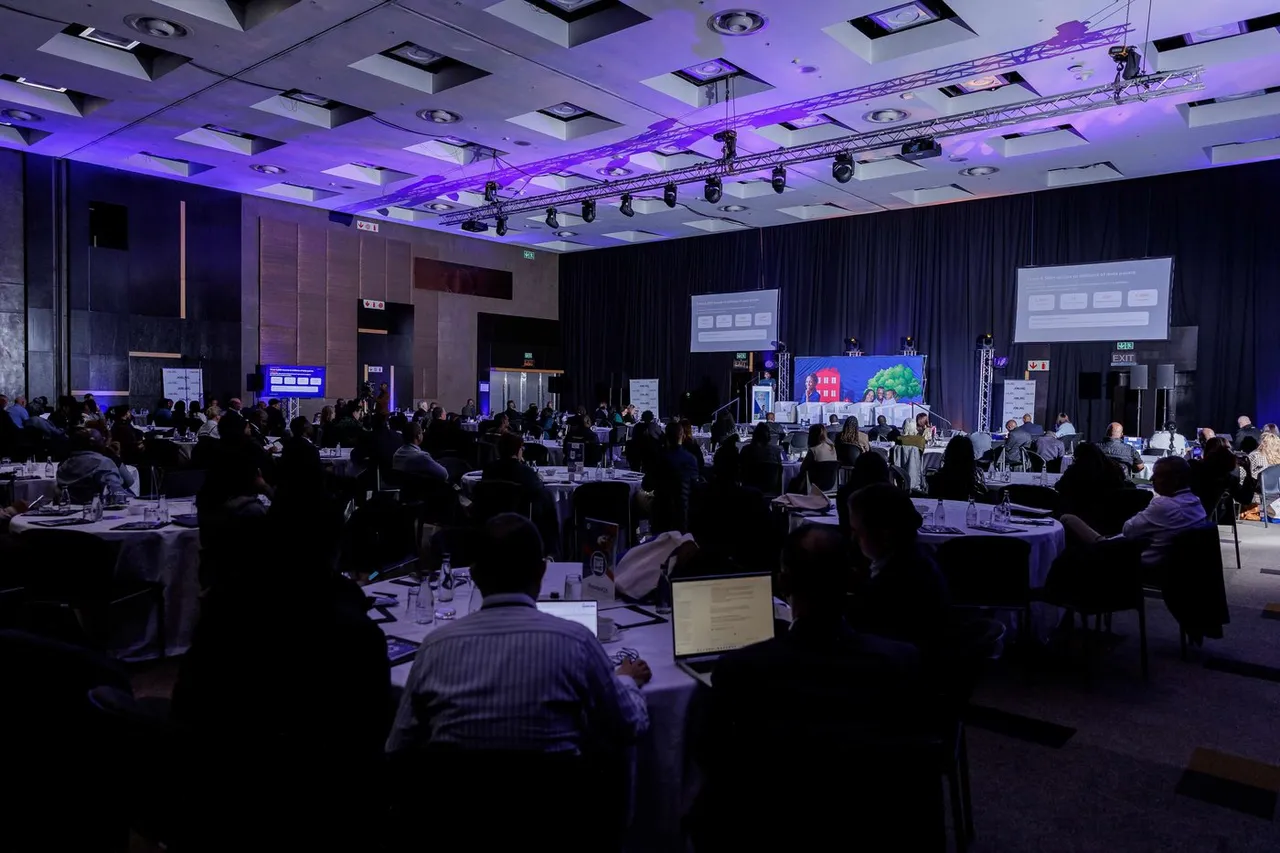
These challenges will feature in industry discussions ahead of Reside Summit 2027, taking place at Gallagher Convention Centre, Midrand, on 19 - 20 May 2027.
5REI PERSPECTIVE: Service delivery is now an investment fundamental
For South African property investors, municipal performance can no longer be treated as a secondary consideration. A property’s purchase price, rental yield and location remain important, but they tell only part of the investment story.
Investors should increasingly assess
- Municipal financial health Can the municipality fund and maintain essential services?
- Infrastructure reliability What is the frequency and cost of electricity and water interruptions?
- Operating cost exposure How much additional capital is required for backup systems and maintenance?
- Long-term demand Are service failures affecting tenant retention, business activity and investment confidence?
A seemingly attractive acquisition yield can quickly deteriorate when infrastructure failures introduce unexpected costs and prolonged vacancies.
Bottom line: Property investment needs functioning cities
South Africa does not lack property investment opportunities, development expertise or housing demand. What increasingly threatens sustainable growth is the inability of some municipalities to deliver the infrastructure and services on which property markets depend.
The measure of effective municipal leadership will not be political agreements or election promises. It will be functioning infrastructure, financially sustainable councils and communities where people and businesses want to invest.
For investors, the message is equally clear: before investing in the property, investigate the municipality.
Source: Industry commentary from Ratings Afrika, SALGA, JPOMA and Reside Summit 2027.