






Legally managing delinquent tenants, the right way
- 89% of tenants settle arrears within 25 days after a formal Letter of Demand.
- 98% of Xpello cases resolve without full eviction through proactive negotiation.
- Structured legal processes protect cash flow and reduce costly delays.
When Rent Stops: Process beats panic
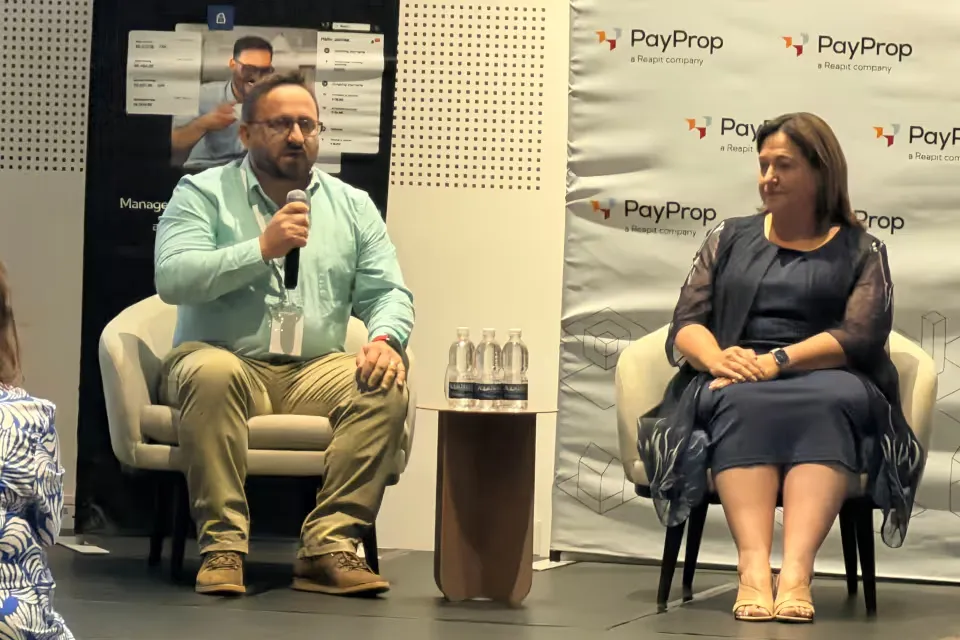
At a recent PyProp Roadshow in Cape Town, Johan de Bod, Head of Litigation at Koeglenberg Attorneys, and Elize le Roux, CEO of Xpello, unpacked what landlords and agents must understand about managing defaulting tenants, legally, strategically and without unnecessary financial damage.
Their message was clear: delinquency is not just a legal issue. It’s a risk management issue and timing is everything.
The Legal Engine Room
Koeglenberg Attorneys specialises in litigation and eviction processes. Their role begins once formal legal steps are triggered, most commonly through a Letter of Demand (LOD).
According to Johan de Bod, the data is compelling:
- 89% of tenants settle arrears in full within 25 business days after receiving a formal LOD.
- 20% remedy the breach within 48 hours.
Those figures underline one key principle: a properly structured, automated Letter of Demand is not aggressive, it is effective.
“Your solution is tied up in that rental,” de Bod explained. “The sooner you act, the sooner you protect your cash flow.”
Managing the risk before litigation
Xpello was created to bridge the gap between breach and eviction, a space where many landlords lose both time and money. Elize le Roux explained that eviction is often not the first or best solution.
“We don’t start with ‘When will you pay?’” she said. “We start with ‘Why didn’t you pay?’’ That shift in mindset matters. If a tenant has lost employment, simply collecting one payment won’t solve the long-term problem.
Xpello focuses on:
- Negotiation
- Voluntary vacation agreements
- Structured payment plans
- Relocation assistance
The result? A 98% success rate in resolving matters through remedy or voluntary exit, without full legal enforcement.
To date, Xpello has saved landlords R88 million in legal fees.
Step-by-Step: How the process works
1.Proactive Reminders
Before rent falls due, automated reminders should be sent. Five to seven days before month-end is ideal.
2. Arrears Trigger
If payment is not received, a formal Letter of Demand is issued immediately via an integrated system.
3. The 3 - 20 Day Window
Under the Consumer Protection Act, tenants must remedy a breach within the prescribed notice period (typically 20 business days for CPA leases). Acting early matters.
If you delay issuing the LOD, a habitual late payer can “catch up” just before cancellation becomes enforceable, forcing you to restart the process.
4. Identify the 11%
If 89% pay, the LOD helps identify the remaining 11% who require escalation.
5. Xpello Intervention
After the LOD period, Xpello engages directly:
- Multi-channel communication (email, WhatsApp, SMS)
- Problem analysis
- Negotiation
- Voluntary exit planning
Their goal: avoid eviction wherever possible.
6. Legal Escalation (Only if necessary)
If voluntary resolution fails, the file is prepared for panel attorneys.
Koeglenberg (or another instructed firm) proceeds with:
- Lease cancellation
- Eviction application
- Court process management
Importantly, de Bod emphasised: attorneys do not automatically take over after an LOD. Agents must issue clear legal instructions to proceed.
Why speed protects profit
De Bod shared a cautionary case: a tenant handed over 14 months in arrears.
The result? An additional month lost simply issuing the required Letter of Demand before cancellation could occur. That delay compounded losses significantly.
Early action does three things:
- Improves cash flow
- Identifies high-risk tenants
- Creates legal leverage sooner
Transparency and communication
A common myth is that tenants “didn’t receive” the Letter of Demand.
Integrated communication logs often show otherwise, including instances where notices were opened dozens of times. Documentation protects landlords.
Equally important is communication during enforcement. Xpello provides ongoing feedback and simplified updates to landlords and agents, an area where many clients historically feel disconnected from legal processes.
A Structured Ecosystem - Not a replacement model
Le Roux stressed that Xpello is not a substitute for attorneys.
“We work in sequence,” she explained. “Each role player has a role.”
The ideal flow
- Agent manages system and reminders
- LOD issued
- Xpello manages negotiation and voluntary exit
- Attorneys execute formal eviction if required
When structured correctly, the system protects both landlord and agent reputation, while minimising out-of-pocket losses.
The bigger lesson for agents
Delinquent tenant management is no longer about reactive evictions. It is about structured, integrated risk management.
Agencies that implement disciplined breach processes:
- Protect their rental book
- Improve landlord retention
- Differentiate themselves from fee-cut competitors
As le Roux concluded: “Consult the experts. Don’t try to handle it yourself.”Because in rental property, process is profit and delay is expensive.