









Construction mafia costs industry 63bn rand as enforcement lags
Listen · 1-minute summary
0:00 / 1:28
Read the summary
Construction mafia costs industry 63bn rand as enforcement lags. Construction-site extortion cost South Africa's building industry 63bn rand, or roughly $3.8bn, in project disruption during 2026, according to government figures. Public works minister Dean Macpherson blacklisted 52 companies linked to construction-site extortion in July 2026 as part of a crackdown. Deon van Zyl, chairperson of the Western Cape Property Development Forum, says criminal groups invade sites or threaten developers, contractors and workers, often demanding a share of the project. Police recorded 8,111 extortion cases nationally between January 2020 and May 2025, with only 3,362 arrests. Firoz Cachalia, acting minister of police, said South Africa does not yet "have all the answers to deal with extortion… the people who are being extorted are often afraid to report that they have been victims of crime because they fear for their lives." For developers, extortion is becoming a recurring cost sitting alongside land, construction and finance costs, with many now pricing private security and legal advice into project budgets. Read the full story by Neale Petersen on rei.co.za.
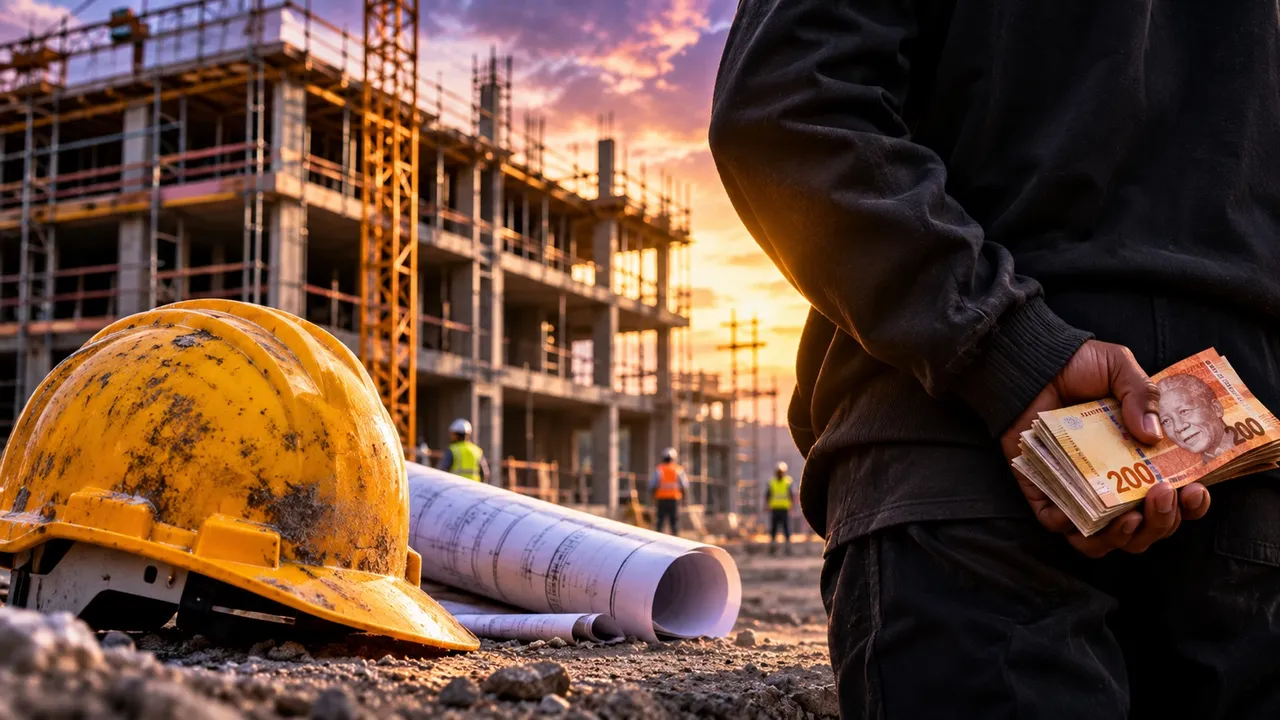
Construction-site extortion cost the industry 63bn rand ($3.8bn) in project disruption in 2026, yet arrests remain rare and victims still fear reporting incidents to police.
- Construction-site extortion cost South Africa's building industry 63bn rand ($3.8bn) in project disruption during 2026, according to government figures.
- Public works minister Dean Macpherson blacklisted 52 companies linked to construction-site extortion in July 2026 as part of a crackdown.
- Police recorded 8,111 extortion cases nationally between January 2020 and May 2025, with only 3,362 arrests, raising questions over enforcement.
Construction sites become extortion targets
Among the biggest extortion-related losses recorded in 2026, government figures put the cost of construction-mafia disruption to the industry at 63bn rand, or roughly $3.8bn. The figure puts a rand value on a risk that has become a routine line item for developers and contractors across South Africa.
Deon van Zyl, chairperson of the Western Cape Property Development Forum (WCPDF), says extortion has become an increasingly systemic problem on building sites.
"Construction and infrastructure remain among the most visibly and economically-affected sectors. Criminal groups invade sites or threaten developers, contractors and workers while demanding cash, security contracts, employment or a share of the project, often presented as a supposed entitlement to 30% of the contract value," Van Zyl says.
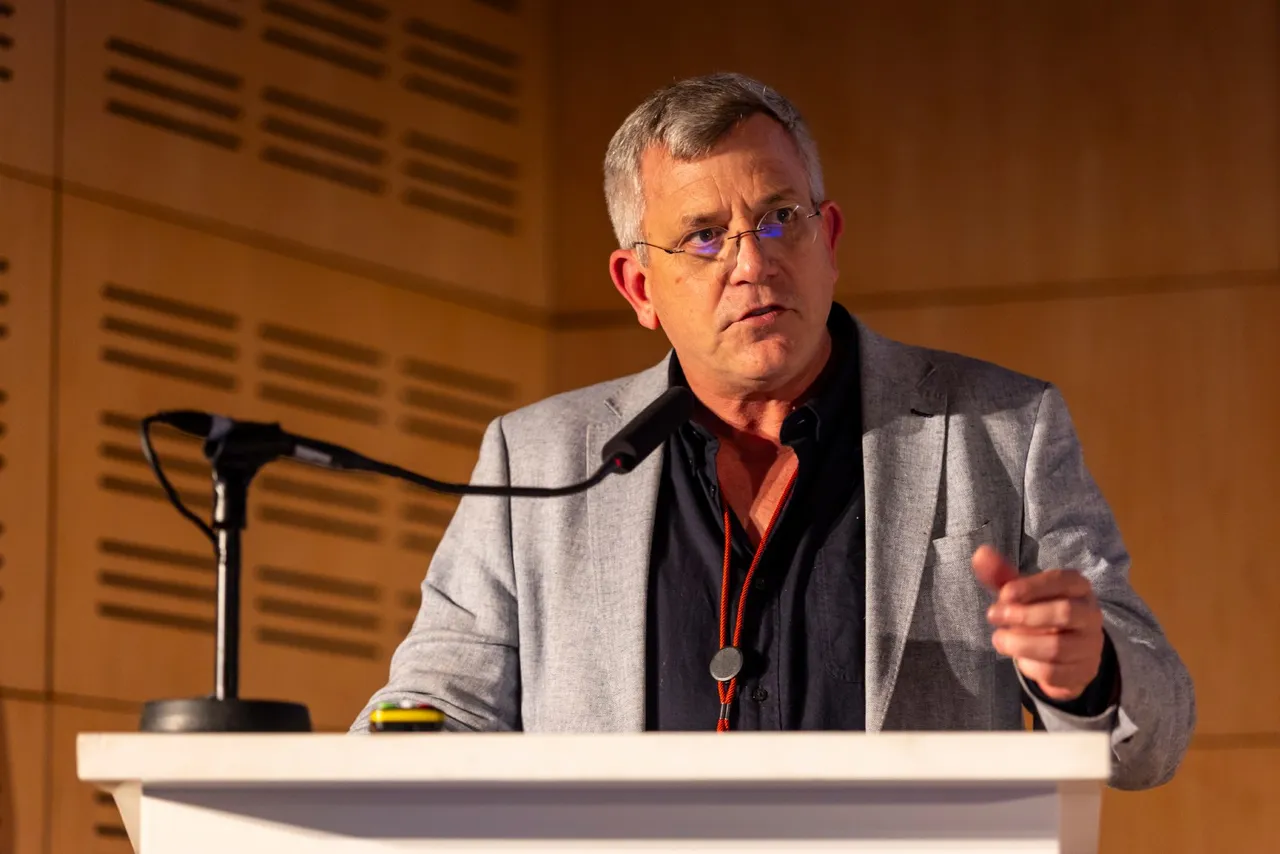
Van Zyl says the attention construction receives can obscure a wider pattern. "Construction seems to receive the greatest public attention because a single incident can stop a major project. However, the cumulative impact on thousands of smaller township businesses may be just as damaging and is far less visible."
Government blacklists dozens of firms
Government blacklisted 52 companies tied to construction-site extortion in July 2026, a crackdown announced by public works minister Dean Macpherson that targets criminal syndicates posing as "business forums". The move targets groups that use the language of community procurement to extract payments from developers and contractors.
For developers, a blacklist of this kind signals that some of the entities demanding a stake in projects, security contracts or employment quotas are now formally recognised as criminal fronts rather than legitimate stakeholders.
Extortion outgrows construction alone
Extortion is not confined to building sites. The Global Initiative Against Transnational Organised Crime (GI-TOC), an independent civil-society organisation headquartered in Geneva, reports that South Africa ranks seventh globally for organised criminality among 193 countries. South Africa scored 8.5 out of 10 for extortion and protection racketeering on GI-TOC's 2025 Organized Crime Index, a rise of 0.5 points since 2023.
Vanja Petrovic, head of Southern Africa at GI-TOC, tells African Business that the problem is spreading well beyond the sites where it first took hold. "What is particularly concerning is its spread. It is no longer confined to construction mafias or gang areas. It is expanding beyond metropolitan areas into smaller towns and rural regions," Petrovic says.
- World Bank estimate: South Africa loses at least 10% of GDP annually to crime of all types, with costs stemming from property theft, heightened security spending, rising insurance premiums and foregone investment.
- SARS estimate: Edward Kieswetter, until April South African Revenue Service (SARS) commissioner, says illicit economic activity may now account for 12% to 15% of GDP, with tax losses nearing 300bn rand, or around $18bn, every year.
Those figures describe the broader illicit economy rather than construction extortion alone, but they set the scale against which site-level extortion costs should be read.
Arrests remain rare despite thousands of cases
Senzo Mchunu, police minister at the time, said in May 2025 that nationally reported extortion cases totalled 8,111 between January 2020 and 16 May 2025, resulting in 3,362 arrests. Successful prosecutions are far fewer still.
Firoz Cachalia, who succeeded Mchunu as acting minister of police, said in June that South Africa does not yet "have all the answers to deal with extortion… the people who are being extorted are often afraid to report that they have been victims of crime because they fear for their lives."
A profound lack of trust between extortion victims and police was reported by Parliament's Portfolio Committee on Police following its March 2025 visit to the Eastern Cape, where it heard evidence that rogue police officers were themselves involved in extortion rings. In response, SAPS has established extortion investigation teams and a multi-disciplinary extortion intervention plan dating to 2023, alongside a national confidential anti-extortion hotline.
What this means for property investors
For developers and contractors, extortion risk is no longer a contingency line item. It is a recurring cost that sits alongside land, construction and finance costs, and it can determine whether a site proceeds on schedule at all.
Van Zyl's description of demands running to a supposed 30% stake in contract value points to a direct hit on project margins, before any allowance for delays. A stalled site carries its own cost, in extended finance charges, idle labour and penalty clauses on completion dates.
The gap between reported cases and arrests matters for budgeting. With 3,362 arrests from 8,111 reported cases nationally to May 2025, developers cannot assume that reporting extortion will quickly remove the threat from a site. Many are instead pricing private security, legal advice and, in some cases, payments to so-called business forums into project budgets from the outset.
The blacklisting of 52 companies by the Department of Public Works and Infrastructure gives developers a reference point when vetting forums or contractors that present themselves as community representatives, though it covers only a portion of the groups operating across the sector.
The REI take: enforcement remains the missing piece
South Africa has named the problem, measured parts of it and begun blacklisting some of the firms behind it. What it has not yet done, on the government's own admission, is convert reported cases into arrests and convictions at a scale that changes the economics for criminal syndicates.
Until that shifts, developers and contractors are likely to keep treating extortion as a cost of doing business rather than a risk that enforcement will remove.
The 63bn-rand disruption bill for 2026 is a measure of what enforcement gaps are already costing the industry, and until arrest and conviction rates close that gap, site security spend and schedule buffers will remain as much a part of project budgeting as land and construction costs.
Sources: Western Cape Property Development Forum; african.business