








Budget 2026: Bold relief needed to unlock growth
- Property confidence hinges on tax stability and infrastructure reform.
- Investor sentiment will track fiscal discipline and pro-growth policy.
- Bold relief measures could reignite residential and commercial demand.
All eyes on Budget 2026
As Finance Minister Enoch Godongwana prepares to deliver the 2026 National Budget today, the property sector is watching closely.
After several years of economic strain, elevated interest rates and infrastructure bottlenecks, the market is stabilising, but remains sensitive.
The question is simple: will Budget 2026 entrench recovery, or stall momentum?
Property is deeply interconnected with fiscal policy. Transfer duties, VAT, infrastructure investment, municipal stability, economic growth forecasts and business confidence all directly influence buying activity, development pipelines and lending appetite.
A pro-growth budget can unlock confidence. A defensive one risks prolonging stagnation.
Why the Budget matters to property
The property market is not just about bricks and mortar, it is a leading indicator of economic health.
When confidence rises:
- Developers launch new projects.
- Banks expand lending.
- Buyers commit to long-term debt.
- Commercial tenants scale operations.
When uncertainty rises, transactions slow almost immediately.
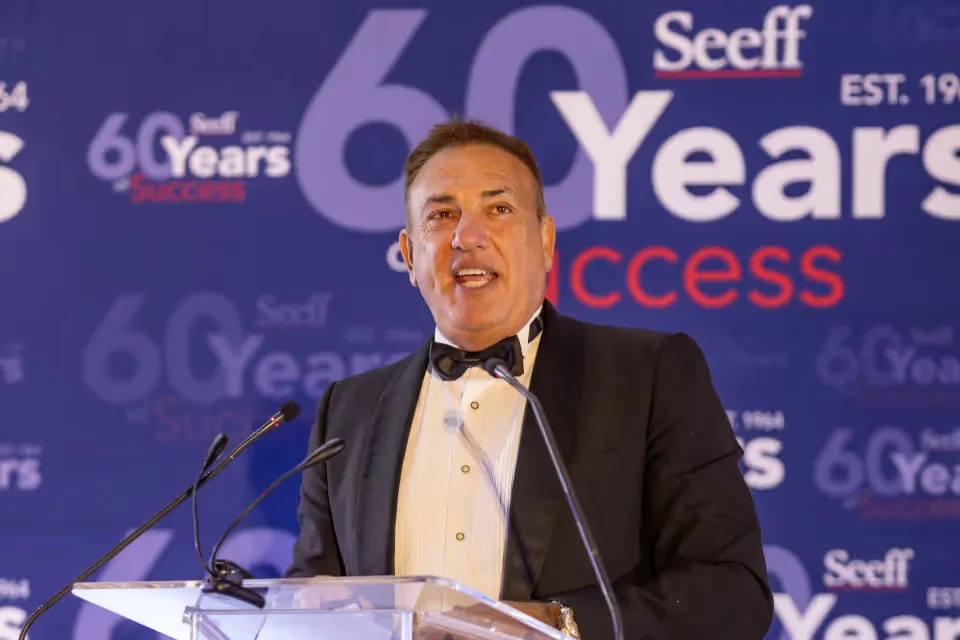
Samuel Seeff, Chairman of Seeff Property Group, says Budget 2026 must move beyond incremental adjustments.
“South Africa does not need tinkering. It needs decisive pro-growth measures that restore investor confidence, reduce pressure on households and create an environment where property ownership becomes more accessible.”
He notes that residential demand has shown resilience, particularly in semigration and coastal nodes, but affordability remains constrained by household finances and tax pressure.
Five key areas Budget 2026 must address
1. Tax Relief for Households
Disposable income is under strain.
If government wants to stimulate housing demand, personal income tax relief, even modest, would immediately boost affordability and purchasing power. Bracket creep adjustments alone may not be enough.
Lower financial pressure on households translates directly into increased property activity.
2. Infrastructure Investment and municipal reform
Load shedding disruptions have eased, but municipal instability remains a major risk.
Water security, road maintenance, planning efficiency and service delivery are critical to protecting property values.
Seeff stresses: “Infrastructure stability underpins real estate value. Without credible reform and investment at municipal level, long-term growth will remain constrained.”
Developers and investors require certainty on bulk services, approvals and maintenance cycles.
3. Incentives for property development
South Africa needs new housing supply, particularly affordable and gap-market units.
Incentivising development through tax allowances, urban regeneration incentives and streamlined planning frameworks could accelerate project pipelines.
This also stimulates construction jobs, SME growth and secondary economic activity.
Property development is one of the fastest multipliers in the economy.
4. Business confidence and investment policy
Commercial property performance depends on business expansion.
Policy clarity around logistics infrastructure, public-private partnerships and investment incentives could unlock renewed office and industrial demand.
If businesses grow, they lease space. If they stagnate, vacancies rise.
Budget credibility and fiscal discipline will directly influence corporate confidence in 2026.
5. Stable transfer duties and property taxes
Unpredictable adjustments to transfer duties or property-related taxes can dampen transactions.
Maintaining stability, particularly in lower and middle price bands, is critical to sustaining momentum in residential markets.
Property transactions generate revenue for the fiscus. Overburdening buyers risks reducing activity rather than increasing collections.
The bigger picture
South Africa’s property market is not in crisis. It is in cautious recovery.
Industrial remains firm. Coastal demand is strong. Office nodes are restructuring. Interest rates are easing. But growth remains fragile.
Budget 2026 represents a pivotal moment. It can reinforce confidence through bold relief, infrastructure commitment and pro-growth clarity or it can delay the next expansion cycle.
As Seeff puts it: “Confidence is the currency of property. If this Budget restores confidence, the market will respond.”
The property sector is ready to move.
Now it waits to see whether fiscal policy will clear the path, or narrow it further.