








Middle East oil shock could hit SA homes and property
- Oil prices above $100 could trigger inflation, rate hikes and weaker household spending across South Africa.
- Property purchases and credit-dependent spending are among the first sectors to slow during inflation shocks.
- Transport, hospitality and discretionary spending face the biggest risk if the conflict escalates.
Middle East conflict threatens global oil supply
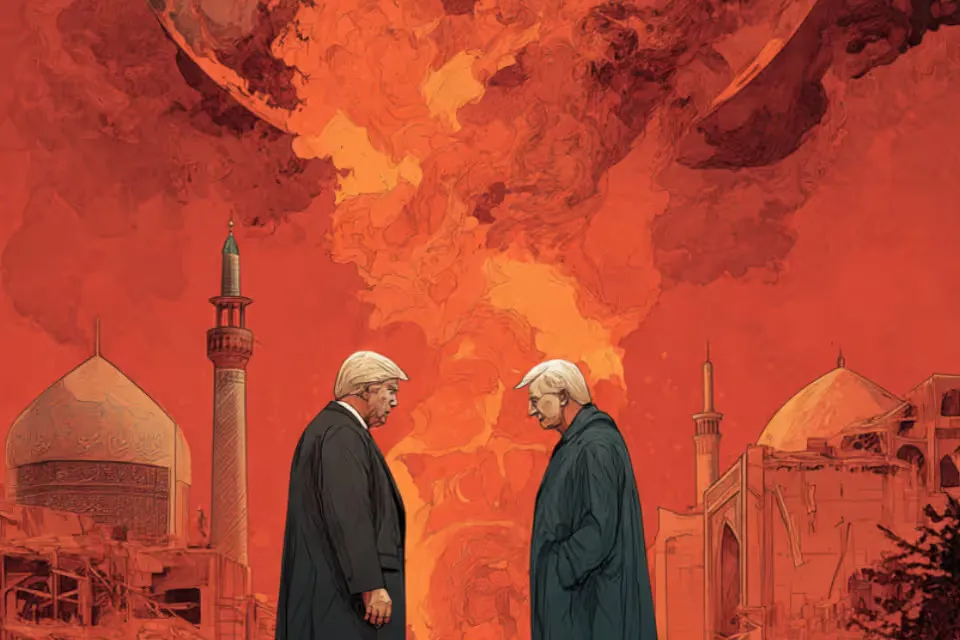
South Africa’s household economy may be heading into a new phase of uncertainty as the escalating Middle East conflict between Israel, the US and Iran threatens global oil supply, sending crude prices sharply higher.
Independent economist John Loos warns that the consequences of a prolonged oil supply shock could ripple far beyond the fuel pump, potentially impacting inflation, interest rates, household spending and even property market activity.
Brent crude recently surged to around $107 per barrel, up from $92.69 only days earlier, raising the likelihood of significant domestic fuel price increases and renewed inflationary pressure across the economy.
While the outcome of the conflict remains uncertain, the economic transmission mechanisms are well understood. Rising energy costs feed through supply chains, increase consumer prices and place pressure on central banks to tighten monetary policy.
For South African households already navigating a high-cost environment, the potential knock-on effects could reshape spending behaviour across multiple sectors, including housing.
Impact on household spending and property
Higher fuel and transport costs immediately reduce disposable income, forcing households to prioritise essential spending while cutting back on discretionary purchases.
Historically, periods of oil-driven inflation have led consumers to delay credit-dependent purchases such as vehicles, appliances and property, while also postponing home improvements and other durable goods spending.
Loos notes that during similar economic shocks in the past, households responded by scaling back non-essential expenditure and delaying large purchases, trends that can have a direct knock-on effect on the property market.
“Credit-dependent purchases, including vehicles and home buying, are often postponed when interest rates rise and disposable income comes under pressure,” Loos explains.
This dynamic can lead to slower housing demand growth, as potential buyers remain in the rental market longer or delay property purchases until economic conditions improve.
Three macro impact paths of an oil supply shock
According to Loos, an oil supply shock could impact South Africa’s household sector through three key economic channels.
1. Global economic slowdown
Oil shortages can restrict global economic activity, as modern economies remain heavily energy-dependent.
If the conflict leads to a broader slowdown or recession in major economies, demand for South African exports could weaken, affecting employment and income growth in export-linked sectors.
This would reduce household purchasing power and dampen consumer spending.
2. Rising Inflation
Higher oil prices raise the cost of fuel and transportation, but the impact extends further through the supply chain.
Petrol and diesel are key inputs in the production and distribution of goods, meaning higher energy costs eventually translate into higher consumer prices across multiple sectors.
As inflation rises, real disposable income declines.
3. Interest Rate Pressure
South Africa’s Reserve Bank targets 3 - 6% inflation. Should inflation rise significantly due to an oil shock, the central bank may be forced to raise interest rates.
Higher interest rates increase the cost of servicing existing debt and make new credit purchases, including property, more expensive.
This can further slow household spending and property market activity.
Spending categories most at risk
If oil-driven inflation escalates, the following sectors may see the biggest spending declines:
- Motor vehicles and other credit-dependent purchases
- Restaurants, hotels and leisure spending
- Recreation and entertainment activities
- Furniture, appliances and household equipment
- Home maintenance and improvement spending
These categories tend to be non-essential or postponable, making them particularly vulnerable during economic shocks.
Lessons from past oil price shocks
Previous inflation shocks provide useful insight into how households may respond. During the 2006 - 2008 oil and food price surge, interest rates rose by five percentage points while South Africa experienced an economic slowdown.
Real household disposable income declined by 2.1%, while real household consumption expenditure fell by 2.6%, highlighting the sensitivity of consumer spending to inflation and interest rate shocks.
The hardest-hit spending categories included hospitality, transport and recreational expenditure, sectors typically viewed as discretionary.
The uncertain road ahead
While the trajectory of the Middle East conflict remains uncertain, the economic risks are clear.
An extended oil supply disruption could trigger a combination of higher inflation, tighter monetary policy and slower economic growth, placing additional pressure on South African households.
For the property sector, the implications may include slower credit demand, delayed home purchases and a shift toward rental housing as consumers navigate a more challenging financial environment.
Yet much will depend on how long the conflict lasts and how far oil prices ultimately rise.
Download the full report
For a detailed analysis of the household sector impact, macroeconomic risks and consumer spending trends, download the full report: “The Household Sector Economy: The potential consumer spending response to the mounting Middle East conflict-driven oil price shock” by John Loos.