





How Airbnb rentals can supercharge your property cash flow
- Short-term rentals can deliver up to 50% higher monthly cash flow than traditional long-term rentals when professionally managed and priced correctly.
- Success depends on treating Airbnb as a business using pricing strategy, automation, guest management and operational systems to maintain strong occupancy rates.
- Cape Town remains South Africa’s short-term rental capital, creating strong investor opportunities when location, platform choice and management execution align.
How short-term rentals are changing investor cash flow
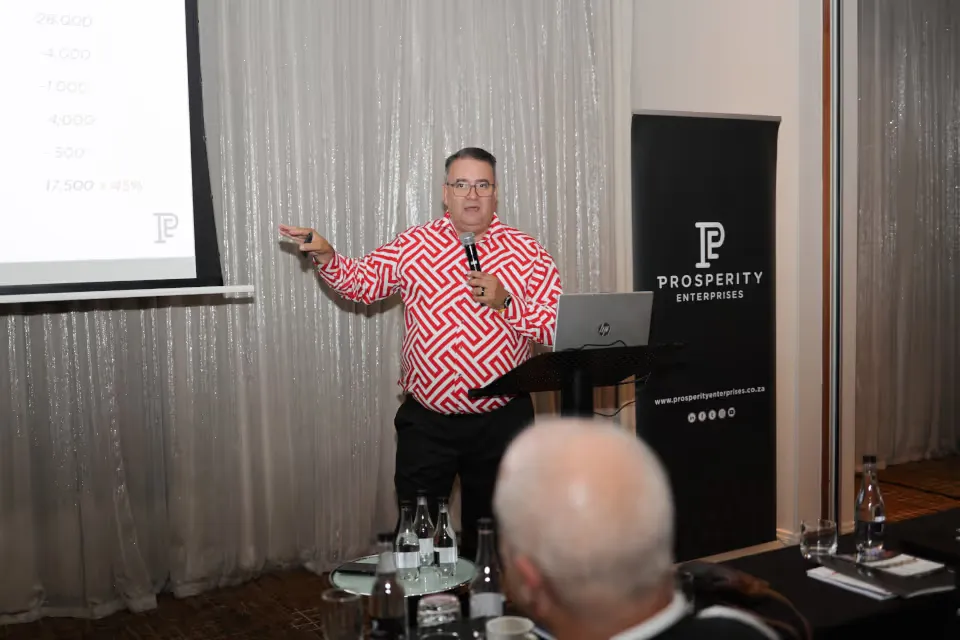
At a recent investor evening, property entrepreneur and short-term rental operator Miguel Martins of Encasa Villas and Apartments unpacked how platforms like Airbnb and Booking.com are reshaping property investment returns in South Africa, particularly in Cape Town.
His message to investors was simple: short-term rentals are no longer a side hustle; they are a serious property investment strategy.
“Cape Town is effectively the short-term rental capital of South Africa,” Martins explained, adding that many investors are now comparing Airbnb-style letting with traditional buy-to-let and student accommodation strategies.
The goal, he said, is to understand what really happens behind the scenes and whether the higher yields are sustainable.
Short-term rentals are now a major industry
Martins estimates there are roughly 100,000 short-term rental listings across South Africa, meaning Airbnb-style accommodation now rivals traditional hospitality supply.
“Short-term rentals now represent nearly half of hospitality accommodation nationally, alongside hotels and guesthouses,” he told investors.
Yet many property investors still don’t fully understand how the model works or how to evaluate its potential.
Why investors are moving toward Airbnb
According to Martins, investors typically enter short-term rentals for three reasons:
- To increase returns compared to traditional long-term rentals.
- To generate income from holiday homes when not in use.
- To build scalable hospitality-style property businesses.
But while the promise of higher returns attracts investors, execution determines success.
The Numbers: Buy-to-let vs Short-term rentals
Martins illustrated the difference using a typical two-bedroom apartment example.
A long-term rental might generate:
- Rental income of around R16,000 per month
- Net income of roughly R12,000 after costs
The same property on short-term rental platforms, properly managed, could generate:
- Average monthly income around R28,000
- Net income around R17,500 after higher operating costs
“That’s roughly 50% higher net income,” Martins explained. However, this only works if the property is well-managed.
Airbnb is not passive income
A key takeaway from Martins’ presentation was that short-term rentals demand active management or professional operators.
Unlike long-term rentals with one tenant, short-term rentals involve constant guest turnover. “It’s like having a new tenant every day,” he said.
Operations include:
- Listing optimisation and pricing management
- Guest communication and automation
- Housekeeping coordination
- Maintenance management
- Review and reputation management
- Handling damages and guest issues
Most guest communication is automated, but systems must be in place to ensure smooth operation.
Three ways investors can participate
Martins outlined three main operating models:
1. Owner-Managed Properties
Investors own and manage their own listings.
2. Rental Arbitrage
Operators rent properties long-term and legally sublet them short-term with owner approval.
3. Property Management Model
Operators manage listings on behalf of property owners, earning commission without owning properties.
This third model has driven rapid growth in Cape Town’s short-term rental sector.
Banks still prefer traditional rentals
One challenge investors face is financing. Banks remain cautious about treating short-term rental income as reliable affordability income, making portfolio scaling harder unless investors already have track records.
This means investors must structure financing carefully or grow portfolios more gradually.
Running Airbnb like a business
Martins emphasised that success requires professional management.
Key success factors include:
- Pricing strategies that adjust daily
- High occupancy management
- Automation systems
- Professional housekeeping
- Maintenance response systems
- Strong guest review performance
“If you’re not achieving around 75 - 80% annual occupancy in Cape Town, something in your system is wrong,” Martins noted, citing his own portfolio’s 78% occupancy in 2025.
Community support and education
To help hosts improve performance, Martins runs the SA Hosts network, a national community where operators share advice and operational insights.
He also offers training for new or struggling hosts to improve listing performance and management efficiency.
Final investor takeaway
Short-term rentals can significantly improve property cash flow, but they are not effortless.
Success depends on:
- Correct property selection
- Professional management
- Strong pricing strategy
- Efficient operations
- Guest experience delivery
For investors willing to treat short-term rentals as a business rather than passive income, the strategy can deliver strong results, particularly in markets like Cape Town where tourism demand remains robust.
As Martins concluded: “Short-term rentals reward those who run them professionally. Done right, they can dramatically improve your property cash flow.”