








Golf Course showdown sparks battle over Cape Town’s future
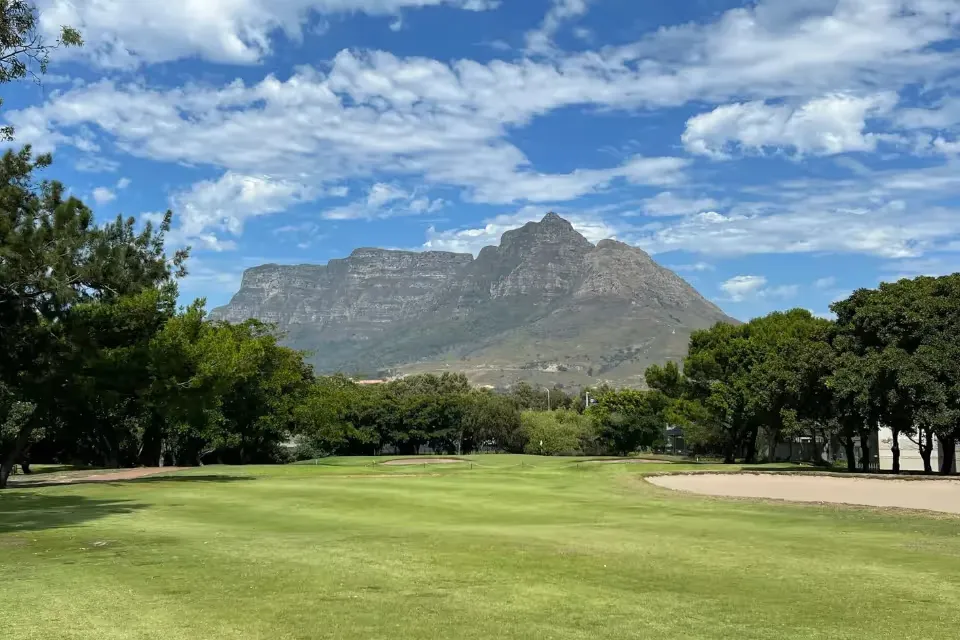
- Cape Town’s proposal could replace the 116-year-old golf course with up to 6,700 homes and mixed-use development.
- Pinelands residents warn the project could overwhelm infrastructure, increase traffic and permanently erase valuable green space.
- Golf club leaders argue the site delivers vital recreational, environmental and community benefits that cannot easily be replaced.
Pinelands residents, sporting bodies and ratepayers push back against plans for thousands of new homes on historic public land.
The future of one of Cape Town’s oldest and most recognisable recreational spaces has become the centre of a growing debate over housing, heritage, urban development and community identity.
The City of Cape Town’s draft concept plan for the King David Mowbray Golf Club precinct proposes a major mixed-use development that could deliver between 6,000 and 6,700 residential units, together with commercial space, light industrial facilities, community amenities and supporting infrastructure.
The proposal forms part of the city’s broader strategy to unlock well-located land for housing and economic development close to key transport routes.
However, the plan has sparked strong opposition from local community groups, sporting organisations and residents who argue that the long-term social, environmental and recreational costs could outweigh the benefits.
At the forefront of the opposition is the Pinelands Ratepayers and Residents Association (PRRA), which has urged residents and stakeholders to formally participate in the public consultation process before it closes on 6 July.
Concerns over scale and infrastructure
PRRA chairperson Desray Britz believes the proposed development would fundamentally alter the character of Pinelands and place considerable pressure on already strained infrastructure.
“The sheer scale of what is being proposed is astonishing,” Britz said, noting that the number of planned housing units would represent more than half of Pinelands’ existing residential stock.
According to Britz, concerns extend beyond housing numbers to include increased traffic congestion, pressure on water and sewerage systems, limited schooling capacity and the permanent loss of valuable recreational space.
She argues that once sporting and green spaces are developed, they cannot easily be replaced, making the decision one that will shape the suburb for generations.
More than just a golf course
For Mike Flax, chairperson of the King David Mowbray Golf Club, the debate is about far more than the future of a golf course.
“This is not, and has never been, just about a golf club,” Flax said. “It is about whether the city is making rational decisions with a very valuable public asset.”
The 116-year-old club is regarded as one of South Africa’s most diverse golfing institutions and serves as the home of the South African Disabled Golf Association. Flax argues that the facility provides important social, sporting and environmental value that cannot be measured purely in development potential.
He also points to the golf course’s role in managing floodwater between surrounding river systems and questions whether such a large-scale development is appropriate for land with known environmental sensitivities.
Housing need versus community assets
The City maintains that no final decision has been made and that the current process is intended to test public opinion and gather stakeholder input before any future approvals are considered.
City officials argue that the precinct represents one of the few large, strategically located parcels of public land capable of delivering substantial housing opportunities close to employment and transport networks.
Supporters see the development as a rare opportunity to address Cape Town’s housing shortage, while opponents fear it could come at the expense of irreplaceable community assets.
As the public participation process continues, the proposed redevelopment has become a defining test of how Cape Town balances growth, affordability, environmental stewardship and the preservation of public recreational spaces. The outcome could shape not only the future of Pinelands and Mowbray, but also the city’s approach to urban development for decades to come.
Have your say!
Extensive public participation closes 6 July 2026.
- Visit www.infinity.capetown/mowbray
- Email mowbray@infinity.capetown
- Call 021 834 1600 / 060 524 7676