






Fixer-Uppers: Hidden goldmine or costly mistake?
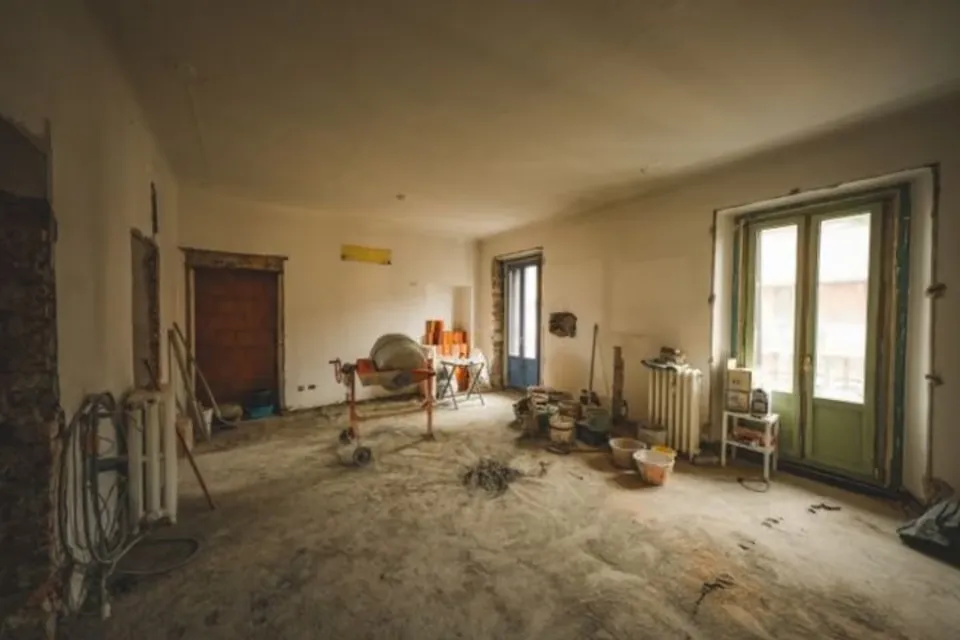
- South Africans spend R1.5 billion monthly on renovations as buyers seek affordable homes with upside potential.
- Energy, kitchen and space conversions rank among the highest-value upgrades for 2026.
- Poor planning, hidden defects and financing challenges can quickly turn a bargain into a financial trap.
The Fixer-Upper: Financial trap or untapped treasure?
With South Africans spending around R1.5 billion a month on building alterations, according to Statistics South Africa, fixer-upper homes are increasingly attracting buyers seeking affordability and the opportunity to create wealth through smart renovations.
From first-time buyers to growing families and investors, the appeal lies in buying below market value and unlocking additional value through strategic improvements.
However, experts warn that not every renovation delivers a return, and the difference between a dream home and a money pit often comes down to careful planning.
"Be clear about your intentions. Are you making changes to suit your lifestyle, accommodate a growing family, accommodate additional renters or to prepare a property for selling?" says Bradd Bendall, BetterBond's National Head of Sales.
A growing renovation market
Rising property prices and affordability pressures have made fixer-uppers increasingly attractive. Rather than stretching budgets to buy turnkey homes, many buyers are opting to purchase older properties and modernise them over time.
The trend has helped fuel South Africa's thriving home improvement sector, with billions spent each month on alterations, additions and upgrades.
Yet Bendall says buyers should distinguish between cosmetic changes and structural improvements that provide long-term value.
Accessible entry points into better areas
One of the biggest advantages of a fixer-upper is affordability.
"Fixer-uppers are usually listed at lower asking prices, making it possible for buyers, especially first-time buyers, to enter areas that might otherwise be unaffordable," says Bendall.
Purchasing below market value creates an opportunity to build equity through carefully planned upgrades. Even modest improvements can significantly improve comfort and functionality.
Simple changes such as:
- Reconfiguring living spaces.
- Repairing leaks.
- Upgrading lighting.
- Installing energy-efficient features.
These changes can transform a home without requiring major structural work.
Top five renovations for 2026
According to Bendall, these improvements consistently deliver strong returns and improve everyday liveability.
1. Energy and water Independence
South Africans increasingly view backup power and water security as essential rather than optional. Solar systems, inverters, gas conversions, JoJo tanks and boreholes continue to attract buyers.
"Load shedding and water supply issues have fundamentally changed what buyers look for. These are increasingly seen as essential infrastructure," says Bendall.
Solar installations can raise property values by 3% to 8%, while providing substantial long-term savings.
2. Kitchen upgrades
The kitchen remains one of the most influential spaces in a home.
Replacing cabinetry, countertops and lighting often delivers excellent returns without the expense of a full renovation.
"The kitchen remains the heart of the home and often makes or breaks a buyer's first impression," says Bendall.
3. Bathroom renovations
Wellness and luxury continue to drive buyer preferences.
Features such as:
- Frameless glass showers.
- Double vanities.
- Underfloor heating.
- Modern fittings.
These renovations can command premium prices and enhance lifestyle appeal.
4. Curb appeal and exterior improvements
First impressions matter. Fresh paint, attractive paving, lighting and low-maintenance gardens can dramatically improve buyer perception.
"It's often the cheapest renovation relative to the impact it has on a buyer's perception of the whole property," says Bendall.
5. Functional space conversions
Unused garages, spare rooms and storage spaces can become highly valuable assets. These spaces have become increasingly sought-after:
- Home offices
- Guest suites
- Flexible living spaces
"Creating more usable space within an existing footprint is often one of the least disruptive ways to add lasting value," says Bendall.
Beware the hidden costs
Behind every renovation lurk potential surprises. Old properties can reveal:
- Plumbing failures.
- Electrical defects.
- Roof leaks.
- Damp problems.
- Structural issues.
Bendall recommends adding a contingency budget of 15% to 20% to account for unforeseen expenses. Construction delays and municipal approvals can also prolong projects and increase costs.
Temporary accommodation expenses should likewise be factored into the equation.
Understanding the financial risks
Although fixer-uppers are more affordable, financing can be more challenging. Properties requiring substantial work may:
- Lack compliance certificates.
- Require major repairs before occupation.
- Fail to qualify for 100% home loans.
Banks tend to be more cautious when lending against homes requiring extensive upgrades. Without careful budgeting, renovation costs can quickly exceed the savings achieved through a lower purchase price.
Lifestyle or resale? In reality, it's both
For many homeowners, renovation decisions aren't solely about investment returns.
"The changes that make a home work better for your life now are often the same improvements that future buyers respond well to," says Bendall.
A larger kitchen, dedicated home office or landscaped garden can improve daily living while simultaneously enhancing future resale value. And the longer owners plan to remain in a property, the more lifestyle value becomes part of the equation.
"A bigger kitchen, a garden to unwind in or a dedicated workspace all provide quality-of-life returns that don't appear on a balance sheet but are very real to the people living there," says Bendall.
The bottom line
Fixer-uppers continue to offer an attractive pathway into the property market and the potential to create substantial value.
But success depends on realistic budgeting, disciplined planning and prioritising renovations that deliver lasting benefits.
A bargain purchase can quickly become a costly burden if hidden defects and financing constraints are overlooked.
For buyers willing to do their homework, however, the humble fixer-upper may still represent one of the property market's most overlooked opportunities.
"Despite the challenges, a fixer-upper can be a good way to enter the market, but careful budgeting and planning are essential to ensure it delivers a return on investment," concludes Bendall.