





Cape Town’s boutique hotels redefine urban hospitality
- Independent hotels drive authenticity, design, and guest experience in Cape Town CBD
- Strong occupancy and rising rates signal investor confidence
- Year-round tourism demand supports long-term hospitality growth
The rise of Cape Town’s independent hotel scene
Cape Town’s global appeal is no longer just about Table Mountain, beaches, and wine routes, it’s increasingly about how visitors experience the city itself.
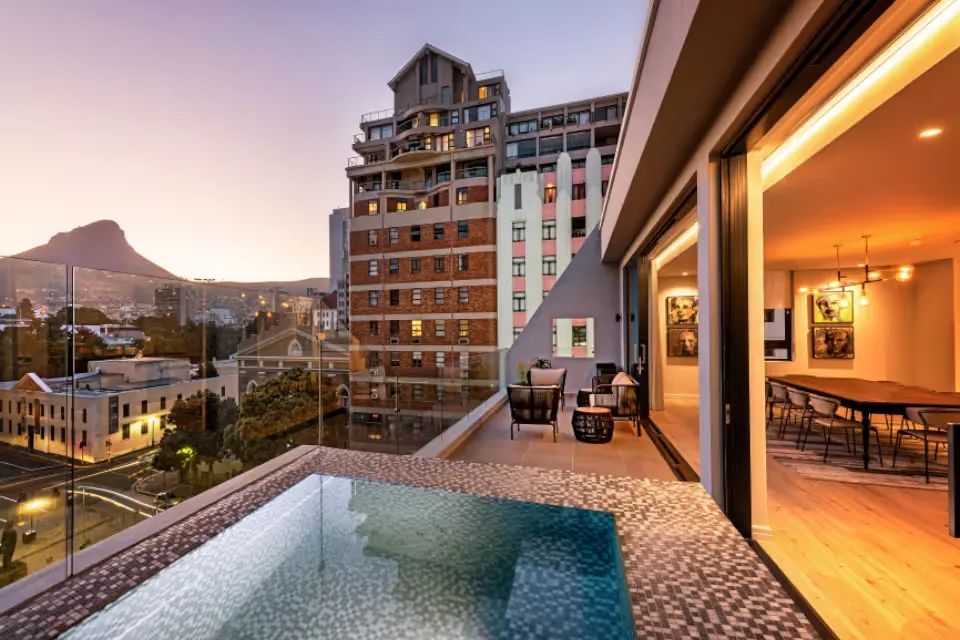
At the centre of this shift is a growing cluster of independent, design-led boutique hotels in the CBD, quietly reshaping the urban hospitality landscape. Unlike large, standardised hotel brands, these properties offer:
- Authentic, localised experiences
- Strong design identity
- Personalised service and intimacy
This aligns with a global trend seen in cities like Lisbon, Barcelona, and Melbourne, where travellers are choosing character over conformity.
Why the CBD is winning
Cape Town’s inner city has undergone a steady transformation, driven by:
- Improved safety and urban management
- Revitalised public spaces
- A growing mix of culture, dining, and retail
This has created fertile ground for boutique hospitality to thrive. Hotels like:
- The Grand Daddy Boutique Hotel
- Cape Heritage Hotel
- Labotessa Luxury Boutique Hotel
- Gorgeous George
- Pepperclub Hotel
These are not just places to stay, they’re extensions of the city’s identity.
As industry players note, today’s traveller wants more than a bed, they want a connection to place, culture, and story.
Experience over scale
The defining feature of Cape Town’s independent hotels is not size, it’s experience. Guests are drawn to:
- Rooftop bars and curated social spaces
- Heritage buildings with modern interiors
- Design-led rooms and local storytelling
- Personalised service and attention to detail
This model is proving powerful, especially post-pandemic, where demand has shifted toward meaningful, immersive travel experiences.
Importantly, these hotels are also activating the city for locals—hosting events, dining experiences, and cultural gatherings that reinforce the CBD as a living, breathing destination.
Performance tells the story
The numbers back the narrative:
- 74% average occupancy (Dec 2024 - Feb 2025)
- Peak weekends reaching 85% occupancy
- ADR up 11% to R2,920
- Nearly R42 million in additional spend from experiences and services
This is not niche performance, it’s a scalable hospitality model gaining traction.
Cape Town: a true year-round destination
One of the biggest shifts underpinning this growth is Cape Town’s evolution into a year-round tourism market. Historically seasonal, the city now benefits from:
- Strong international inbound travel
- Business and remote work tourism
- Events, culture, and lifestyle attractions across all seasons
Crucially, many visitors want to be in the heart of the city, where:
- History, design, and culture intersect
- Walkability enhances the experience
- Urban energy complements natural beauty
This sustained demand is giving developers and operators confidence to invest, despite slower initial yield periods typical in boutique hospitality.
The bigger picture
Cape Town’s independent hotel boom signals something deeper:
- A maturing tourism market
- A shift toward experience-led hospitality
- Growing investor confidence in CBD assets
- A stronger, more diversified urban economy
It’s also a reminder that smaller, well-positioned assets can outperform larger competitors, if they get the experience right.
Reshaping the city
Cape Town’s independent hotels are not just filling rooms, they’re reshaping the city’s hospitality identity. They combine:
- Authenticity and design
- Strong performance metrics
- Year-round demand
- Deep connection to place
For investors and operators, the message is clear:
Boutique is no longer niche, it’s becoming the benchmark for urban hospitality success.