





Aparthotels come of age as travel habits shift
- Aparthotels bridge gap between hotels and short-term rentals
- Growth driven by remote work, longer stays and flexible travel
- Operators like WINK redefining service with efficiency and choice
The evolution of aparthotels
Not long ago, aparthotels sat in an awkward middle ground, functional, affordable, but lacking the polish of true hospitality.
Sparse lobbies, minimal service, and inconsistent guest experiences defined the early model. It was accommodation, but not yet a product that could compete with hotels. That version is gone.
Today, professionally managed aparthotels have matured into a distinct and credible hospitality category, sitting comfortably between full-service hotels and informal short-term rentals. They now offer:
- Structure and brand consistency
- Flexible living space
- Scalable service options
In short, they’ve moved from “budget alternative” to strategic hospitality asset class.
Why the market is growing
The rise of aparthotels isn’t accidental, it’s demand-driven. Three major shifts are reshaping the market:
1. The rise of extended stays
Travel is no longer limited to short breaks. Guests are staying longer:
- Business travel blended with leisure (“bleisure”)
- Relocations and project-based stays
- Long-haul international visitors
2. Remote work and digital nomads
The global workforce has changed:
- Travellers need space to live and work
- Reliable connectivity is non-negotiable
- Flexibility outweighs formality
Aparthotels deliver on all three.
3. Changing guest expectations
Modern travellers want:
- Independence and privacy
- But also safety, consistency, and support
This is where traditional hotels fall short on flexibility and where unregulated rentals fall short on reliability. Aparthotels sit squarely in that gap.
A clearer market segmentation
The sector has matured into defined use cases:
Traditional Hotels
- Short stays
- Conferences and events
- Full-service luxury
Aparthotels
- Extended stays
- Remote workers
- Relocation clients
Short-term rentals
- Informal stays
- Price-driven travellers
This clarity is allowing each segment to refine its value proposition and grow.
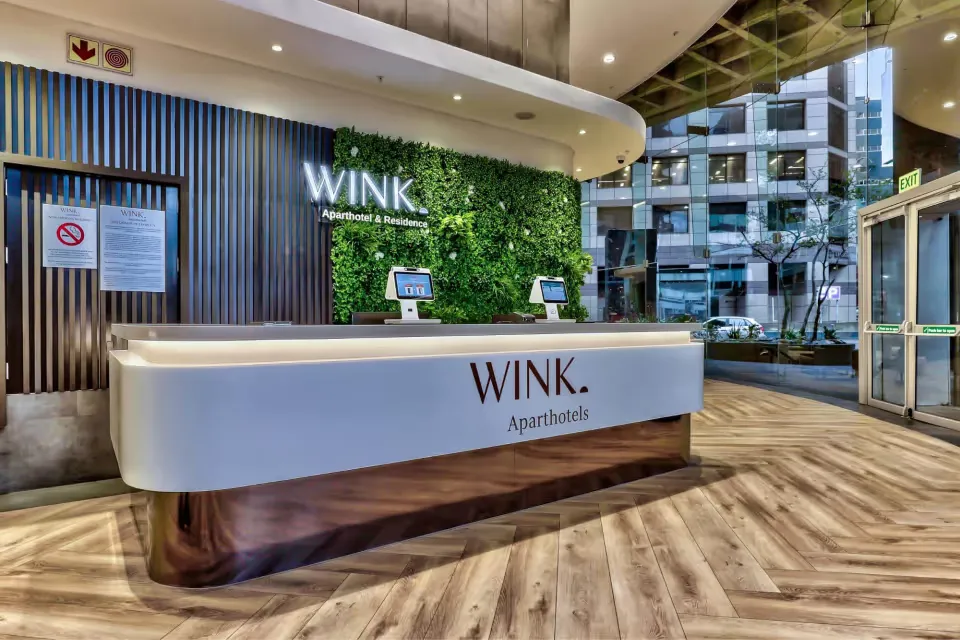
WINK Aparthotels: a case in point
Operators like WINK Aparthotels are leading this evolution in South Africa, particularly in the Western Cape.
According to Managing Director Derick Tait, the shift has been shaped by the guest, not the operator:
“The early aparthotel model was transactional. It offered space and price, but not a consistent hospitality experience. Over time, guests wanted more and we evolved with that demand.”
WINK’s approach reflects the new model:
1.Flexibility as a core offering
Guests choose:
- Whether they want daily housekeeping
- Whether they self-cater or use on-site options
- How much service they actually need
As Tait explains:
“Choice has become central to the model.”
2. Lean, tech-enabled operations
Unlike traditional hotels:
- Centralised management replaces large on-site teams
- Dynamic pricing optimises revenue
- Technology streamlines check-in, servicing, and operations
“Technology has fundamentally changed how we operate,” says Tait. The result: lower overheads and stronger margin resilience.
3. Lifestyle without excess cost
WINK integrates:
- Deli and coffee shop concepts
- Social spaces
- Essential amenities
But avoids the heavy cost structures of full-service hotels. It’s a focused, efficient hospitality model, not stripped down, but streamlined.
The operational advantage
From an investment perspective, aparthotels offer:
- Lower operating costs per key
- Greater pricing flexibility
- Resilience across seasons
- Ability to scale across multiple properties
They are less exposed to the rigid cost structures that weigh down traditional hotels—especially in volatile markets.
The bigger picture
The rise of aparthotels reflects a broader shift:
- Travel is more fluid
- Work is more mobile
- Guests want control
This is not disruption, it’s alignment with how people now live and move.
As Tait puts it: “We’re no longer just handing over keys. We’re operating structured, professionally managed hospitality assets.”
Fringe to mainstream
Aparthotels have moved from the fringe to the mainstream. They now represent:
- A scalable hospitality model
- A response to real behavioural shifts
- A strong investment case in the right locations
And in markets like Cape Town, where international demand, remote work, and lifestyle travel intersect, they’re not just relevant. They’re essential.