




.avif)
.avif)

7 Rental trends reshaping South Africa’s housing market
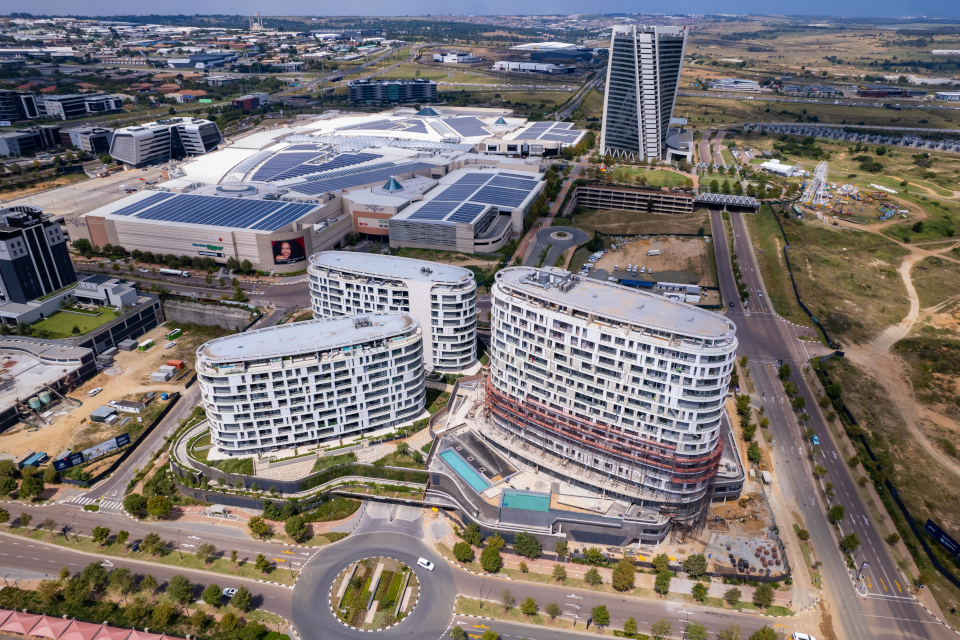
Image: Munyaka Cystal Lagoon, Balwin Properties
- Renting is becoming a long-term lifestyle choice, not a temporary stopgap.
- Affordability pressures and mobility are accelerating demand across key nodes.
- Landlords who adapt to lifestyle-led renting are outperforming the market.
A rental market in transition
South Africa’s rental market is undergoing a structural shift, one that is redefining how people live, work and plan their financial futures.
Once viewed largely as a stepping stone to ownership, renting is increasingly a strategic, long-term choice, shaped by affordability constraints, lifestyle priorities and changing work patterns.
With interest rates remaining elevated and household budgets under pressure, more South Africans are opting for flexibility over long-term debt.
According to Paul Stevens, CEO of Just Property, this evolution is both significant and irreversible.
“The rental market is no longer a stepping stone, it’s a strategic choice. Tenants want homes that reflect how they live today, not how people lived ten years ago.”
Drawing on national data and insights from Just Property’s franchise network, Stevens says the rental sector is not only resilient, but increasingly influential across the broader property market.
The 7 rental trends reshaping South Africa in 2026
1. Affordability is pushing more households into renting
Affordability remains the dominant driver. With home loan rates still high and ownership costs rising, renting offers a more accessible entry point to quality housing.
“In developed markets, around 35% of households rent. In South Africa it’s closer to 25%, but that figure will rise if rates stay elevated,” says Stevens.
2. Pet-friendly homes are now essential
Pet ownership has surged since the pandemic, fundamentally changing tenant expectations. Homes that allow pets consistently achieve faster occupancy, longer leases and higher tenant satisfaction.
Landlords who resist this trend risk excluding a growing pool of stable, long-term tenants.
3. Lifestyle-first renting is accelerating
Tenants are choosing homes based on how they want to live, not just price. Proximity to green spaces, schools, amenities and community-focused neighbourhoods is now critical.
Coastal towns attract remote workers, suburbs draw young families, and mixed-use urban precincts appeal to professionals seeking convenience and connection.
4. Digital convenience is non-negotiable
The rental journey has gone digital. Online applications, virtual viewings, digital lease signing and fast communication are now standard expectations, particularly among younger tenants.
High-speed fibre and smart access systems are increasingly viewed as essentials, not luxuries.
5. Security and professional management remain core
While lifestyle matters more than ever, security remains non-negotiable. Gated estates, access control, reliable maintenance and responsive property management continue to drive demand.
Tenants want peace of mind and landlords who deliver it retain tenants for longer.
6. “Try before you buy” is gaining traction
More tenants are using renting as a way to test neighbourhoods, property types and lifestyle fit before committing to ownership.
This trend is especially strong among first-time buyers and professionals navigating economic uncertainty, offering flexibility without long-term risk.
7. Renting reflects real-life economic realities
Shifting family structures, hybrid work, mobility and financial pressure are reshaping housing choices. Renting provides dignity, choice and control, aligning housing with modern South African life.
What this means for landlords and investors
For Stevens, the message from the rental market is clear:
“South Africans want choice, dignity and control. They want homes that support wellbeing, convenience and flexibility. Our role as an industry is to listen, adapt and lead.”
A strong rental market also plays a vital economic role, enabling labour mobility, supporting entrepreneurship and keeping capital circulating within communities.
Renting is no longer second best
As South Africa moves into 2026, renting is no longer a fallback option. It is a deliberate, lifestyle-driven decision supported by economic reality and changing consumer expectations.
Landlords and investors who recognise this shift and align properties with how tenants actually live, will be best positioned to benefit from a rental market that is not just growing, but fundamentally redefining the housing landscape.





.svg)

.avif)


















.avif)