






Why older South Africans are heading for the KZN coast
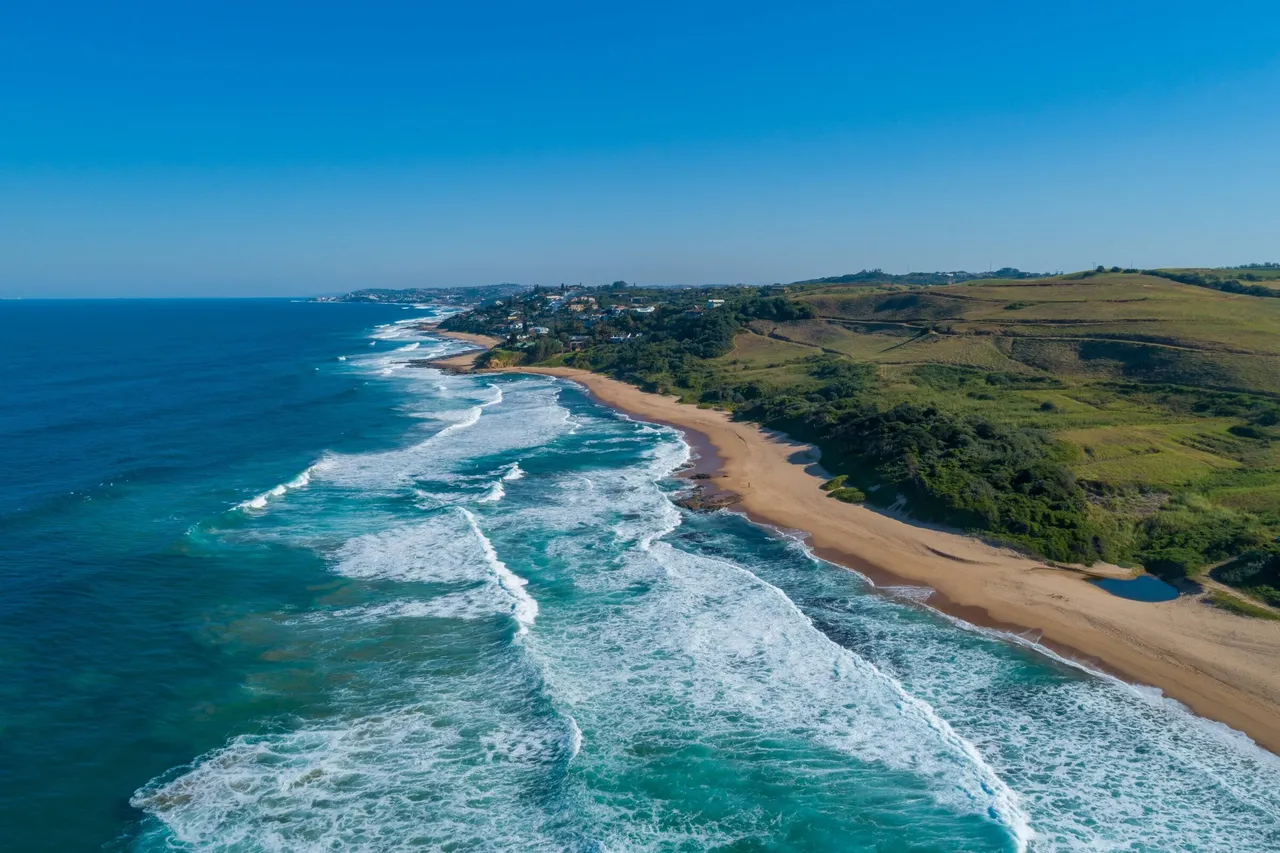
South Africa is getting older, while KwaZulu-Natal is attracting more people from other provinces. For some older South Africans, the North Coast offers a compelling combination of climate, lifestyle, family access and long-term care.
- South Africa now has 6.79 million people aged 60-plus, a demographic growing more than twice as fast as the population overall.
- Around 281,000 people moved into KwaZulu-Natal from other provinces between 2021 and 2026, led by Gauteng and Eastern Cape arrivals.
- For healthier older buyers, the coastal move is increasingly about lifestyle and independence today, with access to care for tomorrow.
The coastal move is changing
For generations, retirement was often viewed as the point at which people slowed down, downsized and eventually moved somewhere easier to manage.
That picture is changing. More South Africans are reaching their 60s and 70s healthier, more active and with potentially decades of life still ahead of them. For this group, deciding where to live is increasingly less about traditional retirement and more about how they want to live the next chapter of their lives.
KwaZulu-Natal’s coastline, particularly the North Coast, is emerging as one of the locations benefiting from that shift.
The recent launch of Coral Cove by Auria Senior Living at Sheffield Beach brings the trend into focus, combining independent coastal living with access to assisted living and care should residents’ circumstances change later.
But the bigger story extends beyond one development. It sits at the intersection of two significant demographic trends: South Africa is ageing, while KwaZulu-Natal continues to attract people from other provinces.
South Africa’s 60-plus population is growing rapidly
South Africans aged 60 and older now number approximately 6.79 million, representing about 10.7% of the population.
More significantly, this demographic has been growing at approximately 2.66% a year, compared with around 1.20% for the population overall. In other words, the 60-plus population is expanding at more than twice the national rate.
That has implications far beyond retirement villages. It affects housing demand, healthcare, financial planning, property design and the types of communities older South Africans will want to live in.
And increasingly, the question isn’t simply: “Where should I retire?” It is: “Where do I want to spend the next 20 or 30 years?”
KZN is attracting more people from other provinces
KwaZulu-Natal’s migration numbers add another dimension.
Approximately 281,000 people moved into KZN from other provinces between 2021 and 2026, with Gauteng and the Eastern Cape accounting for the largest numbers.
The changing relationship with Gauteng is particularly interesting. Across three five-year migration cycles, arrivals into KZN from Gauteng increased from approximately 90,100 to 113,213, while movement from KZN in the opposite direction declined from 208,358 to 160,638.
Those figures should, however, be interpreted carefully. They don’t prove that hundreds of thousands of retirees are moving to the coast. Migration across provincial borders remains dominated by younger adults, and employment is the largest stated reason for moving.
Health and retirement combined account for a relatively small proportion of stated migration reasons.
What the numbers do establish is that KZN is attracting substantial interprovincial migration at the same time that South Africa’s older population is expanding rapidly. And within that wider movement, lifestyle-driven later-life relocation is becoming increasingly visible.
Why the North Coast?
For older South Africans considering a move, the appeal isn’t necessarily complicated. It can come down to a handful of practical lifestyle considerations:
- A warmer year-round climate.
- An outdoor-oriented lifestyle.
- Access to beaches, walking and recreational activities.
- Established healthcare and amenities.
- Convenient air access to Gauteng.
- Proximity to children and grandchildren.
- Lock-up-and-go convenience.
- Security and community.
- The ability to access additional care later without another major relocation.
For someone making the decision at 65 or 70 rather than 80 or 85, these factors can fundamentally change the nature of the move.
Moving while you can still enjoy the decision
Barry Kaganson, CEO of Auria Senior Living, says this is increasingly what he hears directly from residents.
“People are arriving in their seventies in good health, with a long stretch of life still ahead of them. That has changed what the move is for.”
Rather than a family making a decision following a health crisis, Kaganson says older people are increasingly making the choice themselves while they remain active and independent.
“It has become a decision an older person makes while they still have the energy to enjoy what they are choosing, rather than an arrangement a family makes on their behalf after a fall or a diagnosis.”
That’s an important distinction. The property decision moves from reactive to proactive. Instead of waiting until a large family home becomes difficult to manage or health dictates where someone must live, people can choose a location based on the lifestyle they actually want.
Climate remains a powerful drawcard
Kaganson says weather is one of the factors prospective residents mention most frequently.
“What they describe is wanting to be outside and wanting that to be possible in July as well as December.”
That might mean walking, swimming, gardening or simply spending more time outdoors. The attraction isn’t necessarily the activity itself. It’s having the freedom to participate throughout much of the year. For an increasingly active older generation, that distinction matters.
But what about the grandchildren?
Moving hundreds of kilometres from established family networks can be one of the biggest barriers to coastal relocation. That’s where accessibility becomes important.
Kaganson says the North Coast’s connection with Johannesburg is an important part of the decision for people whose children and grandchildren remain in Gauteng.
“Nobody wants to choose between the life they want and seeing the people they want to see.”
The ability for families to travel relatively easily in either direction can therefore become almost as important as the sea view.
The new retirement buyer doesn’t necessarily want to retire
Perhaps the most interesting change is psychological. The traditional image of retirement housing was built around slowing down.
Today’s older buyer may want precisely the opposite.
“The residents I meet want to swim in the morning and still have a diary worth looking at. They are healthier at 75 than their parents were at 65, they have watched what happened to that generation, and they are not waiting to be told what to do next.”
That creates a different property requirement. Buyers may still want security, convenience and access to healthcare, but they also want restaurants, social activity, exercise, outdoor space, technology, privacy and independence.
And importantly, many want a property decision that can accommodate their circumstances if those needs eventually change.
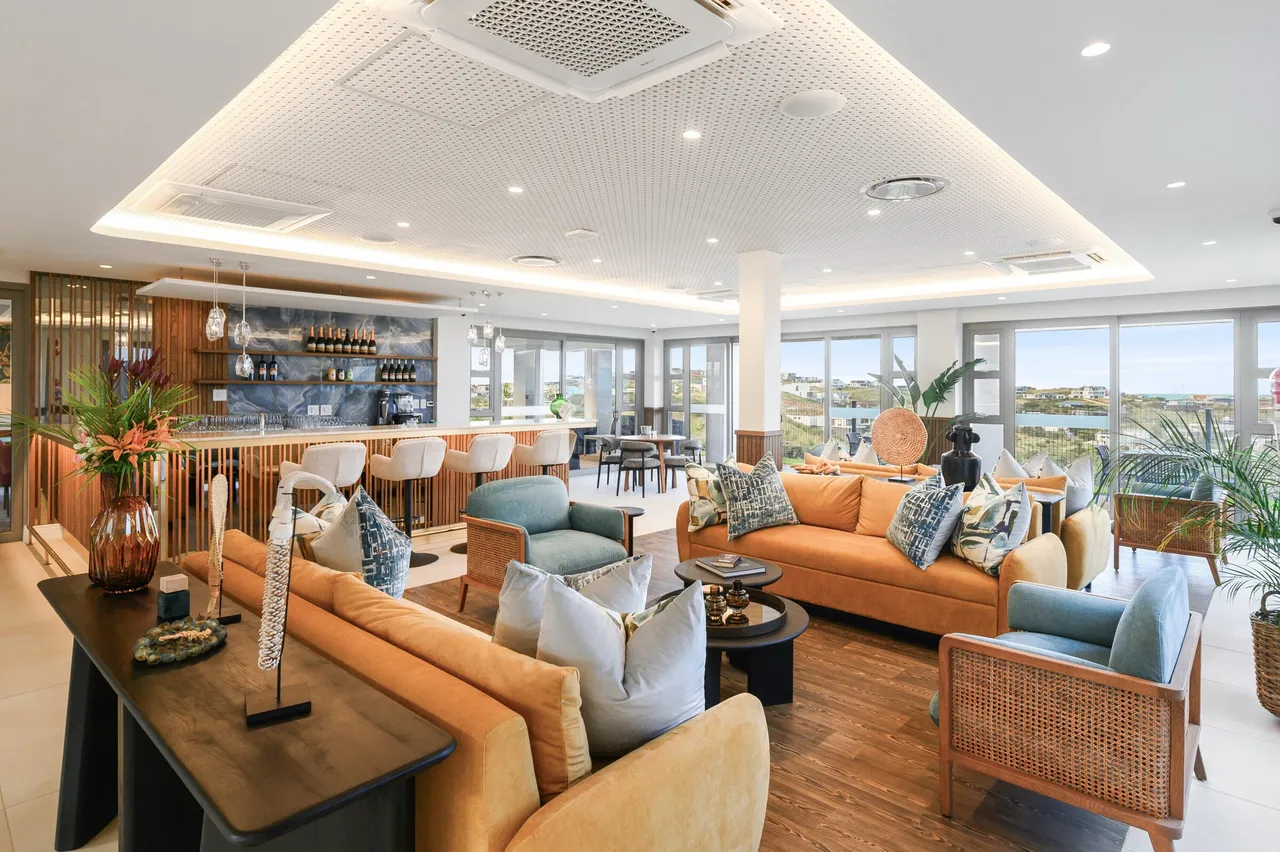
Lifestyle today. Care tomorrow.
That thinking sits behind developments such as Coral Cove. Located on 21 hectares within Zululami Luxury Coastal Estate at Sheffield Beach, the development comprises 218 independent-living units, including garden villas and one- to three-bedroom apartments.
It also includes 18 assisted-living apartments and a 25-bed care centre providing frail and memory care.
The continuing-care model means residents can access additional support as their needs change rather than necessarily having to leave their community and relocate again. For older property buyers, that introduces another consideration into the purchasing decision:
Don’t only evaluate the home you’re buying for today. Consider whether the community can accommodate the life you may be living 10 or 20 years from now.
The bigger property story
South Africa’s ageing population will increasingly influence the residential property market. Developers, investors and operators will need to think beyond the traditional retirement-village model.
The opportunity is likely to lie in creating communities that combine independence, lifestyle, security, healthcare access and long-term flexibility. KwaZulu-Natal’s coast has several of those ingredients already.
Retirement is becoming a lifestyle decision
The available migration statistics don’t tell us exactly how many older South Africans are relocating to KwaZulu-Natal specifically for retirement, and it would be misleading to suggest that they do.
But the direction of the demographic story is clear. South Africa has a rapidly expanding older population. KZN continues to attract significant interprovincial migration. And a healthier generation of people entering their 60s and 70s is reconsidering what later life should look like.
For some, the answer is increasingly found on the coast. The emerging question isn’t simply where South Africans want to retire. It’s where they want to keep living.