







The payday trap that could derail your home loan approval
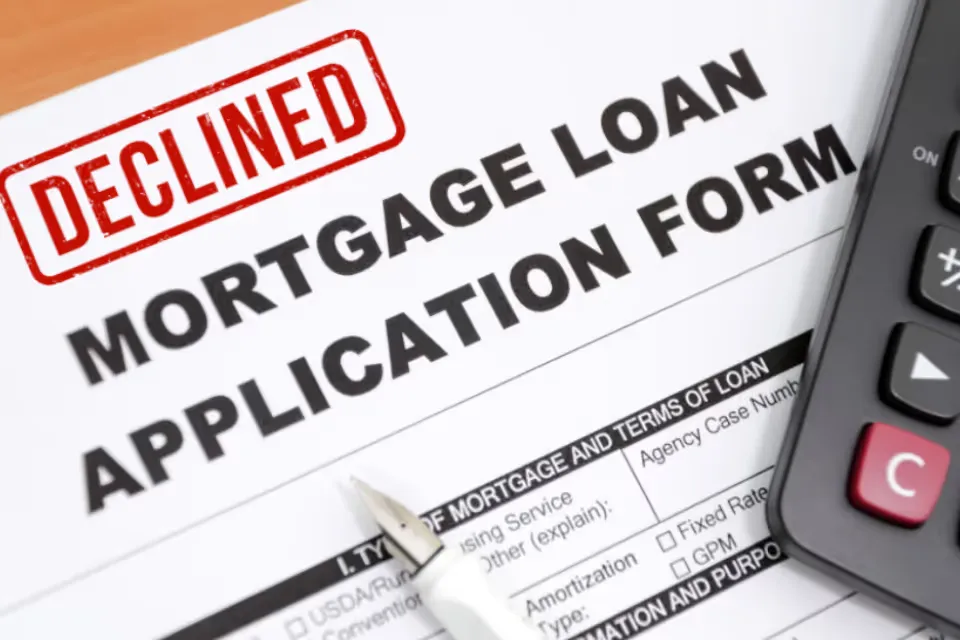
- Frequent payday or temporary loans signal financial strain, even when repayments are made on time.
- Short-term credit can lower credit scores and weaken affordability assessments.
- Payday borrowing months before applying for a bond can lead to declines or higher interest rates.
Why banks decline mortgage applications
As home ownership remains a priority for many South Africans, one of the most common and least understood reasons for bond rejections is the repeated use of payday or temporary loans.
When money runs tight before payday, short-term loans promise quick relief. But while these loans may be repaid quickly, banks do not view them as harmless. Instead, lenders interpret frequent short-term borrowing as financial vulnerability and increased risk, which can directly affect bond approval.
According to industry experts, many buyers are shocked to learn that small, temporary loans can cost them their dream home or increase the long-term cost of borrowing.
Expert Insight
Hannah van Deventer, Director at Phoenix Bonds, explains:
“People often assume that paying back a temporary loan quickly means it won’t affect their bond application. But banks aren’t just looking at repayments, they’re looking at patterns. Frequent use of short-term loans tells lenders you’re struggling to get through the month, and banks take long-term home loan commitments extremely seriously.”
Eight reasons payday loans hurt bond applications
1. Temporary loans signal financial pressure
Even small, repeated loans suggest to banks that applicants rely on debt to survive month-end expenses, raising concerns about affordability and long-term stability.
2. Repaying on time doesn’t remove risk
Borrowers often assume early or punctual repayment proves responsibility, but lenders focus on why the loan was needed in the first place.
3. Banks analyse behaviour, not single events
Modern credit scoring models track borrowing patterns. A once-off loan may pass unnoticed, but repeated short-term borrowing is flagged as risky behaviour.
4. Credit scores still take a knock
Payday loans are classified as high-risk credit. Even perfect repayment records can still reduce credit scores and affect bond terms.
5. Timing before a bond application matters
Loans taken three to six months before applying for a mortgage can reduce approval chances or lead to higher interest rates over the life of the loan.
6. Many borrowers don’t realise these loans count
Consumers are often surprised when past short-term loans show on credit reports, leading banks to offer worse lending terms despite good repayment histories.
7. Overdrafts are often a safer alternative
An overdraft facility, when managed responsibly, appears more structured to lenders and avoids repeated credit checks or risky borrowing signals.
8. Short-term loans delay long-term goals
Repeated reliance on payday loans weakens financial profiles, reducing borrowing power and delaying milestones such as buying a first home.
Avoid payday loans before applying
Short-term loans may solve temporary cash flow problems, but they can carry long-lasting consequences when applying for a home loan.
A clean credit record, controlled borrowing, and structured credit use improve approval chances and secure better bond terms. For buyers planning to purchase property, avoiding payday loans in the months leading up to a bond application may be one of the smartest financial decisions they make.