









R2bn Dipula - Moolman deal clears key regulatory hurdle
Listen · 1-minute summary
0:00 / 1:29
Read the summary
R2 billion Dipula - Moolman deal clears key regulatory hurdle. South Africa's Competition Commission has recommended unconditional approval of a major part of the R2.04 billion property transaction between JSE-listed Dipula Properties and Moolman Group and its co-investors. The recommendation, announced on 22 October 2026, covers Dipula's largest acquisition to date, a nine-property retail portfolio spanning Limpopo, Gauteng, the Free State and North West, with a combined gross lettable area of 89,168 square metres. The Commission found the deal unlikely to lessen competition and raised no public-interest concerns. The portfolio includes Lephalale Mall, Kaalfontein Corner, Makro Bloemfontein and Checkers Centre Polokwane, anchored by tenants such as Checkers, Shoprite, Game, Cashbuild and Makro. Dipula is funding the purchase with a R1.1 billion private placement combined with debt, targeting a blended initial yield of approximately 9.3 percent, while keeping its loan-to-value ratio between 35 and 40 percent. The matter now moves to the Competition Tribunal for a final decision, with other contractual conditions still to be met before implementation. Read the full story by Neale Petersen on rei.co.za.
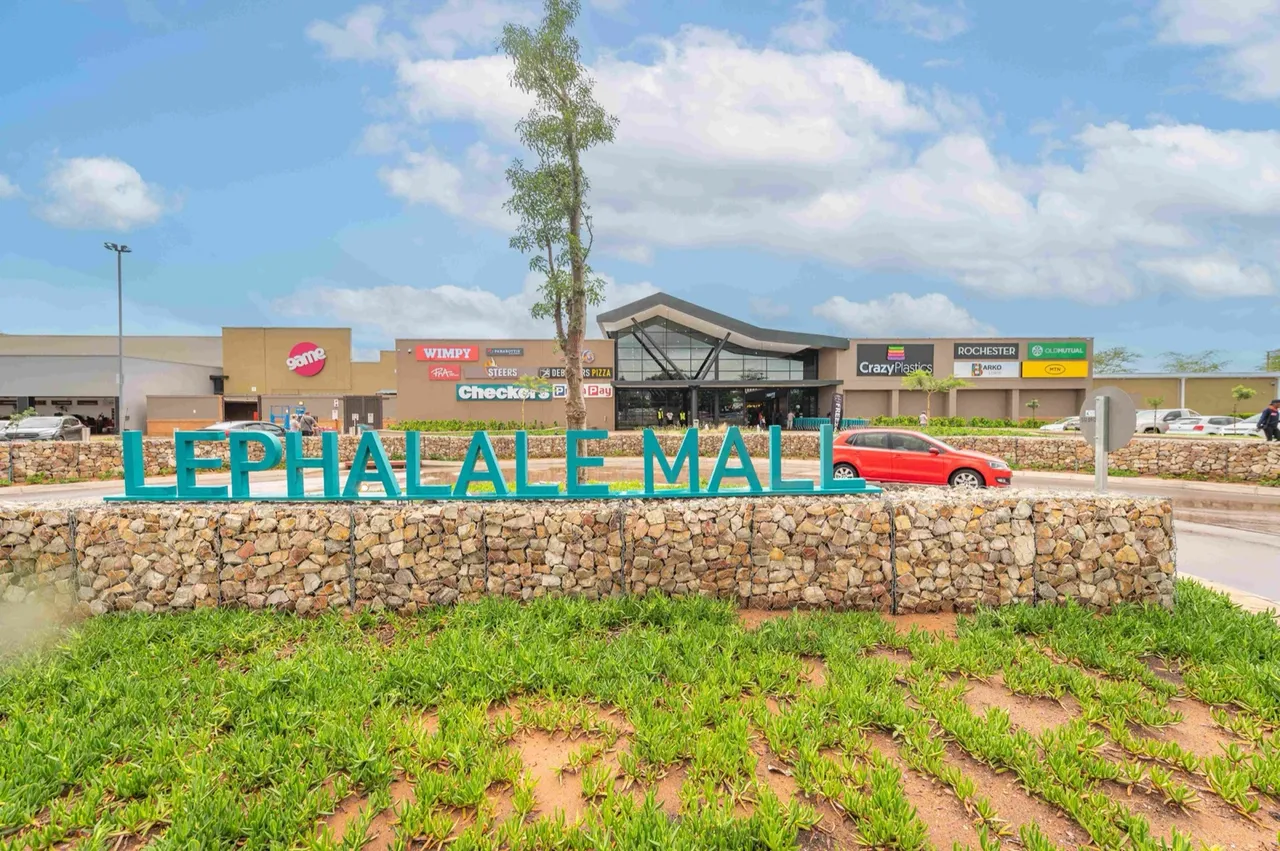
Competition Commission recommends approval of Dipula's R2bn retail acquisition, bringing nine properties and nearly 90,000m² into its expanding portfolio.
- Competition Commission recommends unconditional approval of a major component of Dipula's R2.04bn acquisition from Moolman Group and co-investors.
- The nine-property portfolio spans four provinces, adding 89,168m² of retail space anchored by major national tenants.
- Dipula's R1.1bn equity raise supports its strategy to expand convenience, township and rural retail exposure.
Regulatory breakthrough for landmark property deal
South Africa's Competition Commission has recommended that the Competition Tribunal approve a significant component of the R2.04 billion property transaction between JSE-listed Dipula Properties and Moolman Group and its co-investors.
Announced on 22 October 2026, the recommendation marks an important regulatory milestone for Dipula's largest acquisition to date, involving retail properties across Limpopo, Gauteng, the Free State and North West.
The Commission concluded that the proposed transaction was unlikely to substantially lessen or prevent competition in any market and did not raise significant public-interest concerns.
It consequently recommended approval without conditions. Importantly, this is a recommendation to the Competition Tribunal, not final regulatory approval or confirmation that the acquisition has been completed.
Who are Dipula Properties and Moolman Group?
Dipula: Building a national retail investment platform
Dipula Properties is a JSE-listed, internally managed South African real estate investment trust (REIT) that has been listed since August 2011.
Led by CEO Izak Petersen, Dipula invests across retail, industrial, logistics, office and residential property, with a growing emphasis on defensive community shopping centres serving urban, township and rural markets.
Its acquisition strategy prioritises properties supported by everyday consumer spending, established national tenants and sustainable rental income.
Moolman Group: Nearly six decades of property investment

Moolman Group is one of South Africa's established privately owned property investment and development businesses. Founded in Polokwane in 1967 by Dr Jan Moolman, the family-founded enterprise expanded from modest property developments into a substantial national portfolio of retail and other commercial assets.
Its developments and investments include prominent shopping destinations such as Mall of the North, Middelburg Mall, Rustenburg Mall and Mall at Newmarket.
For Moolman, the transaction represents a significant disposal of established retail assets rather than an exit from the South African property market.
What the Competition Commission has recommended
The regulatory assessment concerns a series of interconnected property acquisitions involving Luxanio Trading, Eptacor and entities associated with Moolman Group.
The proposed transactions include:
- Six rental enterprises associated with Moolman Group, including Lephalale Mall, City Centre Polokwane and Great North Plaza.
- Two rental enterprises held through Eptacor: Kaalfontein Corner and Makro Bloemfontein.
- A broader nine-property acquisition package announced by Dipula in August, which also includes the Checkers Centre Polokwane leasehold interest.
The Commission's recommendation is a major step towards implementation, although applicable transaction conditions and final approvals must still be satisfied.
Inside the R2.04bn retail portfolio
Dipula's August transaction announcement identifies nine properties with a combined gross lettable area of 89,168m². Key assets and agreed values include:
Property | Value |
Lephalale Mall - 50% interest | R516.0m |
Kaalfontein Corner | R297.4m |
Makro Bloemfontein | R284.2m |
City Centre Polokwane | R210.7m |
Checkers Centre Polokwane | R168.3m |
Randsteam Shopping Centre | R154.7m |
Sasolburg Junxion | R147.3m |
Great North Plaza | R134.1m |
Game Centre Vryburg | R129.9m |
Total | R2.043bn |
The portfolio features established national retailers, including Checkers, Shoprite, Game, Cashbuild and Makro. Lephalale Mall is the largest investment by value, with Dipula acquiring a 50% interest while Moolman Group and another partner retain the balance.
How Dipula will finance the acquisition
The transaction is supported by a R1.1 billion private placement announced alongside the acquisition in August. Dipula intends to combine the equity proceeds with existing debt facilities to finance the portfolio. Key financial considerations include:
- Acquisition yield: Approximately 9.3% blended initial yield.
- Funding: R1.1 billion in new equity, supplemented by debt.
- Balance sheet: Dipula expects its loan-to-value ratio to remain between 35% and 40% following implementation.
- Income growth: Management expects the acquisition to be earnings-accretive from day one.
Dipula CEO Izak Petersen has positioned the transaction as disciplined expansion into retail properties with established tenants, diversified locations and opportunities for active asset management.
Why the deal matters for South African retail property
The transaction reinforces investor appetite for shopping centres serving communities where grocery shopping, essential services and value retail support recurring customer visits.
For Dipula, the acquisition is expected to strengthen its retail weighting while reducing its relative exposure to offices. The strategic implications include:
- Greater retail concentration: Retail is expected to contribute close to 80% of Dipula's income in the short term.
- Geographic diversification: The portfolio expands exposure across four provinces.
- Established income streams: National retail anchors provide an existing tenant base.
- Operational efficiencies: Dipula intends to use its internal property management capabilities to enhance performance.
For Moolman Group, the disposal also demonstrates how established private property investors can recycle capital while retaining other assets and pursuing new developments.
What happens next?
The Competition Commission's recommendation brings the parties closer to completing the acquisition, but several steps remain.
- The Competition Tribunal must consider the recommendation and issue its decision.
- Remaining contractual and regulatory conditions must be fulfilled.
- Individual property transfers and related transactions will be implemented according to their respective agreements.
The bottom line: A significant shift in retail ownership
The R2.04 billion Dipula - Moolman transaction highlights the continuing strategic importance of convenience-led, township and regional retail assets in South Africa.
For Dipula, the acquisition represents a substantial expansion of its retail investment platform, backed by fresh equity and an established portfolio of income-producing properties.
For Moolman Group, it represents a significant capital-recycling opportunity after decades of developing and investing in commercial property.
The Competition Commission's recommendation is a major milestone, but final Tribunal approval and transaction implementation remain the next critical steps.
The deal illustrates a broader trend in South African commercial property: established private owners recycling capital while listed REITs selectively acquire retail assets offering scale, geographic diversification and sustainable rental income.
Editorial source note: SENS the 22 October Competition Commission recommendation and REI's existing Moolman Group background feature.