





Fuel shock vs Property resilience: SA market split
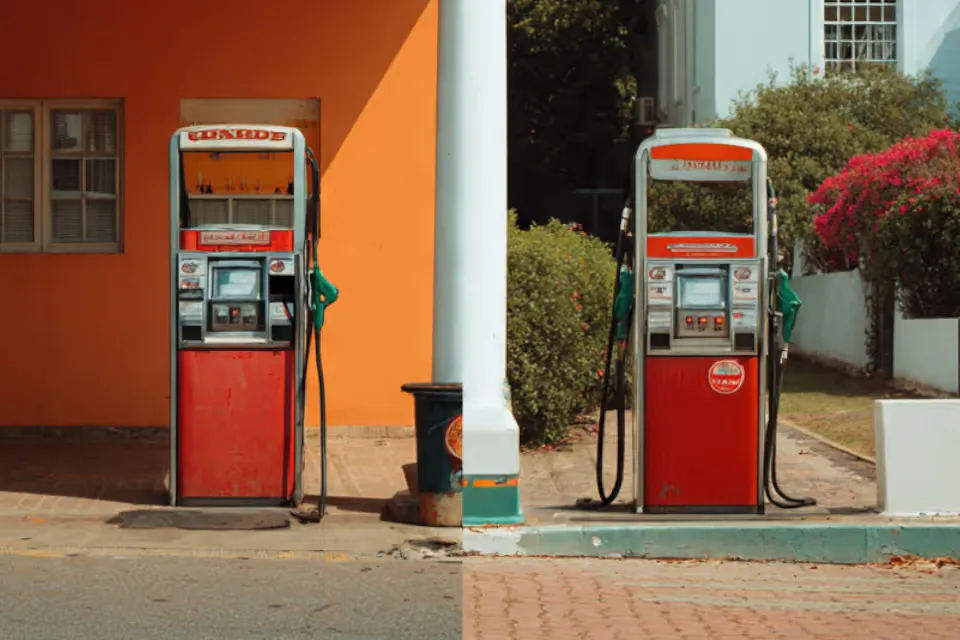
- Oil spikes and Middle East tensions threaten inflation and rate hikes, tightening affordability and slowing buyer momentum.
- Demand remains resilient, but buyers are highly price-sensitive and disciplined - value-driven deals are winning.
- Sellers who ignore macro risks and overprice will stall; realistic pricing is now the defining success factor.
A market shaped by behaviour, not just economics
The South African property market is no longer driven by broad cycles, it’s being shaped by behaviour.
Buyers are cautious, analytical, and increasingly disciplined. Sellers, on the other hand, are being forced to adapt to a market where optimism must be balanced with realism.
The backdrop is clear: escalating tensions in the Middle East are pushing oil prices higher, with fuel increases expected to surge. That feeds directly into inflation and potentially into interest rate hikes.
The South African Reserve Bank has already signalled a “wait-and-see” approach. But the message is blunt: if oil prices remain elevated, a rate hike as early as May is firmly on the table.
This is where the divide begins.
The Upside: Resilience, demand and improved fundamentals
Despite global volatility, there are still strong undercurrents supporting the market.
1. Interest rate relief still matters
Rates may be on hold, but they are still 1.5 percentage points lower than a year ago. That has materially improved affordability compared to 2024.
2. Inflation has been contained
Inflation slowed to around 3% in early 2026, aligning with the Reserve Bank’s target. This created a window of stability that revived buyer activity.
3. Real income growth is holding
Salaries are expected to rise between 5% and 6%, suggesting real income gains, at least for now. As Stephen Whitcombe, MD of FIRZT Realty points out, this has supported buyer confidence and activity levels.
4. Demand is real and rising
Banks are competing for quality lending, and well-priced properties are moving.
- 77% of buyers say now is a good time to buy
- Renters entering the market are increasing
- Investor sentiment remains high
5. Market stability builds confidence
According to Fritz Swanepoel, CEO of Leapfrog Property Group, stability even without rate cuts provides something critical: predictability and predictability drives transactions.
The Downside: Fuel, inflation and fragile affordability
This is where the pressure builds and fast.
1. Fuel price shock = Inflation risk
A sharp rise in oil prices due to Middle East conflict feeds directly into:
- Transport costs
- Food prices
- Construction and logistics
That puts upward pressure on inflation and interest rates.
2. Rate hike risk is back
The Reserve Bank has made it clear: If inflation rises, rate hikes will follow. This shifts sentiment almost overnight, from recovery to caution.
3. Cost of living is crushing consumers
Compared to five years ago:
- Electricity: +68%
- Water: +50%
- Transport: +35% (before new fuel hikes)
- Education: +42%
- Healthcare: +33%
Buyers may want to purchase but their capacity is under strain.
4. Debt levels remain high
Households are spending around 50% of disposable income on debt repayments. That limits flexibility and reduces room for higher bond repayments.
5. Buyers are highly price sensitive
This is the big shift. As Berry Everitt, CEO of Chas Everitt International Property group notes:
- Demand is improving
- But buyers are comparing value aggressively
- Overpriced homes are simply being ignored
The real battleground: Pricing discipline
This is where the market is being won or lost. There is still ample stock in many areas. Buyers have choice and they are using it.
The result?
- Well-priced homes - sell quickly
- Overpriced homes - sit, stagnate, and discount later
Whitcombe is direct: sellers should not interpret stability as a signal to push prices higher.
Instead:
- Price competitively
- Focus on value
- Align with local market conditions
Because right now, pricing is strategy.
What this means: A two-speed market
South Africa’s property market is not crashing, but it’s not cruising either. It’s splitting.
On one side:
- Strong demand
- Active buyers
- Improving sentiment
On the other:
- Rising living costs
- Fuel-driven inflation risk
- Potential rate hikes
This creates a two-speed market:
- Properties aligned with value - always transact
- Properties chasing price - always stall
Realism wins in the current market
The opportunity is still there, but it’s narrower and more selective.
For Sellers
- Forget chasing the peak
- Price for today’s buyer, not yesterday’s market
- Speed and certainty matter more than squeezing the last rand
For Buyers
- Stay disciplined
- Focus on long-term affordability
- Use current stability before potential rate pressure returns
For Investors
- Look beyond noise
- Target high-demand nodes
- Prioritise cash flow and yield over speculation
The South African property market is holding its ground, but it’s walking a tightrope. Global shocks, especially oil and geopolitical conflict, are now directly influencing local property outcomes.
The fundamentals are intact. Demand is real. Confidence exists. But the margin for error has disappeared. This is no longer a market of optimism alone. It’s a market of precision, discipline, and timing.