





Could you become South Africa’s next property developer?
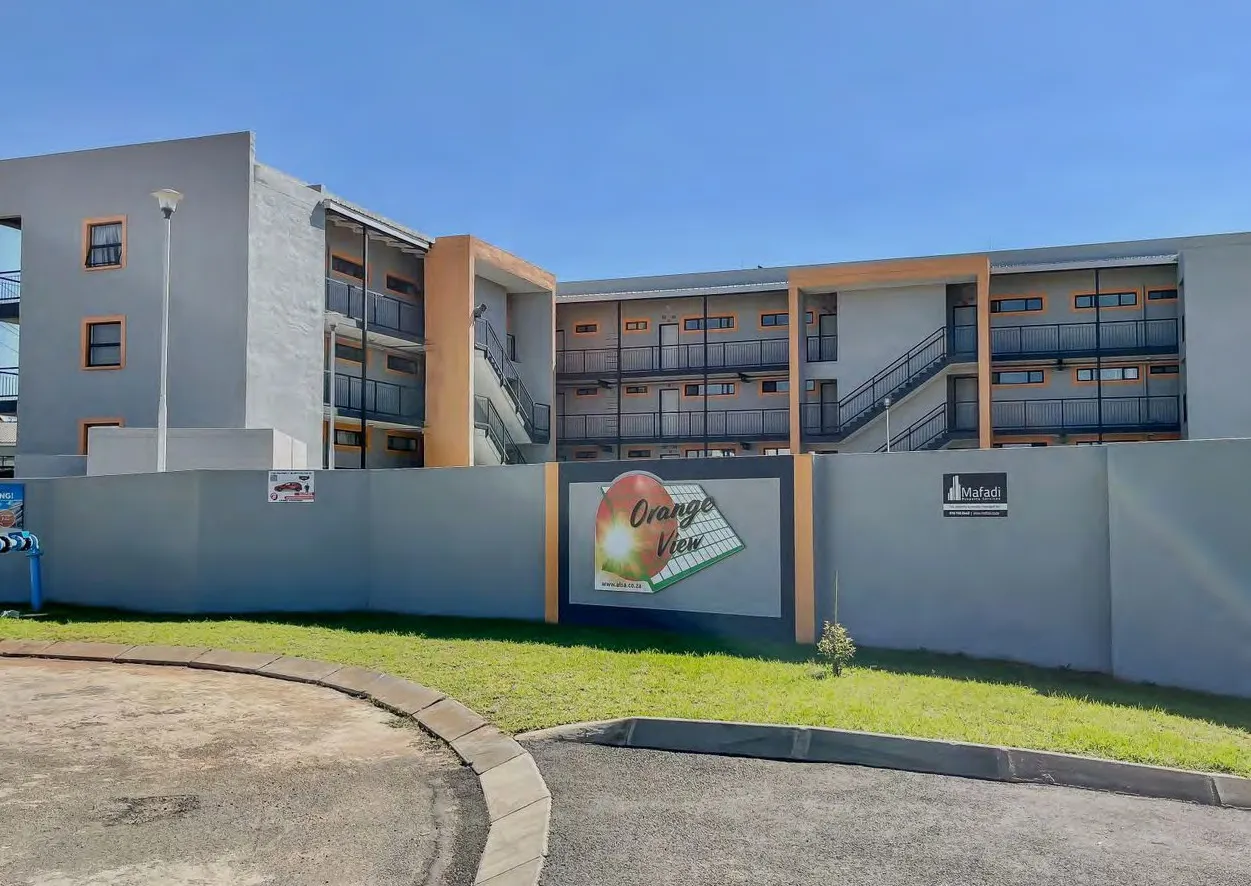
The leap from investor or built-environment professional to developer is demanding, but a structured platform can make the journey more achievable.
Part 1 of an REI Development Series, in partnership with ALSA. From the September 2026 edition of REI Magazine.
- Development demands more than capital: it requires viable land, finance, approvals, construction discipline, sales and reliable professional support.
- ALSA’s model helps capable investors and built-environment professionals navigate each stage through systems, training and centralised expertise.
- The opportunity is substantial, but success depends on feasibility, working capital, disciplined governance and a long-term commitment.
South Africa does not only need more houses. It needs more capable developers who can turn land, finance, professional expertise and market demand into homes people can afford to buy.
That creates an important question for experienced property investors, architects, quantity surveyors, engineers, construction professionals and entrepreneurs: could your next move be to become a property developer?
Many already understand property, construction or finance, but have never led an entire development. The barriers are real: viable land, proven demand, approvals, capital, construction, buyers and transfers. One weak link can undermine the project.
The opportunity is equally real. South Africa’s shortage of well-located, entry-level housing remains substantial. ALSA reports more than 3,500 units under development and a pipeline exceeding 7,700 homes across six provinces.
The answer is not to make development look easy. It is to make the process understandable, structured and repeatable.
From owning property to creating it
Property investment and property development are related, but they are not the same business.
An investor usually buys an existing asset and focuses on income, costs and capital growth. A developer starts earlier: identifying the opportunity, assembling the site, proving demand, securing funding and approvals, delivering the buildings and completing sales and transfers.
That means the developer creates the asset before earning a return from it. The risk is greater, the capital cycle is longer, and the number of moving parts increases sharply. But development also gives capable operators the opportunity to create value rather than merely purchase it.
This is why ALSA’s proposition is aimed less at complete beginners and more at people who already bring part of the development equation: professional knowledge, property experience, capital, land, construction capability or entrepreneurial discipline.
Step 1: Know whether development suits you
Before looking for a site, assess whether development matches your skills, resources and temperament. A developer must manage professionals, make decisions under pressure and keep moving through delays.
ALSA has made clear that this is not a get-rich-quick opportunity. Prospective franchisees need an appropriate practical or academic background, sufficient capital, sound values and a long-term outlook.
Its formal onboarding process can take approximately three to six months. Ask what you bring: design, construction, finance, sales, project management, capital or land. Can you lead a team, follow sound governance and learn what you do not yet understand?
Step 2: Start with demand, not land
A cheap site is not automatically a development opportunity. The starting point is a clearly defined buyer and a location that supports that buyer’s life.
Study incomes, bond affordability, employment nodes, transport, amenities, municipal services and competing supply. Then define the unit size, price, density, parking and operating cost the market can absorb.
Affordable housing only works when it is affordable beyond the purchase price. Rates, levies, electricity and transport costs all affect whether a household can sustain ownership.
ALSA’s emphasis on energy-efficient infrastructure, including solar PV, battery storage and centralised heat-pump systems in selected projects, is intended to reduce long-term operating pressure while improving resilience.
Step 3: Test the feasibility before falling in love
Development decisions must be driven by numbers. A proper feasibility study brings the site, product, selling prices, professional fees, statutory charges, construction costs, finance costs, sales costs, contingencies, taxes, timing and expected return into one model.
Stress-test every assumption. What if approvals take longer, construction costs rise or sales slow? How much working capital and presales will the funder require?
This is where many aspiring developers fail: they calculate the visible building cost, but underestimate time, professional work, compliance, marketing, finance and cash needed between milestones. A project should still be viable when realistic setbacks are included.
Step 4: Structure the project for control and funding
Development requires clear ownership, governance and accountability. ALSA’s model uses a ring-fenced special-purpose vehicle for each development, separating the project from day-to-day management activities and creating clearer financial flows and risk allocation.
The structure must define land ownership, equity, contracting authority, funding flows, fees and profit distribution. These choices have legal, tax and financing consequences, making independent advice essential.
A clean structure does not guarantee funding, but it makes a project easier for lenders and partners to understand, assess and monitor.
Step 5: Build the right team and approvals pathway
No developer succeeds alone. A project may require architects, engineers, quantity surveyors, town planners, environmental specialists, conveyancers, contractors, sales teams, bond originators and project managers.
The developer coordinates these disciplines around one viable outcome: confirming zoning and title conditions, managing approvals, controlling the programme, procuring construction and maintaining accurate reporting.
ALSA’s franchise-led approach is designed to give local developers access to standardised architectural designs, Bills of Quantities, operational manuals, feasibility tools, sales and credit-origination systems, training and central technical, financial and administrative support. Franchisees can also shadow active developments before taking full responsibility for their own projects.
The local operator still has serious work to do — particularly around finding viable sites, driving approvals, managing construction and building local relationships — but does not need to invent every system from scratch.
Step 6: Finance the full journey
Development finance is not simply a larger home loan. Funders assess the land, equity contribution, feasibility, approvals, professional team, contractor, presales, projected cash flow and exit strategy.
Aspiring developers need genuine skin in the game, working capital for early stages and delays, and disciplined cost control. Every variation, late decision and overrun can erode the margin.
The strongest funding application is a thoroughly packaged project: credible demand, controlled land, realistic costs, appropriate approvals, capable delivery partners and a clear route from construction to sale and transfer.
A structured route from interest to development
ALSA’s onboarding journey begins with initial engagement and fit assessment. Suitable prospects move through an application, franchise committee review, disclosure and contracting process, followed by training and practical exposure to active developments.
The aim is to identify people with the capability, resources and values to build sustainably. For the right candidate, the platform can reduce the isolation and avoidable trial and error facing first-time developers.
It also creates a wider opportunity for landowners.
A person may not want to become a developer but may control a site with residential potential. Connecting viable land, capable local operators, central development systems and appropriate capital can unlock projects that might otherwise remain dormant.
This is the beginning of the journey
Becoming a developer does not happen with a title change or a single workshop. It happens by learning the process, proving one viable project, building a reliable team and developing the discipline to repeat what works.
Over the coming months, Real Estate Investor and ALSA will unpack that journey: financing a first development, finding where housing is needed, testing sites and moving from blueprint to building. We will also document real projects and the people making the transition.
South Africa needs more housing. It needs more credible people capable of building it. For an investor or property professional ready to move from owning assets to creating them, the next question is no longer simply, ‘Where should I invest?’ It may be, ‘What am I ready to develop?’
Contact ALSA
Explore the ALSA developer opportunity and find out whether you qualify to begin the journey.
- Website: alsa.co.za
- Enquiries: alsa.co.za/#contact
- Juanita de Beer: juanita@alsa.co.za · 079 499 5386
This article first appeared in the September 2026 edition of REI Magazine. Read the full issue.