
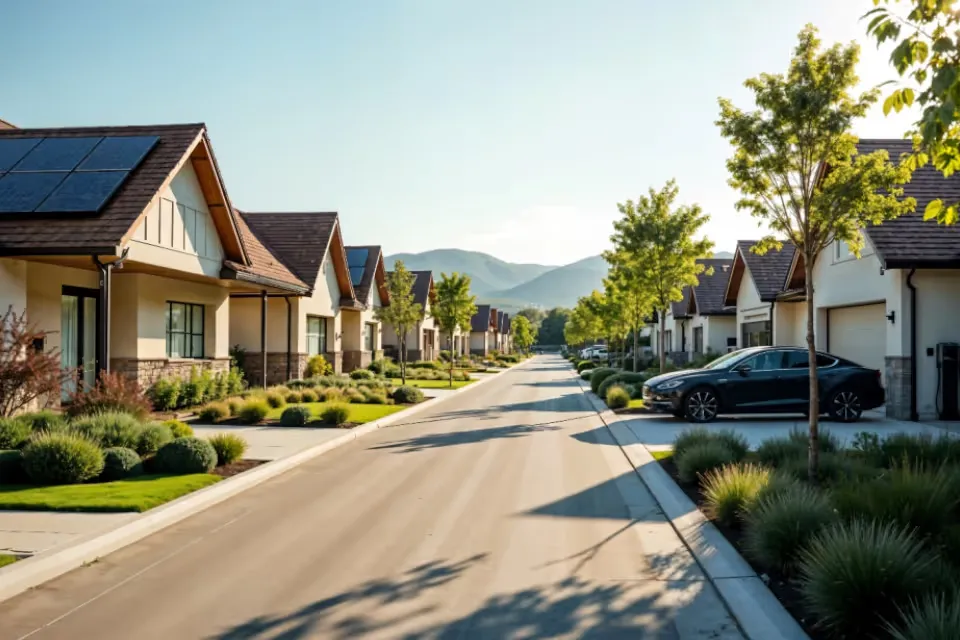
SA’s housing market is splitting in two
South Africa’s housing market is splitting as affordable buyers lose access to bonds, young buyers enter later, and informal finance fills the widening gap






South Africa’s housing market is splitting as affordable buyers lose access to bonds, young buyers enter later, and informal finance fills the widening gap

Rosebank is emerging as Gauteng’s new property power node, attracting investors with stronger yields, lower vacancies and rising urban demand

South Africa’s property market is showing surprising strength as buyer demand, semigration, and competitive lending support growth across regions nationwide

South Africa’s semigration shift is diversifying demand as affordability, jobs and return-to-office trends boost inland property markets

Buyers are moving into estates as security, reliable services, and infrastructure resilience drive demand while municipal decline weakens suburbs

Neighbourhood quality, service delivery, and local governance now shape property value as much as the home itself in South Africa

Renting offers flexibility and lower short-term costs, while buying still builds long-term wealth, stability, and financial discipline

Retirement downsizing trends are reshaping South Africa’s housing market as more retirees choose secure, low-maintenance estates, sectional title homes and retirement villages

First-time buyers should stop waiting as rising rents, housing demand, and smarter planning make homeownership more achievable than many think

South Africa’s property market is splitting as Gauteng gains on value, the Western Cape stays premium, and coastal nodes benefit from lifestyle demand
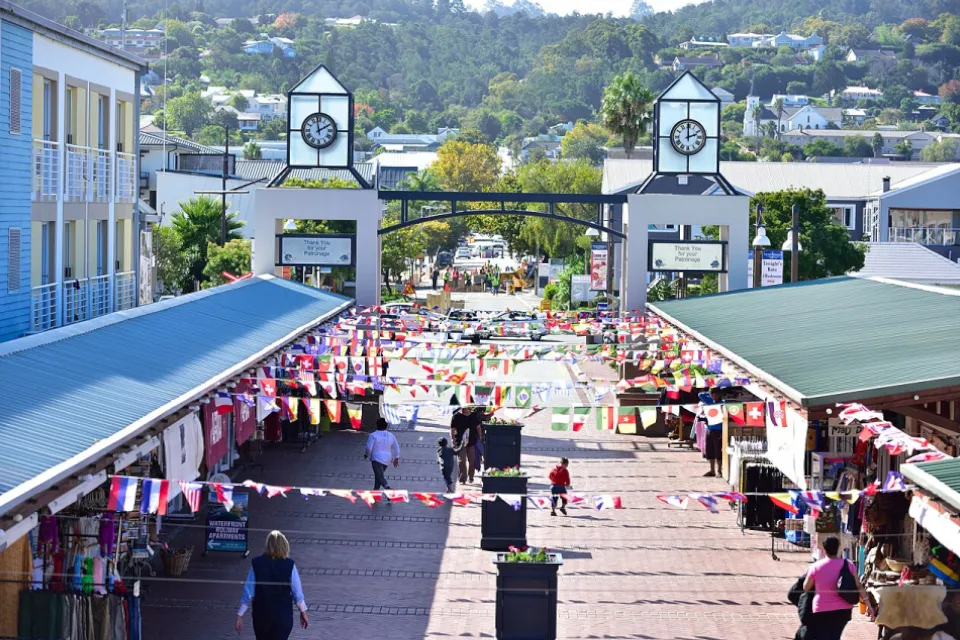
Knysna property prices have surged 37% since 2022 as semigration, lifestyle demand, and estate sales continue to outweigh service delivery failures

Women are leading South Africa’s property market, using disciplined investing, smarter planning, and homeownership to build long-term wealth