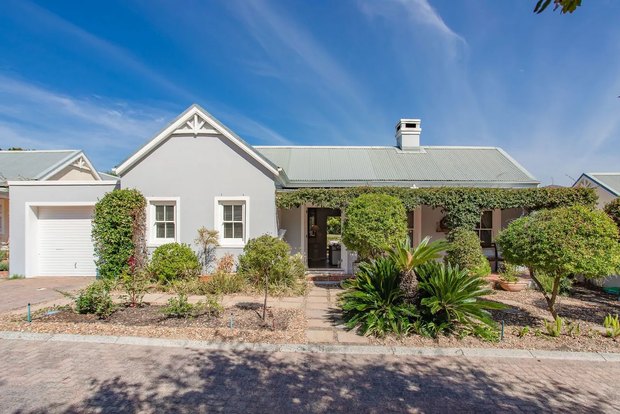
The Diary of a CEO host has put his Bishopscourt mansion on the market for R189 million, more than twice what he reportedly paid for the Cape Town property two years ago.
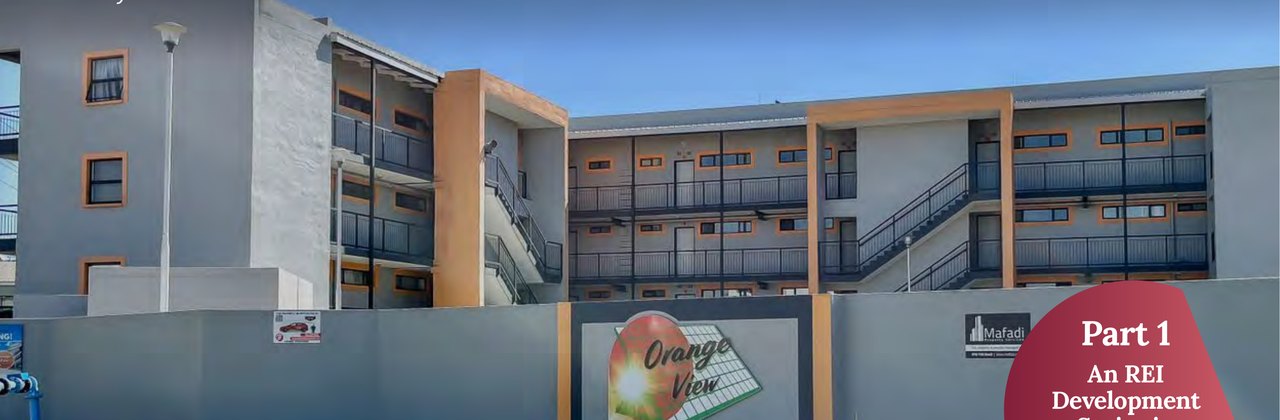
Go behind the numbers with Amanda Stone, Michael Brink and overall winner Jacques Coetzee as they reveal how they found their opportunities, financed their deals, managed the risks and created award-winning returns.
RATES ARE UP. THAT DOESN’T MEAN INVESTORS SHOULD SIT STILL
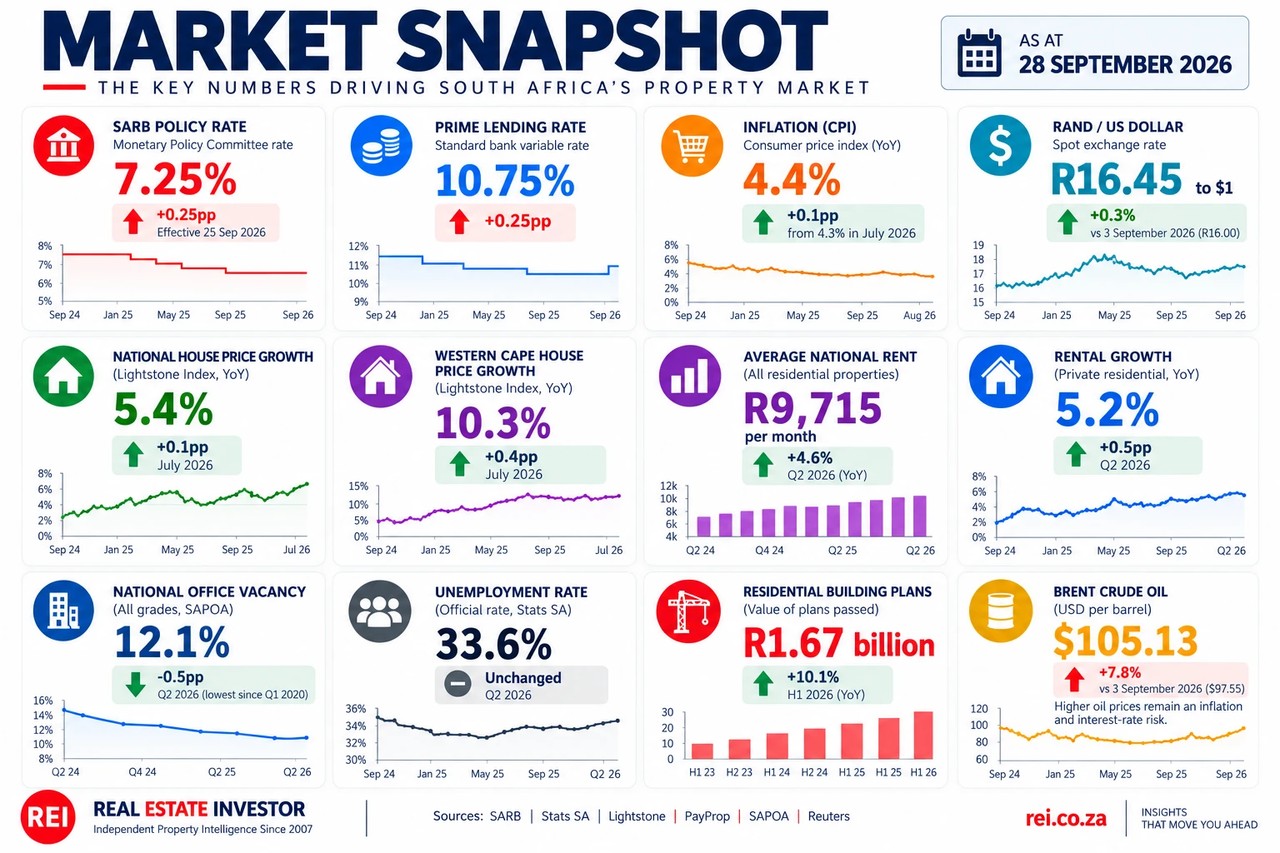
Last week’s 25-basis-point interest-rate increase was not what South African property owners wanted. With the repo rate now at 7.25% and prime at 10.75%, debt has become more expensive again.
But I don’t think the message for property investors is simply “wait until rates come down.” The bigger message is: become more selective.
International markets remain unsettled. Geopolitical risk, energy prices and inflation have complicated the interest-rate outlook, while economic growth remains under pressure in many markets. South Africa has its own growth constraints, and higher borrowing costs put another squeeze on household affordability.
Yet property is never one market. Look underneath the headline numbers and capital is still moving.
Lifestyle and semigration demand continue to support parts of the Western Cape and KwaZulu-Natal. The Boland is attracting buyers into Paarl, Stellenbosch and Franschhoek. Cape Town’s premium market continues to produce extraordinary asking prices. Student accommodation and affordable housing remain driven by structural demand rather than sentiment alone. And in sectional-title schemes, something as seemingly operational as electricity strategy can increasingly affect an investor’s yield.
So what would I be doing now? I would not chase property simply because I expect interest rates to fall again. I would look for assets where the numbers work at today’s financing cost.
That means testing every investment against a higher rate, a vacancy period, increasing levies and maintenance costs. It means negotiating harder. It means looking closely at income rather than assuming capital growth will rescue a weak deal.
And it means keeping some ammunition available. Markets like this often create opportunities precisely because some buyers retreat. Higher rates change the numbers. They don’t eliminate the opportunities.
The investor advantage now belongs to those who can tell the difference. Neale Petersen Founder and Editor-in-Chief Real Estate Investor
Five sectors. Five signals. What property investors should be watching now.
RESIDENTIAL | BUYERS ARE GETTING MORE SELECTIVE
The rate hike has increased borrowing costs again, but demand hasn’t disappeared. It is becoming far more location-specific.
•
Lifestyle and semigration markets remain resilient.
•
Security, schools and infrastructure are commanding premiums.
•
The Winelands and selected coastal markets continue attracting capital.
INVESTOR WATCH: Don’t buy the national market — buy the micro-market. Focus on constrained supply, rental demand, infrastructure and affordability at today’s interest rates.
RENTALS | AFFORDABILITY IS THE NEW BATTLEGROUND
Higher borrowing costs could keep potential buyers renting longer, supporting rental demand. But tenants are increasingly watching their total cost of living.
•
Rent is only one part of affordability.
•
Electricity and utilities increasingly influence tenant decisions.
•
Retention and low vacancies can matter more than maximum rental.
INVESTOR WATCH: A slightly lower rental with a reliable long-term tenant can outperform a higher asking rental with repeated vacancies.
COMMERCIAL | FOLLOW TENANTS, NOT HEADLINES
Commercial property is becoming increasingly asset-specific. Investors need to look beyond headline yields.
•
Industrial and logistics remain worth watching.
•
Convenience retail benefits from everyday consumer demand.
•
Office opportunities depend heavily on location and building quality.
INVESTOR WATCH: Ask one critical question: Who will occupy this property five years from now and why? If there isn’t a convincing answer, the advertised yield means very little.
LISTED PROPERTY | INCOME MEETS LIQUIDITY
REITs offer exposure to major property portfolios without directly buying physical property, but higher interest rates change the investment equation. Watch:
•
Distributable income and dividend growth
•
Occupancy and rental performance
•
Debt and refinancing costs
•
Discounts or premiums to NAV
INVESTOR WATCH: Volatility can create opportunity. Don’t simply chase the biggest discount; make sure the underlying property portfolio deserves your capital.
DEVELOPMENT & FINANCE | LESS ROOM FOR ERROR
Higher finance and construction costs mean development feasibility needs tougher stress-testing. Before committing capital, test:
•
Interest rates: What if funding becomes more expensive?
•
Construction: What if completion runs three months late?
•
Sales: What if take-up is slower?
•
Exit: What if selling prices miss forecast?
INVESTOR WATCH: The best development isn’t necessarily the one showing the highest projected return. It’s the one that can still work when assumptions go wrong.
WEBINAR REPLAY | HOW THE WINNERS DID IT
INSIDE THREE AWARD-WINNING PROPERTY DEALS
Three investors. Three very different strategies. Real numbers, real risks and the decisions that turned their deals into 2026 Investor of the Year winners.
Registration closes in 24 hours, or earlier if the final seats are taken.
If you own student accommodation, are considering buying it or want to understand whether a potential deal actually works, Retha van Rooyen’s Student Investment Masterclass is designed to move from theory into the numbers.
Across two live evenings, work through:
•
Your property’s likely NSFAS grading position
•
Which improvements are actually worth spending money on
•
How to evaluate income, costs and cash flow
•
What can destroy the economics of a student-property deal
•
How to assess whether the opportunity genuinely stacks up
PLUS: Free Vumelo trial plus the new book included.
30 SEPTEMBER – 1 OCTOBER | 18:00 – 20:00 | LIVE ONLINE
Interest rates rise. Markets slow. Sentiment changes. Buyers disappear and then return. There is never a moment when every economic indicator tells you it is safe to invest.
The investors who build sustainable wealth don’t ignore risk, they price it.
Right now, money costs more. That raises the hurdle rate and forces better discipline. But it can also remove competition, strengthen negotiating positions and expose opportunities that disappear when confidence returns.
So don’t ask: “Is this a good time to buy property?” Ask: “Is this a good property, at the right price, with numbers that still work in this market?”
That is a much better investment question. QUOTE OF THE WEEK “In uncertain markets, the opportunity isn’t in predicting what happens next. It’s in buying assets that don’t need perfect conditions to work.” REI
Follow Us On
LOVE THIS NEWSLETTER! STAY AHEAD WITH REI
Get the property intelligence, opportunities and insights that matter, delivered directly to you.
You are receiving this email because you opted in through the REI website, subscribed to our newsletter or magazine, registered for one of our webinars, or attended an REI event.
Mailing address: REI, 10 Howard Studios, Sheldon Way, Pinelands, 7405, Cape Town, South Africa.