









Cape Town’s Property Boom: Growth or crisis
Listen · 1-minute summary
0:00 / 1:25
Read the summary
Western Cape at a defining moment for property investment. Deon van Zyl, Chairperson of the Western Cape Property Development Forum, says political stability, international investor interest and rising development demand offer a rare opportunity. But he warns the province risks becoming a victim of its own success. Interest is coming from Europe, the United States and the United Arab Emirates, particularly in Clifton and Camps Bay. Domestic migration is also adding pressure on housing and infrastructure. Van Zyl names affordability as one of the most serious emerging risks. He wants more innovation in housing delivery and calls densification an economic strategy. He sees hope in a proposed City of Cape Town initiative, referred to as District Nine. It could include approximately 42 officials, with a potential focus on projects exceeding R50 million. He warned against a two-tier approval system that leaves smaller projects behind. His strongest criticism was red tape. Research with the University of Cape Town indicated that developers can face timelines extending three to five years. He urges a shared growth vision extending towards 2050. Read the full story by Neale Petersen on rei.co.za.
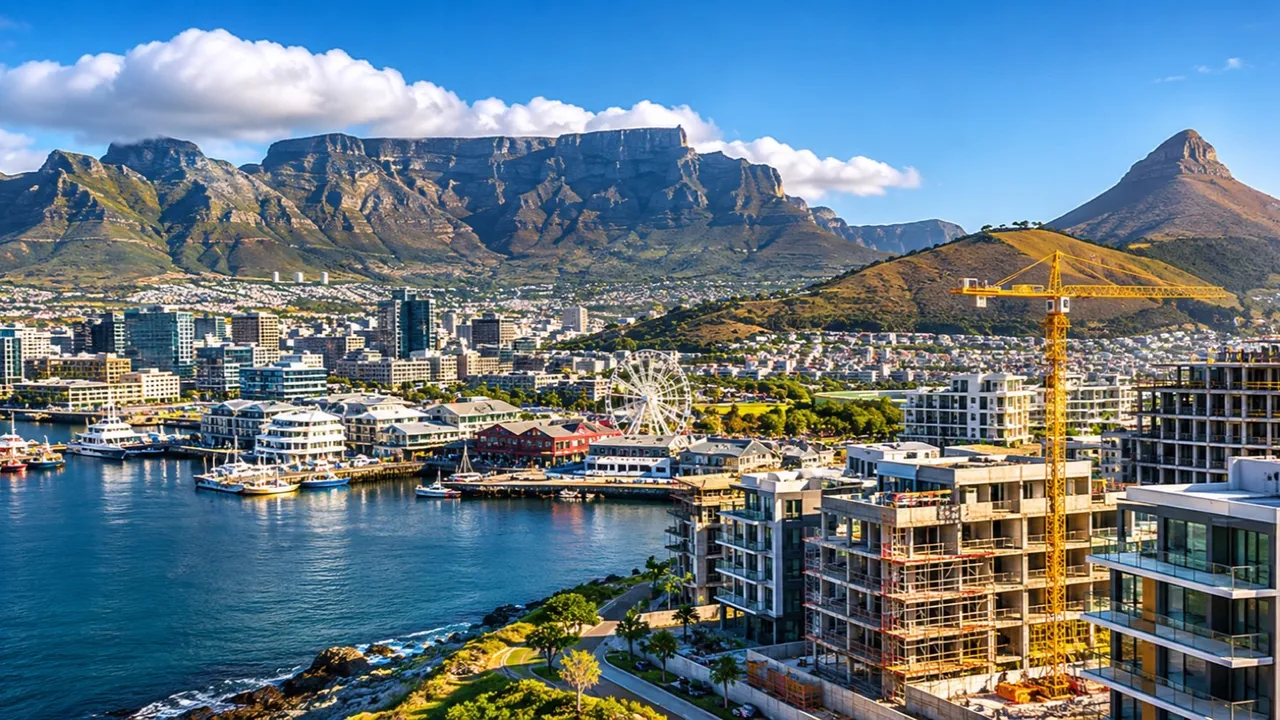
WCPDF Chairperson Deon van Zyl warns that political stability, international investment and rising development demand offer the Western Cape a rare opportunity, but red tape, infrastructure constraints and housing affordability could undermine its future.
- Political stability creates a window for the Western Cape to accelerate investment, unlock development and establish a long-term growth vision.
- Cape Town’s international appeal is growing, but housing affordability, land scarcity and infrastructure pressures threaten sustainable expansion.
- New City of Cape Town initiatives could accelerate major developments, provided smaller projects are not left behind.
Western Cape at a defining moment for property investment
The Western Cape stands at a critical turning point in its economic and property development journey, with political stability, international investor interest and increasing development demand creating an opportunity to reshape the region’s future.
But without a coordinated growth strategy, faster municipal approvals and more innovative approaches to housing and infrastructure, the province risks becoming a victim of its own success.
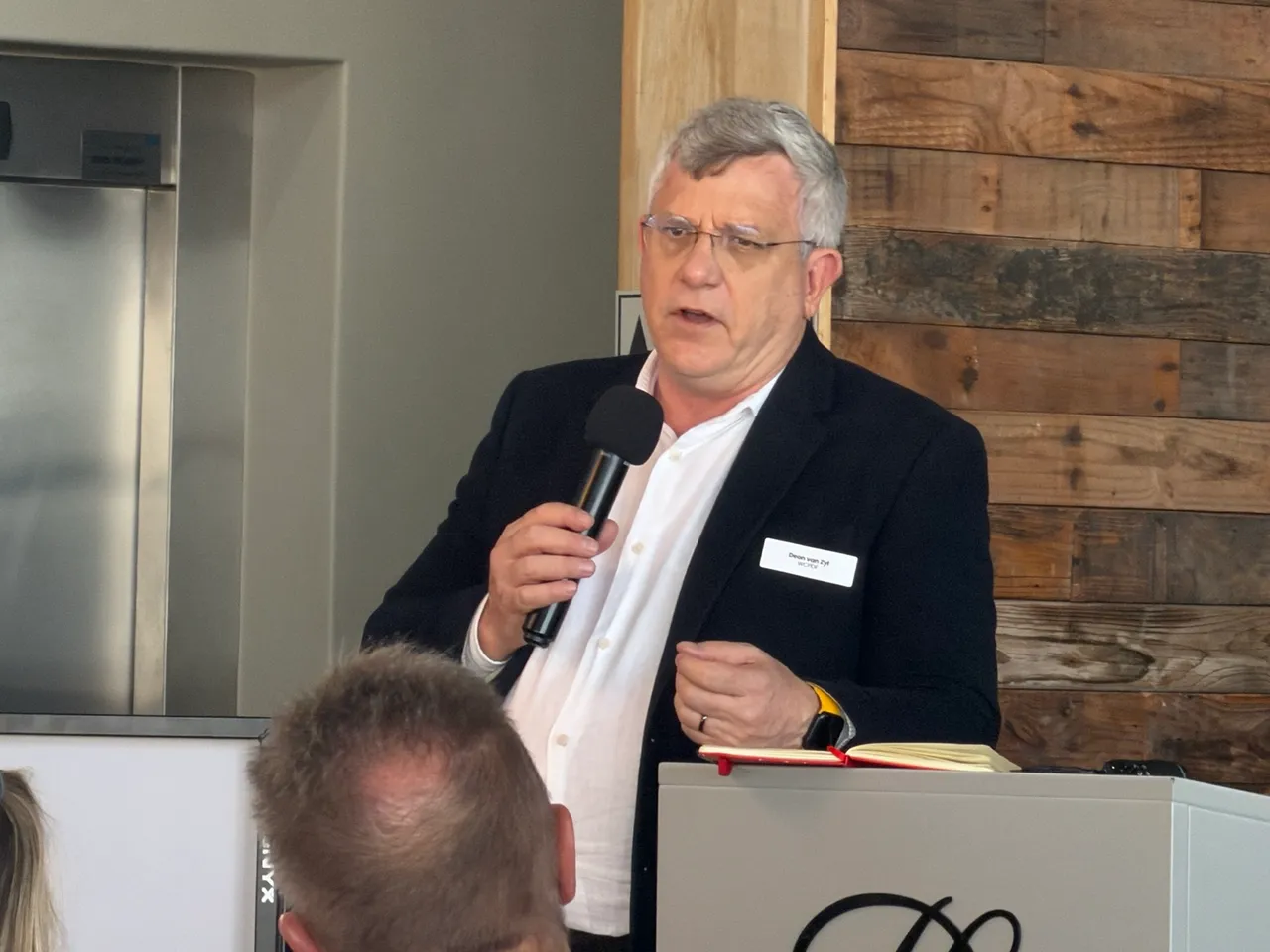
That was the central message from Deon van Zyl, Chairperson of the Western Cape Property Development Forum (WCPDF), during his presentation at the Landmark event, A Growth Vision for the Western Cape, followed by an industry discussion on densification, Stellenbosch and development approvals.
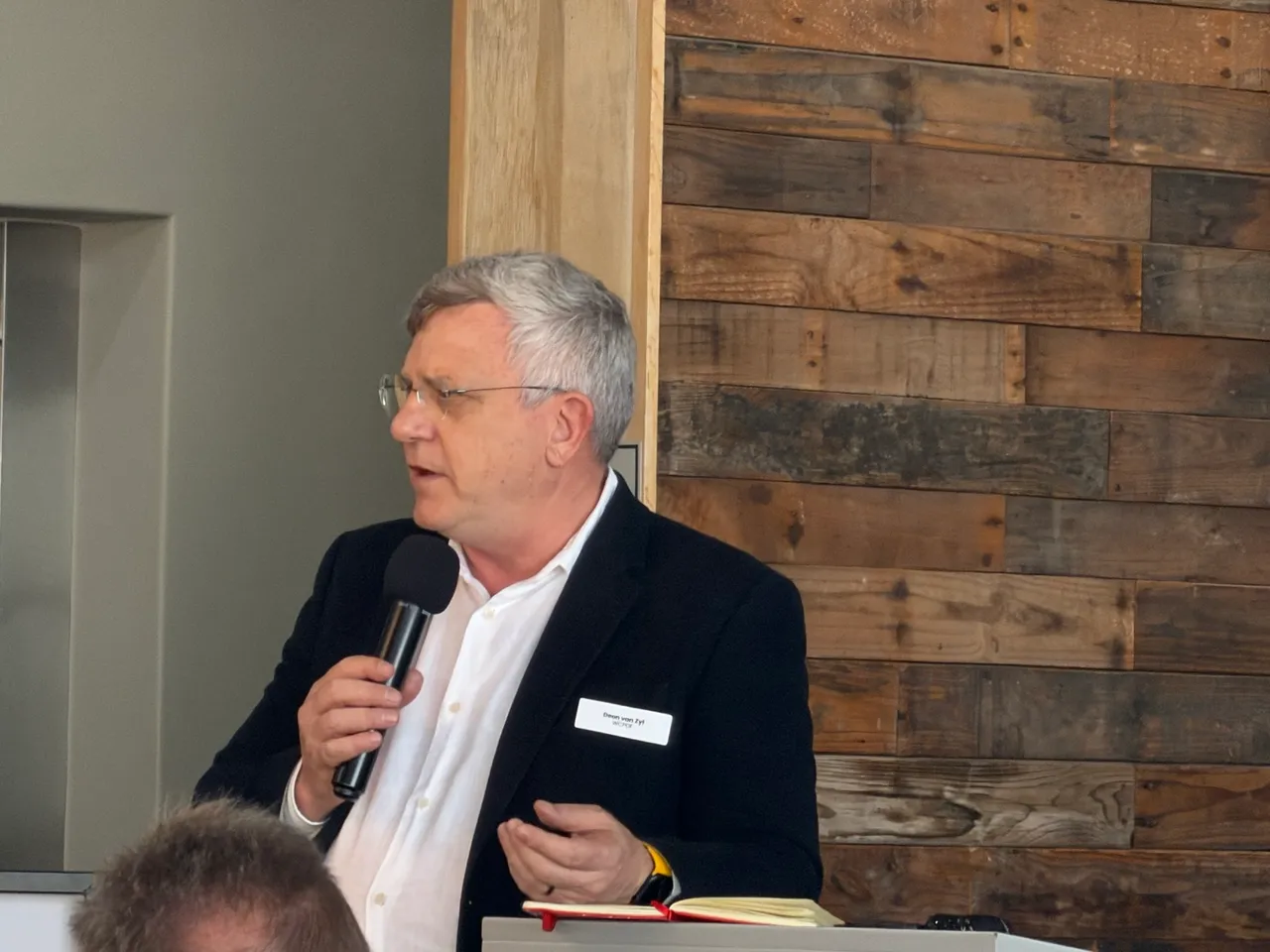
Van Zyl challenged property developers, investors, government officials and business leaders to move beyond reacting to growth and start actively shaping the Western Cape’s economic future.
His argument was clear: political stability alone will not deliver investment. The province needs a compelling long-term vision, supported by practical reforms that make development easier, faster and more commercially viable.
1. Post-election stability creates an investment opportunity
Van Zyl believes the changing political environment presents a significant opportunity for the Western Cape.
While several South African metropolitan municipalities face coalition uncertainty, he highlighted the relative political stability across Cape Town and neighbouring municipalities, including Stellenbosch, Drakenstein and Swartland.
This provides an opportunity for greater alignment between local municipalities, the provincial government and private-sector investors.
He argued that the region has a limited window to accelerate development, strengthen infrastructure and attract investment. However, he warned against relying on government alone to determine the province’s future.
The private sector must become more actively involved in shaping development priorities, identifying growth corridors and promoting investment-friendly policies.
The investment implication: Political stability could support long-term capital commitments, but only if it translates into predictable approvals, infrastructure delivery and coordinated economic planning.
2. International interest is rising, but so is competition
Cape Town’s international profile continues to attract attention from property investors, businesses and people seeking lifestyle and economic opportunities.
Van Zyl highlighted interest from Europe, the United States and the United Arab Emirates, particularly in established luxury residential areas such as Clifton and Camps Bay.
However, he cautioned that international demand represents only part of the Western Cape’s growth story. Domestic migration from other South African provinces is also increasing pressure on housing, infrastructure and public services.
At the same time, Cape Town and the Western Cape face growing competition from other African investment destinations. Van Zyl pointed to Kenya and other emerging markets as examples of economies increasingly competing for international investment, technology businesses and skilled professionals.
He believes the Western Cape must develop a stronger economic proposition built around:
- International universities, education and research.
- Medical innovation and pharmaceutical industries.
- Technology, data centres and digital infrastructure.
- Manufacturing, logistics and industrial development.
- Airports, ports and regional connectivity.
Rather than relying primarily on lifestyle advantages, the province needs to demonstrate why international businesses and investors should establish a long-term presence.
3. Housing affordability could become the biggest challenge
Despite growing demand, Van Zyl identified affordability as one of the Western Cape’s most serious emerging risks. As property prices, land costs and development expenses increase, access to well-located housing becomes progressively more difficult for middle-income and lower-income households.
He warned that the province faces pressure from both ends of the market: wealthy international buyers and growing numbers of people relocating in search of employment and better opportunities. Meanwhile, the middle class faces increasing affordability constraints.
The challenge is compounded by limited developable land, environmental considerations and the cost of expanding infrastructure. Van Zyl called for greater innovation in housing delivery, including prefabricated construction, alternative building systems and more efficient use of existing urban land.
He also questioned why brownfield redevelopment often remains more complicated and expensive than greenfield development, despite government policies supporting densification.
For investors and developers, the message is significant: Future opportunities will increasingly depend on delivering affordable, well-located housing efficiently rather than relying solely on rising property values.
4. Densification must become an economic strategy
Van Zyl challenged the conventional perception that densification simply means constructing taller apartment buildings. Instead, he described densification as using existing urban land more productively.
He highlighted several potential opportunities:
- Additional residential units: Allowing second and third dwellings on suitable residential properties.
- Subdivision and consolidation: Unlocking development potential within established suburbs.
- Infill development: Identifying underutilised land for appropriate residential development.
- Institutional land: Exploring opportunities for housing on suitable surplus school or institutional property.
- Mixed-use development: Creating neighbourhoods where residents can live closer to employment and services.
He welcomed the City of Cape Town’s provision for additional dwellings but argued that further reform could help owners unlock more value through subdivision and separate ownership.
Densification, he stressed, must also be supported by transport planning, infrastructure investment and better connections between economic nodes.
5. City of Cape Town’s development reforms offer hope
One of the most encouraging developments highlighted by Van Zyl was a shift in the City of Cape Town’s approach to property development.
He described increasing recognition within the municipality that new development is essential to expanding the city’s rates base and supporting its long-term financial sustainability. A proposed initiative, referred to during the presentation as District Nine, could introduce a dedicated multidisciplinary team to accelerate major development applications.
According to Van Zyl’s understanding, the proposed structure could include approximately 42 officials, incorporating engineering and planning expertise, with a potential focus on projects exceeding R50 million.
The objective would be to improve coordination and shorten the time between development proposals, land-use approvals and construction. However, Van Zyl emphasised that the detailed arrangements were still awaited.
He also warned against creating a two-tier approval system in which major developers benefit from faster decisions while smaller projects continue facing delays. The reform’s ultimate success will depend on whether it produces measurable improvements across the wider development sector.
6. Stellenbosch and the Winelands face growing pressure
During the subsequent discussion, Van Zyl identified Stellenbosch as an example of a high-growth municipality confronting difficult development choices.
The town’s university, established wealth, tourism industry and growing residential demand create substantial investment potential. However, he questioned whether its infrastructure, transport systems and planning frameworks have kept pace. Van Zyl argued that Stellenbosch needs stronger coordination between the municipality, university, business community and residents.
He welcomed additional planning and engineering capacity within the municipality but suggested that more fundamental changes are necessary.
His broader argument was that Stellenbosch should determine its future economic identity rather than simply react to development applications.
Potential growth sectors include technology, research, education, innovation and associated commercial and residential development. The same strategic approach, he suggested, should extend across the broader Cape economic region.
7. Infrastructure and transport must support regional growth
Van Zyl called for a shift away from development planning that concentrates economic activity and transport movement around central Cape Town.
He argued that the metropolitan region needs multiple economic centres, supported by stronger road and public transport connections. Rather than continually expanding existing commuter routes, the region should encourage employment, housing and services across several well-connected nodes.
He also highlighted the potential economic roles of Paarl, Malmesbury, Worcester and Saldanha. Worcester, for example, could become a stronger logistics and distribution centre, while Saldanha’s port infrastructure presents opportunities for industrial expansion.
The broader message was that the Western Cape should plan its infrastructure as an interconnected economic region, rather than as individual municipalities competing for development.
8. Red tape remains a major threat to investment
Perhaps Van Zyl’s strongest criticism concerned the time and uncertainty associated with property development approvals.
He referred to research undertaken with the University of Cape Town examining statutory approval processes, which indicated that developers can face timelines extending three to five years.
For investors, these delays create considerable financial exposure. Landholding costs accumulate, construction prices change and market demand can shift before a project reaches implementation. Van Zyl argued that the province must reconsider how planning, environmental and building regulations interact.
He also urged the property industry to engage more constructively with government, recognise officials who deliver improvements and challenge persistent underperformance. The priority is not simply reducing regulation, but creating a more efficient, accountable and predictable development environment.
Cape Town must turn investment interest into growth
Van Zyl’s presentation offered both an optimistic investment outlook and a warning.
The Western Cape has important competitive advantages: relative political stability, strong lifestyle appeal, established property markets, universities, growing international interest and significant opportunities in technology, logistics and development.
But these advantages cannot compensate indefinitely for slow approvals, rising housing costs and inadequate infrastructure planning.
For property investors, the next phase of opportunity may increasingly lie in well-located densification, affordable housing, emerging regional nodes, logistics infrastructure and developments aligned with long-term economic demand.
For government, the challenge is to translate political stability into practical development reform. And for the private sector, Van Zyl’s message was to stop waiting for government to provide every answer.
The Western Cape needs a shared growth vision extending towards 2050, with clear investment priorities, infrastructure commitments and a willingness to challenge established ways of doing business.
The question is no longer whether Cape Town and the Western Cape will grow. It is whether that growth will be strategically planned, economically inclusive and sustainable or constrained by the very systems meant to manage it.