









5 Renovation mistakes that could cost you time and money
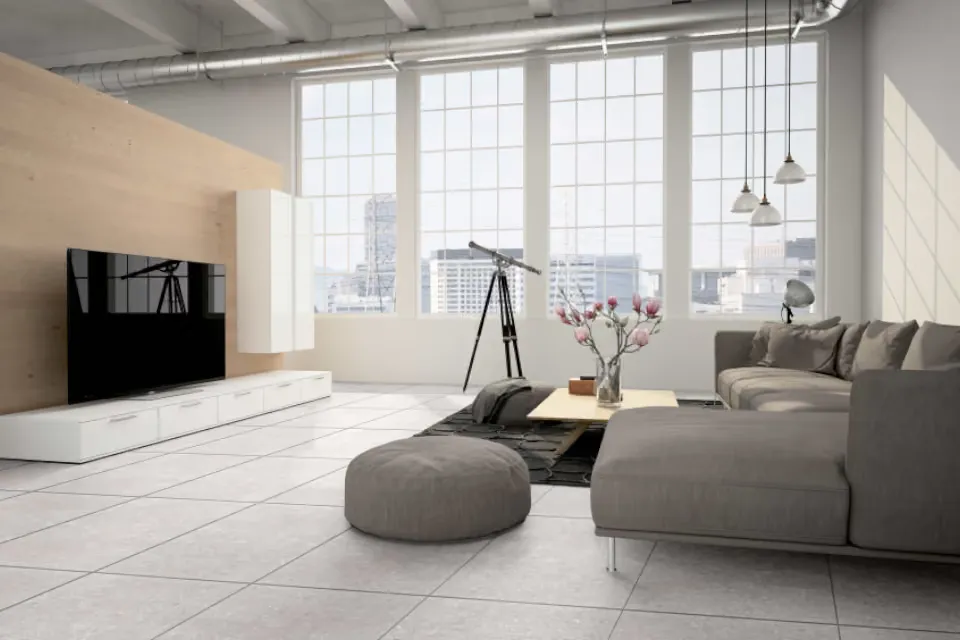
- Online inspiration can mislead: Tiles and finishes often look dramatically different once exposed to your home's actual light and surroundings.
- Budget beyond what you can see: Preparation, levelling and unexpected repairs can quickly push renovation costs beyond the original estimate.
- Plan backwards from completion: Product lead times, contractors, preparation, weather and builders' holidays can all derail an unrealistic deadline.
From choosing finishes online to underestimating preparation costs, seemingly small renovation decisions can create expensive problems later.
Renovation inspiration is everywhere. Planning is another matter
The mood boards are saved, the Pinterest boards are full and the tiles have been shortlisted. But some of the decisions that ultimately determine whether a renovation succeeds are the ones homeowners don't consider until work is already underway.
Renovating a home can improve its functionality, lifestyle appeal and potentially its value, but getting the finishes right is only one part of the equation. Poor planning can result in budget overruns, delays or design choices that don't perform as expected in the real world.
According to Sven Swart, CEO of Tiletoria, the same mistakes repeatedly emerge when homeowners plan renovations — and most have surprisingly little to do with personal taste.
“People are better informed than ever because there’s so much inspiration available online,” says Swart. “The problem is that Instagram, TikTok and Pinterest can show you what looks good, but they don’t always tell you what you need to know before you put it in your home.”
With South Africa's December builders' break approaching, timing becomes another important consideration. Building conditions also differ across the country according to regional weather patterns. The common denominator is planning before committing.
Here are five mistakes homeowners should avoid.
1. Choosing a tile based on how it looks somewhere else
The mistake
That perfect tile on Pinterest, Instagram or a showroom wall isn't necessarily going to look the same in your home.
Light has an enormous influence on how colour, texture and surface finishes appear. Natural light, its direction, the dimensions of the room and surrounding colours can all change the way a tile looks.
A finish that appears warm and sophisticated under showroom lighting could feel cold or dark once installed at home.
What to do instead
Don't make the final decision from a photograph or showroom display alone.
Take samples home and place them in the actual room. Look at them at different times of the day and alongside the finishes, cabinetry, walls and furniture they will ultimately complement.
Investor takeaway: When renovating an investment property, consider the appeal of finishes to your target tenant or buyer rather than choosing exclusively according to personal taste.
2. Choosing outdoor tiles for the weather you wish you had
The mistake
It's easy to imagine a patio or pool area on a perfect South African summer afternoon. Outdoor surfaces, however, need to perform when conditions aren't perfect.
Rain, moisture and changing weather conditions can alter how safe a surface is underfoot. That makes practical considerations such as slip resistance particularly important around pools, patios and other exposed areas. The prettiest option isn't necessarily the most appropriate one.
What to do instead
Think about the worst conditions the surface will face, not just the best. Consider where water is likely to accumulate and how the surface will perform after rain or during colder and wetter periods.
An outdoor surface should work just as effectively on a wet winter morning as it does on a sunny summer afternoon.
3. Budgeting for the tile but forgetting what's underneath
The mistake
This is where an apparently straightforward renovation can become expensive.
Homeowners naturally focus on the cost of what they can see, tiles, finishes and fittings, but there can be considerable work required before those finishes are installed.
Existing floors may require levelling or preparation. Removing old materials can expose problems that weren't visible before construction started, particularly in older properties.
If the budget only covers the finished product, unexpected preparation costs can quickly undermine it.
What to do instead
Budget for the complete installation, not merely the purchase price of the finish. Before starting, establish what preparation is likely to be required and recognise that opening up an existing property can expose additional work.
A realistic renovation budget needs room for the things you can't see on the mood board.
4. Renovating for this year's trend
The mistake
Social media has accelerated interior design trends, but a tiled floor or bathroom is a far bigger commitment than changing cushions, furniture or a paint colour. What's fashionable today can date a property surprisingly quickly.
For homeowners, that could mean living with a design they tire of. For investors preparing a property for rental or resale, an overly personalised trend could also narrow its appeal.
Swart suggests asking a deceptively simple question: “The question I’d ask is whether you like the tile, or whether you like the room you’ve just seen it in online. Those aren’t always the same thing.”
What to do instead
Separate personal preference from online influence. If you love a particularly bold trend, consider limiting it to a feature area rather than using it throughout an entire room or property.
Timeless doesn't have to mean boring. The objective is to create a space that still feels considered after today's social-media trend has disappeared.
5. Planning around the finish date instead of the full timeline
The mistake
“I want it finished by December” isn't a renovation programme.
Before the finished room is ready, products need to be selected and ordered, contractors booked, existing finishes removed, surfaces prepared and new materials installed.
Every one of those stages requires time. The challenge becomes even greater around South Africa's traditional December builders' break, when contractor availability and supplier timelines can tighten.
Weather also matters. Depending on the region, different seasons can provide better conditions for certain building work.
What to do instead
Start with the date by which you need the project completed and then work backwards.
Factor in product availability, delivery lead times, contractor schedules, preparation and installation, as well as the potential impact of weather and holiday shutdowns.
“Every year, we get to October and someone wants to know if they can still have everything finished before Christmas,” says Swart. “The problem is that there are a lot of decisions between choosing a tile and walking into the finished room.”
“The earlier you understand those steps, the fewer surprises you’re likely to have,” he adds.
Renovate for the property, not the Pinterest board
A successful renovation isn't defined by how closely the finished property resembles an inspiration image.
The better decisions are those that consider how the space will actually be used, what the property can accommodate, how materials will perform, what the complete project will cost and how long the work will realistically take.
For property investors, there's another consideration: every renovation should ultimately be judged against its purpose.
Is it going to improve rental appeal? Help attract or retain better tenants? Strengthen resale appeal? Reduce future maintenance? Or simply improve the owner's enjoyment of the property?
The best renovation isn't necessarily the most fashionable or expensive. It's the one that still makes sense long after the mood board has changed.